
20 products
20 products
Sort by:


From $5.00
Unit price perFrom $5.00
Unit price perEnhance your child's room with our charming curtains, crafted from soft fabric adorned with a delicate watercolor pattern of birds on a branch. These curtains fold beautifully, adding a whimsical and cozy touch to the decor.
- These curtains will be manufactured on the customer's request only and cannot be exchanged or returned.
- Deviations from the sizes to 0.5" are possible.
- Care instruction: machine wash gentle mode, no soaking, no bleaching. No dryer. Air dry only. Iron at low temperature (polyester setting) or use steam.
- Actual color may slightly vary from picture due to various display monitors and reproduction of the actual product.
From $5.00
Unit price perFrom $5.00
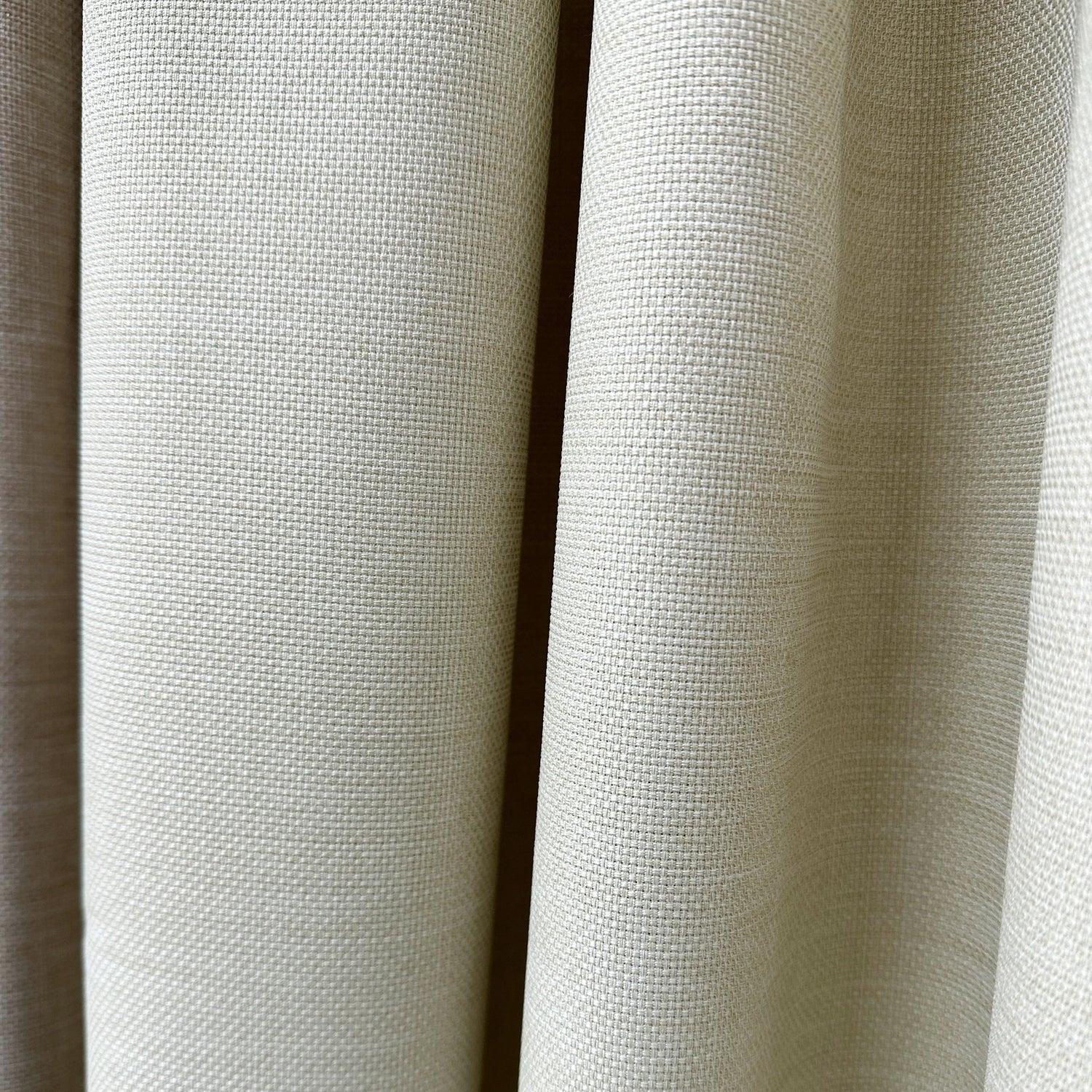
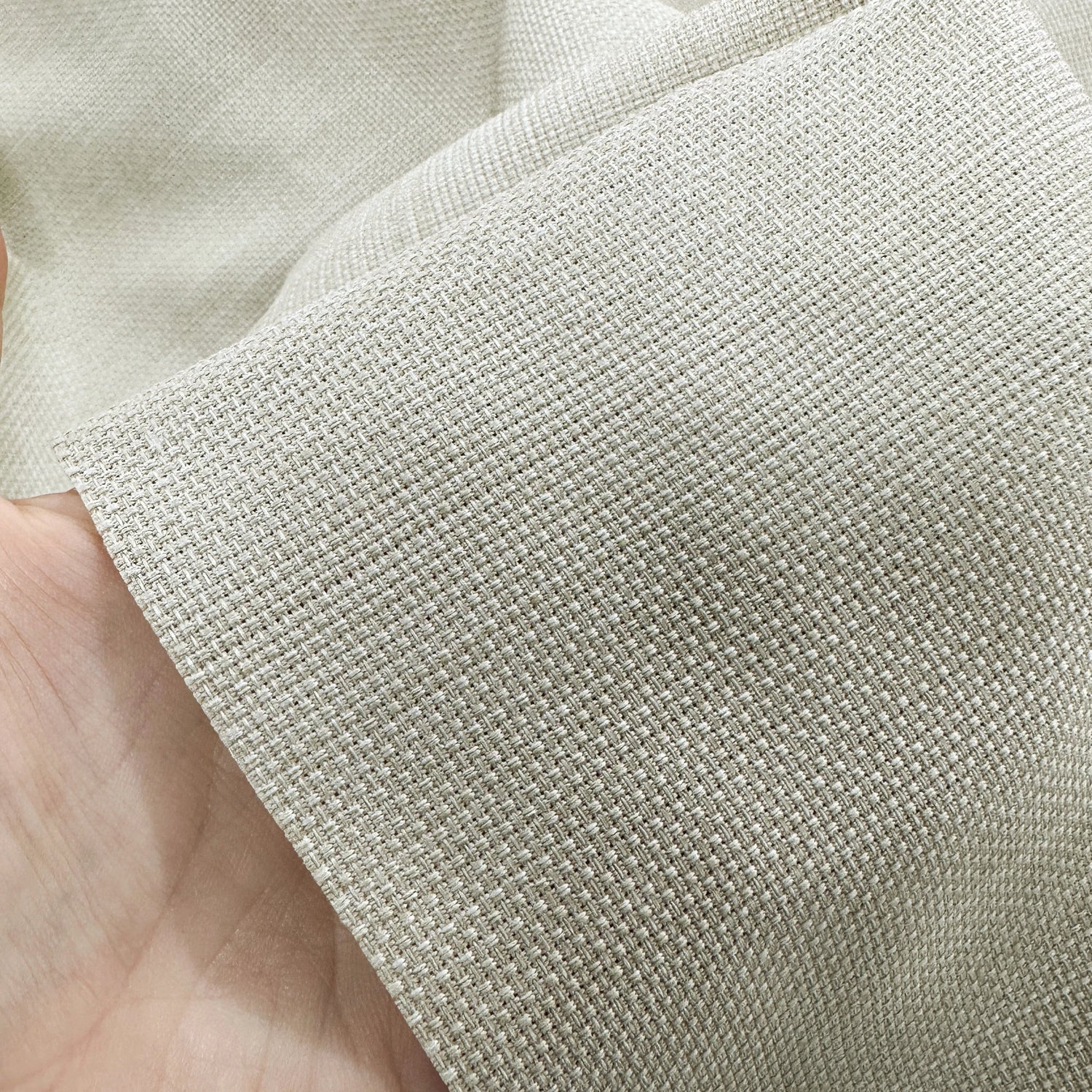
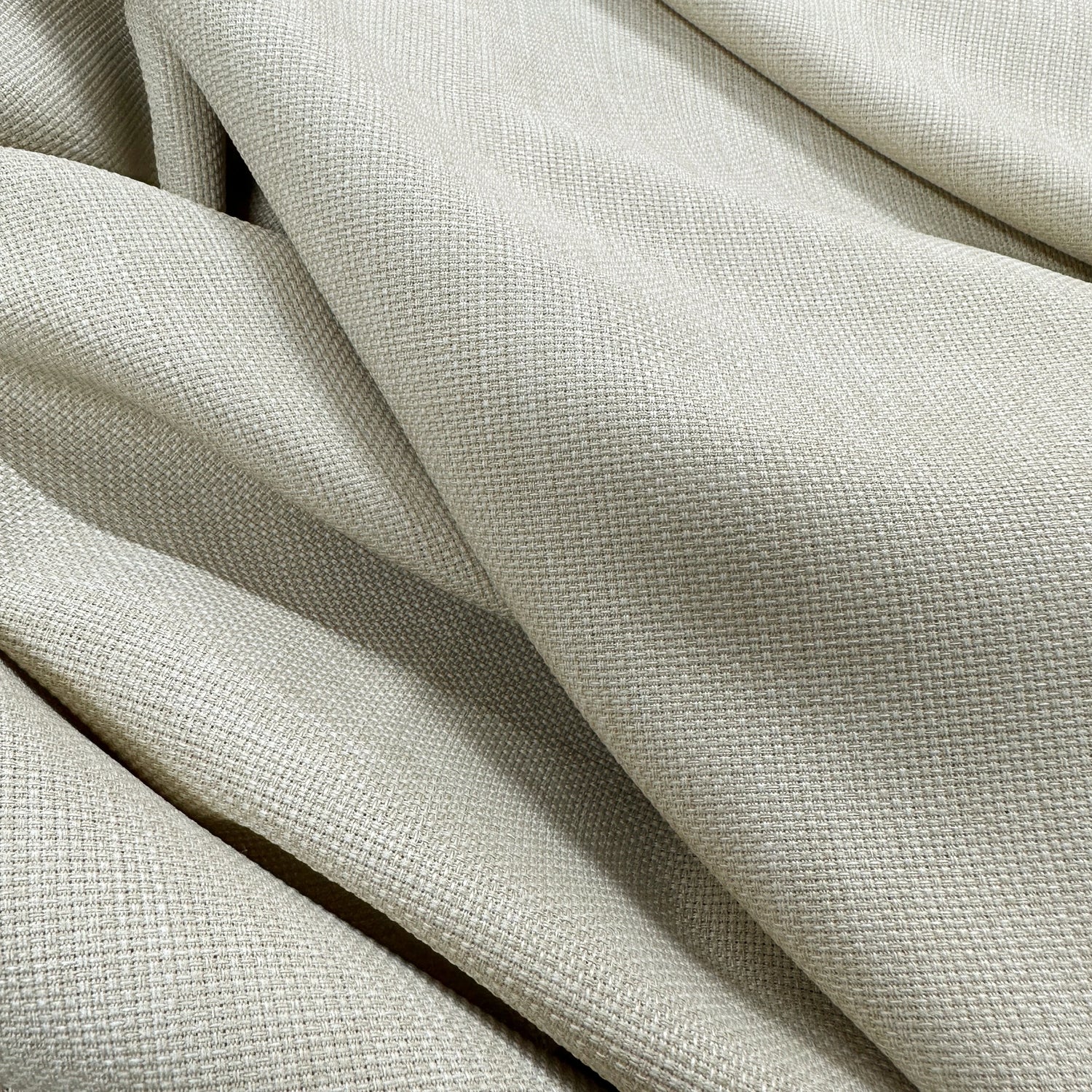
Unit price perTransform your living room or bedroom with these exquisite Rustic Farmhouse Linen Curtains. Handcrafted to perfection, these custom extra-long curtains feature a rod pocket or grommet design, allowing for easy installation and a seamless finish. Not only do these curtains enhance the aesthetic of any space, but they also offer blackout properties, providing privacy and creating a cozy ambiance.
With a blackout rate of 70%, these curtains offer the perfect balance of shading and privacy. For enhanced light control, we suggest selecting the option with lining. Elevate your home decor with these versatile window treatments that blend seamlessly with any interior style.
- These curtains will be manufactured on the customer's request only and cannot be exchanged or returned.
- Deviations from the sizes up to 0.5" are possible.
- Care instruction: machine wash on gentle mode, no soaking, no bleaching. No dryer. Air dry only. Iron at low temperature (polyester setting) or use steam.
- Actual color may slightly vary from the picture due to various display monitors and reproduction of the actual product.


With a blackout rate of 70%, these curtains offer the perfect balance of shading and privacy. For enhanced light control, we suggest selecting the option with lining. Elevate your home decor with these versatile window treatments that blend seamlessly with any interior style.
- These curtains will be manufactured on the customer's request only and cannot be exchanged or returned.
- Deviations from the sizes up to 0.5" are possible.
- Care instruction: machine wash on gentle mode, no soaking, no bleaching. No dryer. Air dry only. Iron at low temperature (polyester setting) or use steam.
- Actual color may slightly vary from the picture due to various display monitors and reproduction of the actual product.


With a blackout rate of 70%, these curtains offer the perfect balance of shading and privacy. For enhanced light control, we suggest selecting the option with lining. Elevate your home decor with these versatile window treatments that blend seamlessly with any interior style.
- These curtains will be manufactured on the customer's request only and cannot be exchanged or returned.
- Deviations from the sizes up to 0.5" are possible.
- Care instruction: machine wash on gentle mode, no soaking, no bleaching. No dryer. Air dry only. Iron at low temperature (polyester setting) or use steam.
- Actual color may slightly vary from the picture due to various display monitors and reproduction of the actual product.


With a blackout rate of 70%, these curtains offer the perfect balance of shading and privacy. For enhanced light control, we suggest selecting the option with lining. Elevate your home decor with these versatile window treatments that blend seamlessly with any interior style.
- These curtains will be manufactured on the customer's request only and cannot be exchanged or returned.
- Deviations from the sizes up to 0.5" are possible.
- Care instruction: machine wash on gentle mode, no soaking, no bleaching. No dryer. Air dry only. Iron at low temperature (polyester setting) or use steam.
- Actual color may slightly vary from the picture due to various display monitors and reproduction of the actual product.


With a blackout rate of 70%, these curtains offer the perfect balance of shading and privacy. For enhanced light control, we suggest selecting the option with lining. Elevate your home decor with these versatile window treatments that blend seamlessly with any interior style.
- These curtains will be manufactured on the customer's request only and cannot be exchanged or returned.
- Deviations from the sizes up to 0.5" are possible.
- Care instruction: machine wash on gentle mode, no soaking, no bleaching. No dryer. Air dry only. Iron at low temperature (polyester setting) or use steam.
- Actual color may slightly vary from the picture due to various display monitors and reproduction of the actual product.


From $5.00
Unit price perFrom $5.00
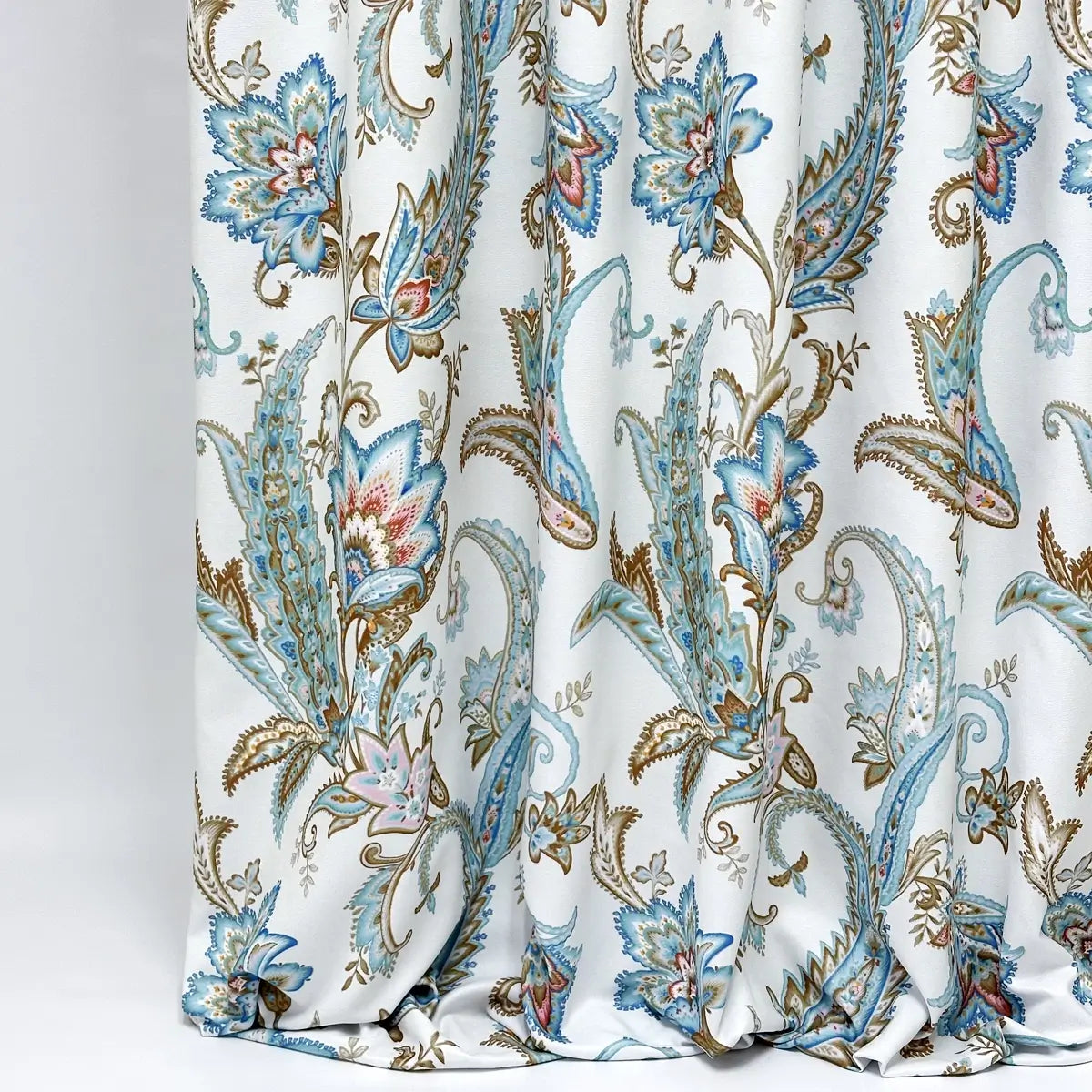
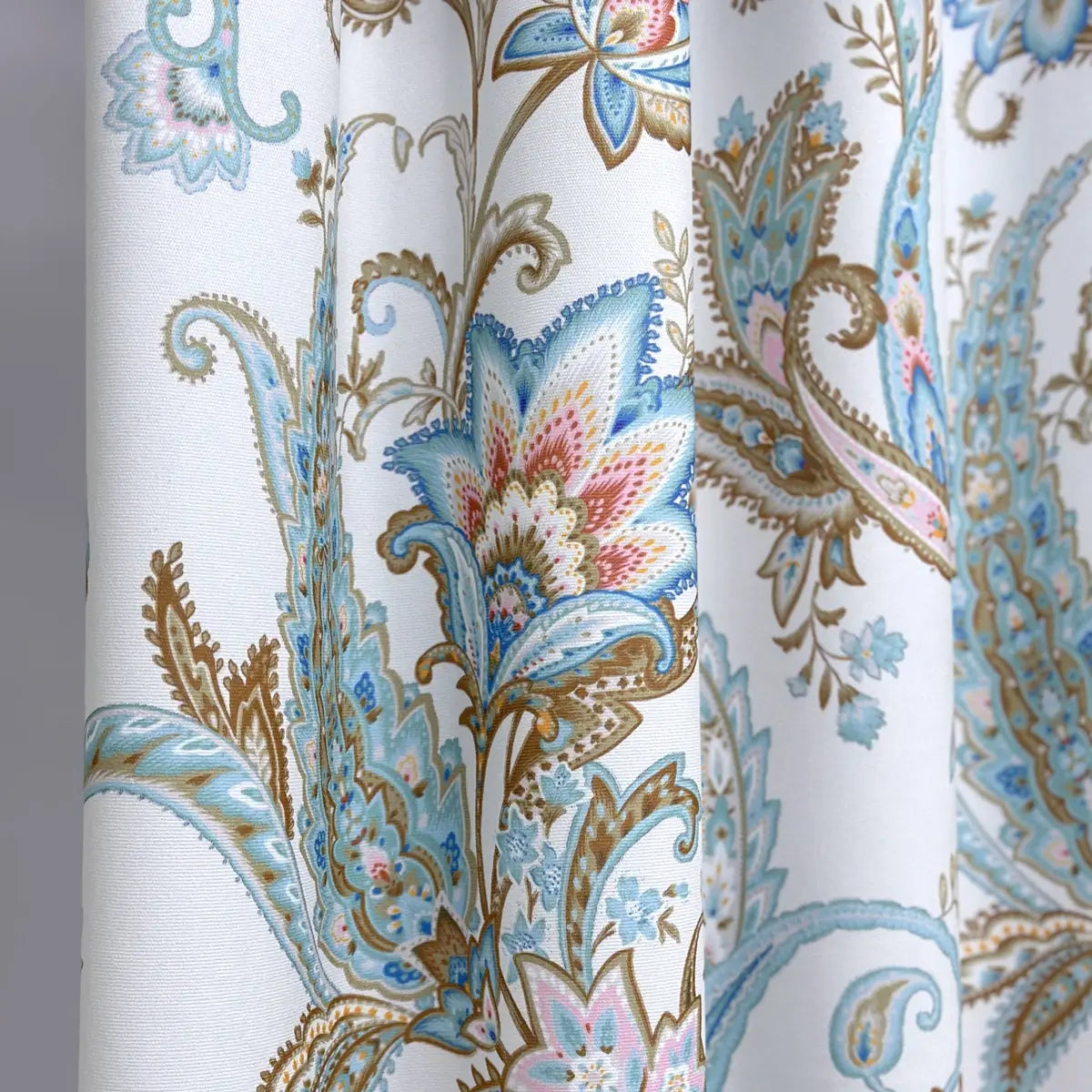
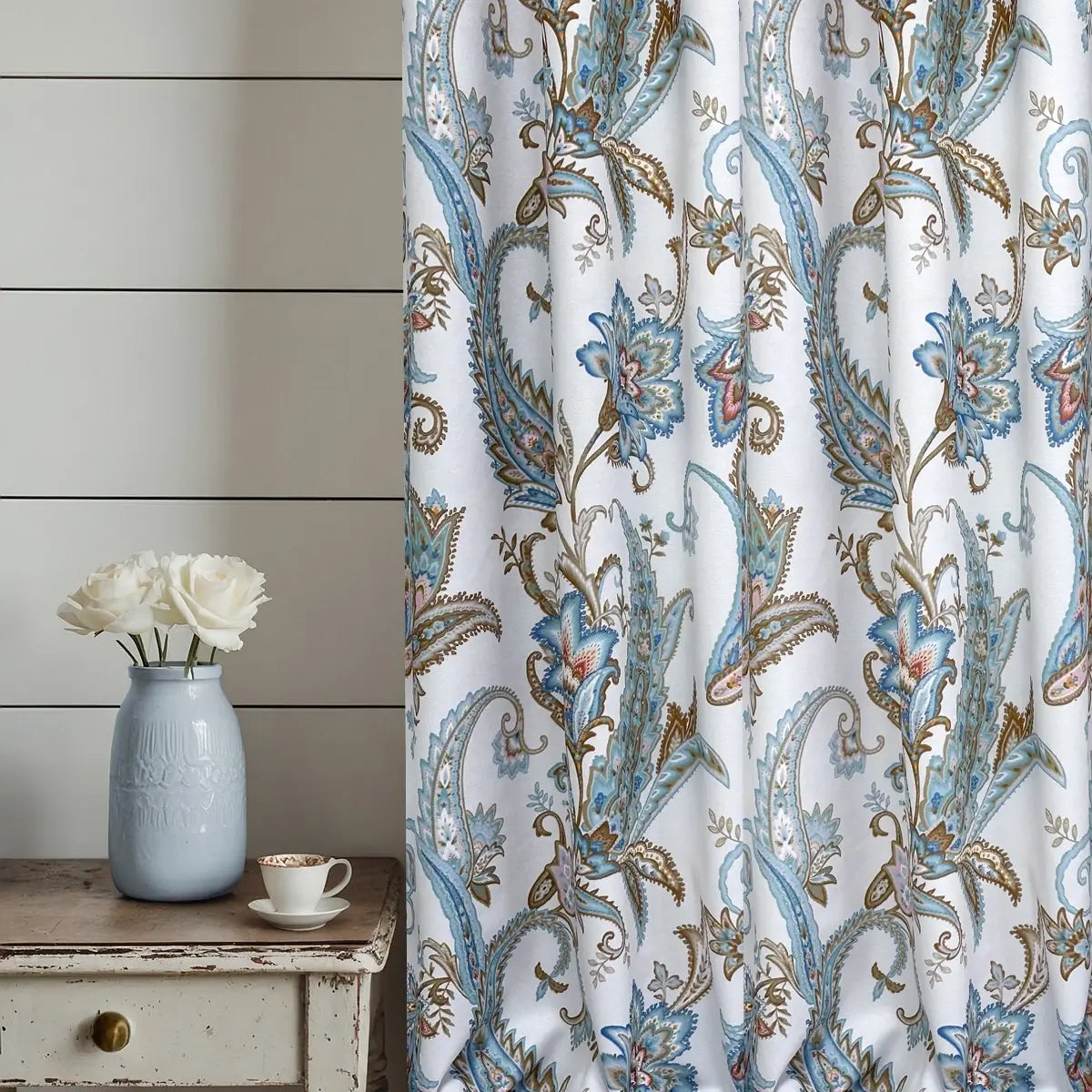
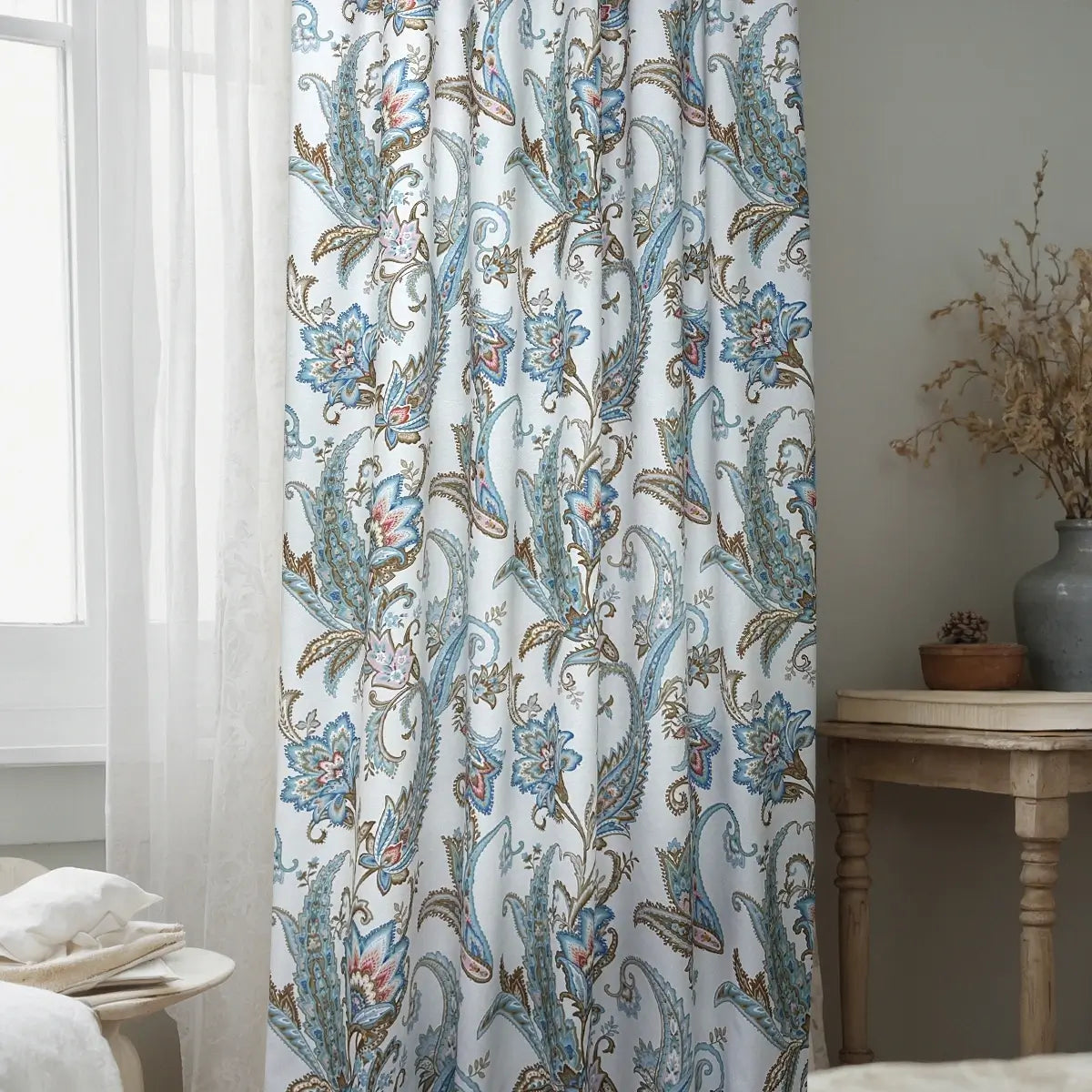
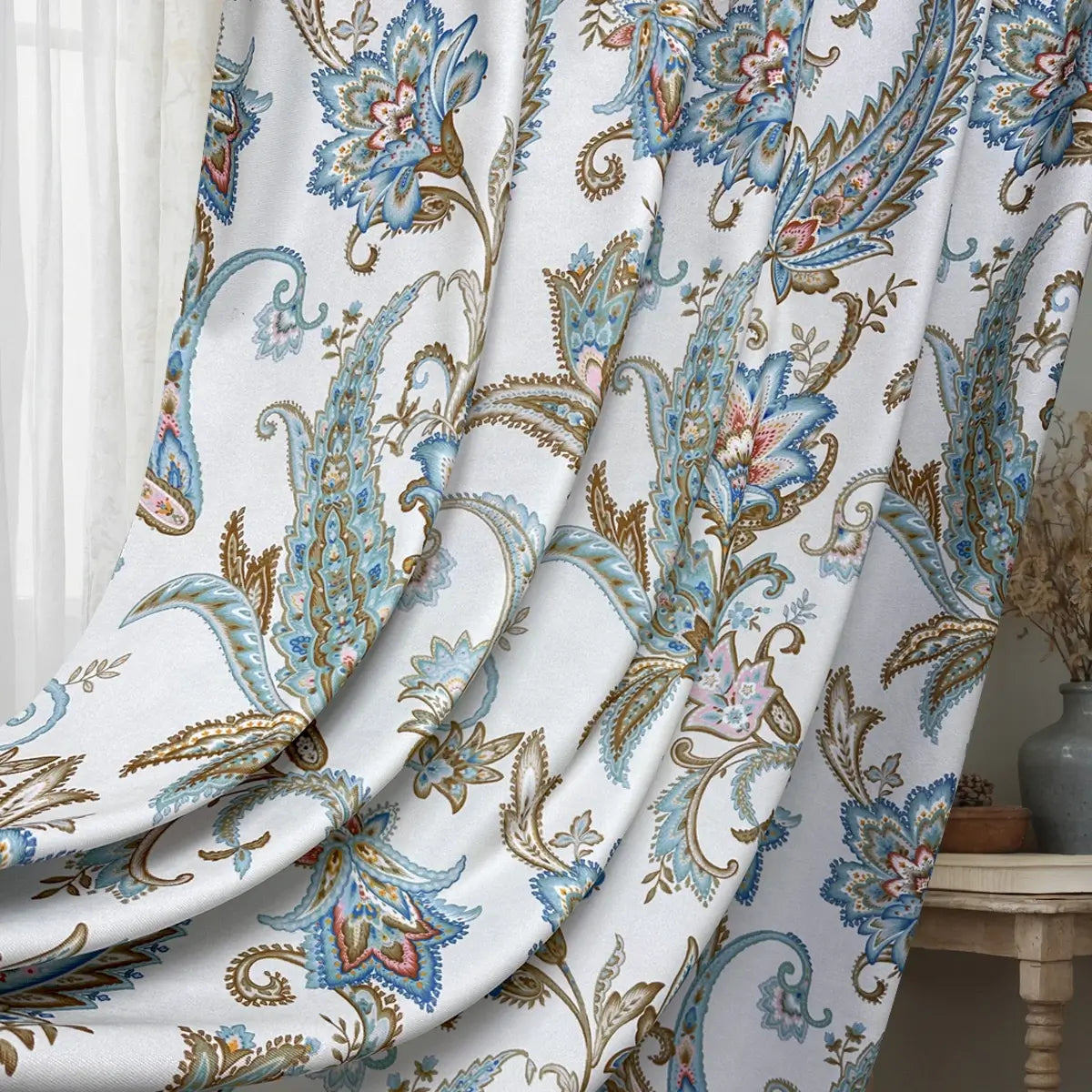
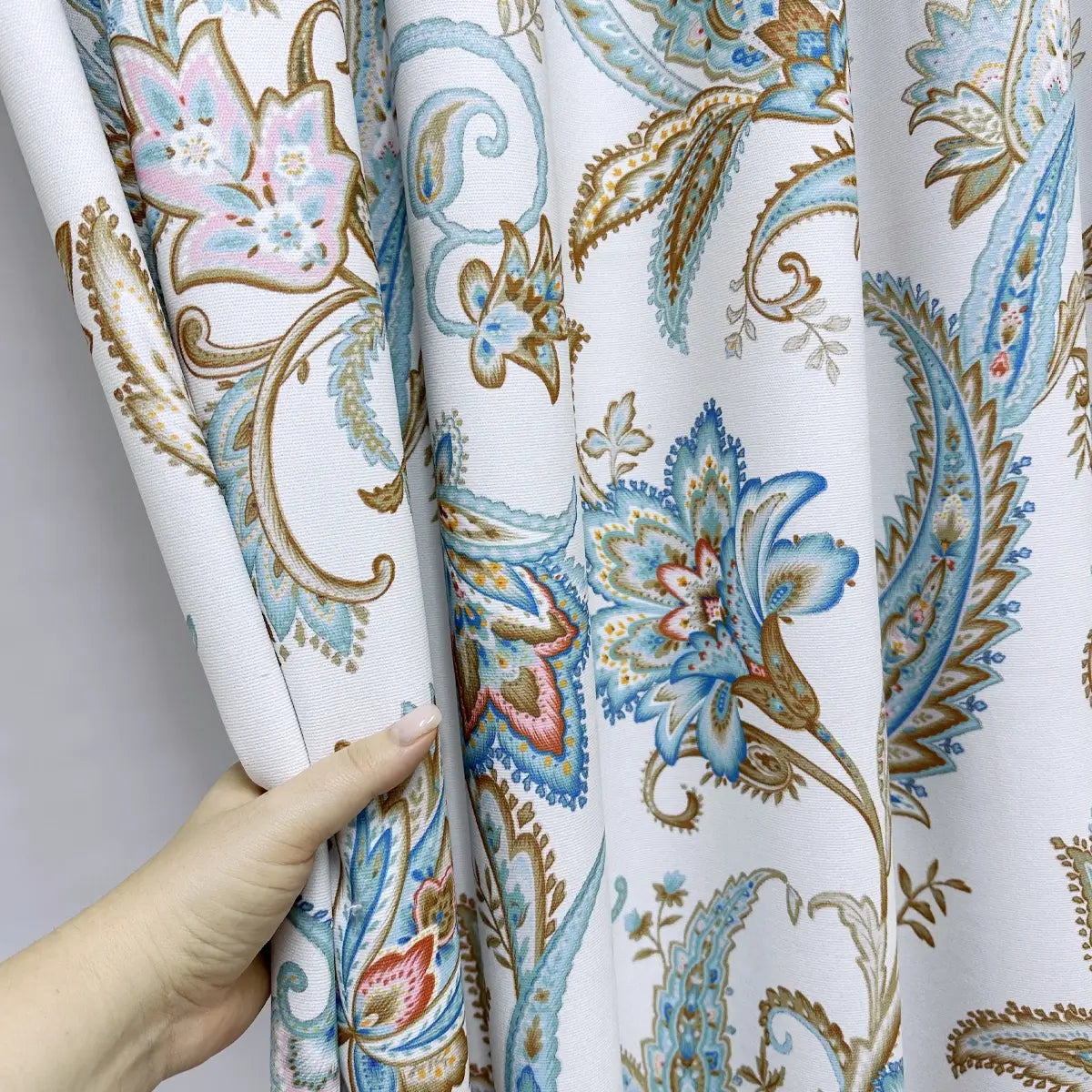
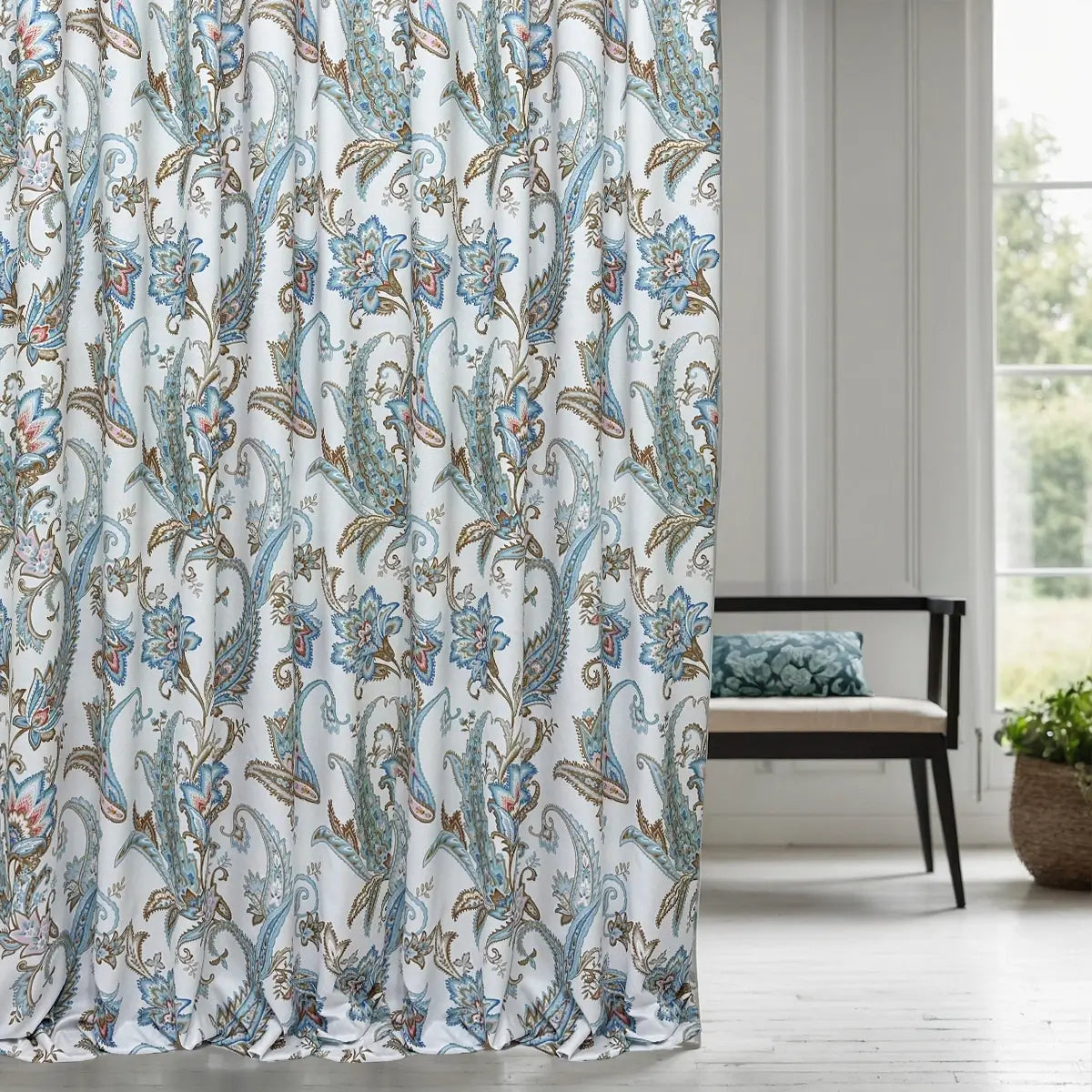
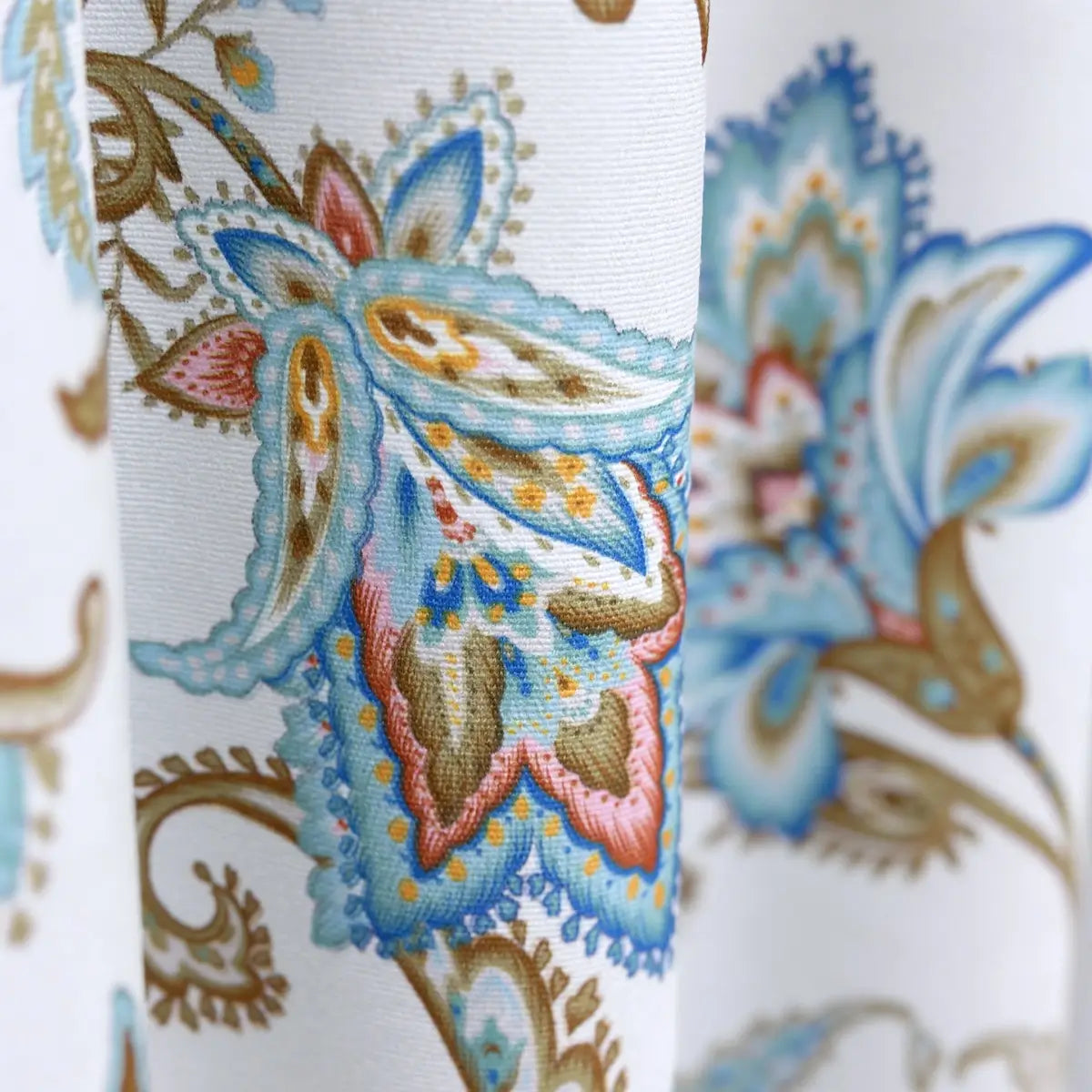
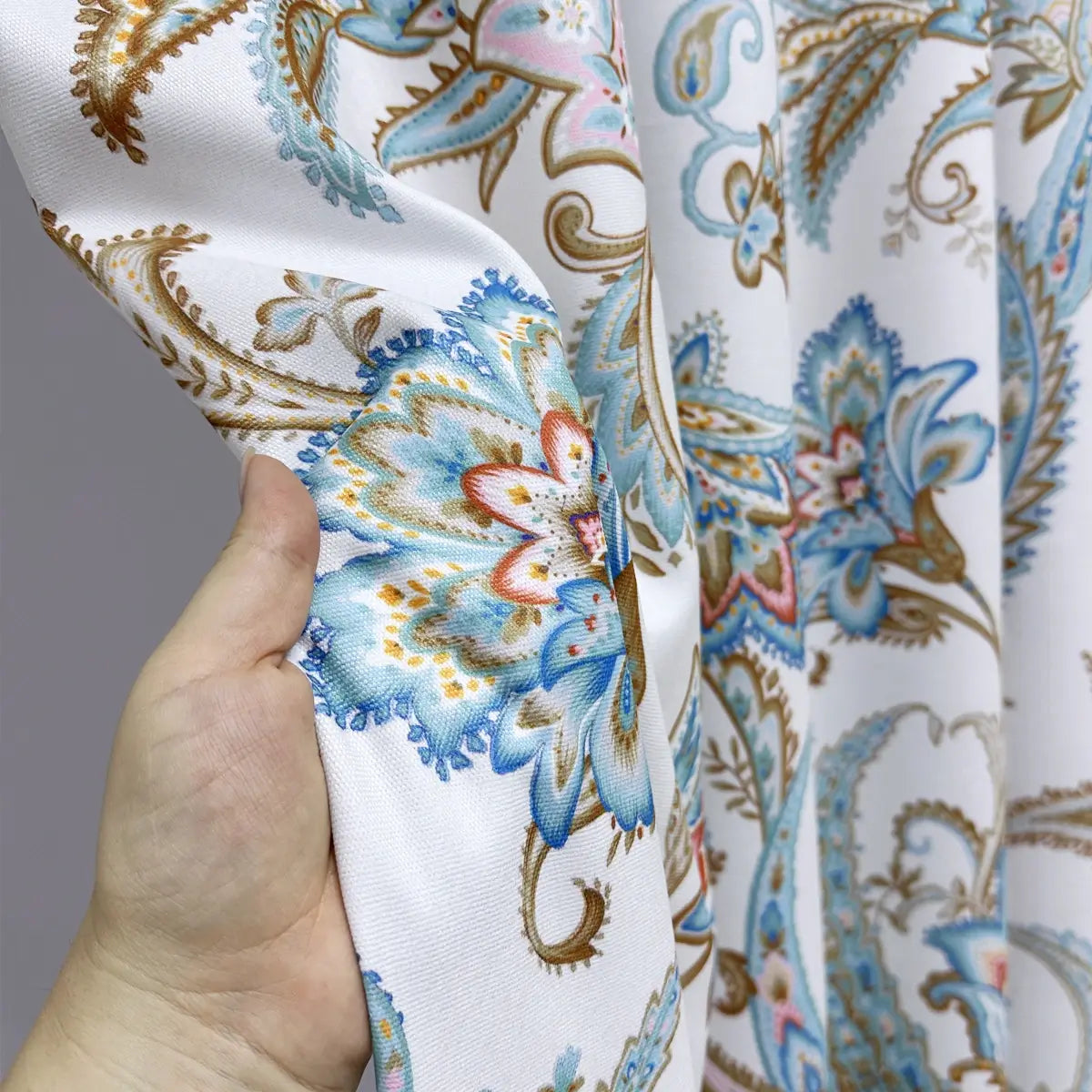
Unit price perEnhance your bedroom with a touch of vintage charm using these custom-made rod pocket curtains. The exotic floral pattern in blue and white adds a tropical vibe to your space, creating a serene and inviting atmosphere. Elevate your room decor with these unique window coverings!
Custom-made to fit your window perfectly, the soft and foldable fabric ensures a seamless drape. To achieve the best look, we recommend ordering 2-2.5 times the width of your rod measurement. With lengths available up to 106, these curtains will effortlessly enhance your room's design and bring a stylish accent to any decor. The blackout rate is 60%, but for added privacy, simply opt for additional blackout lining. Elevate your space with these beautiful and functional curtains today!
These curtains will be manufactured on the customer's request only and cannot be exchanged or returned.
- Deviations from the sizes up to 0.5" are possible.
- Care instruction: Machine wash on gentle mode, no soaking, no bleaching. No dryer. Air dry only. Iron at low temperature (polyester setting) or use steam.
- Actual color may slightly vary from the picture due to various display monitors and reproduction of the actual product.


From $5.00
Unit price perFrom $5.00
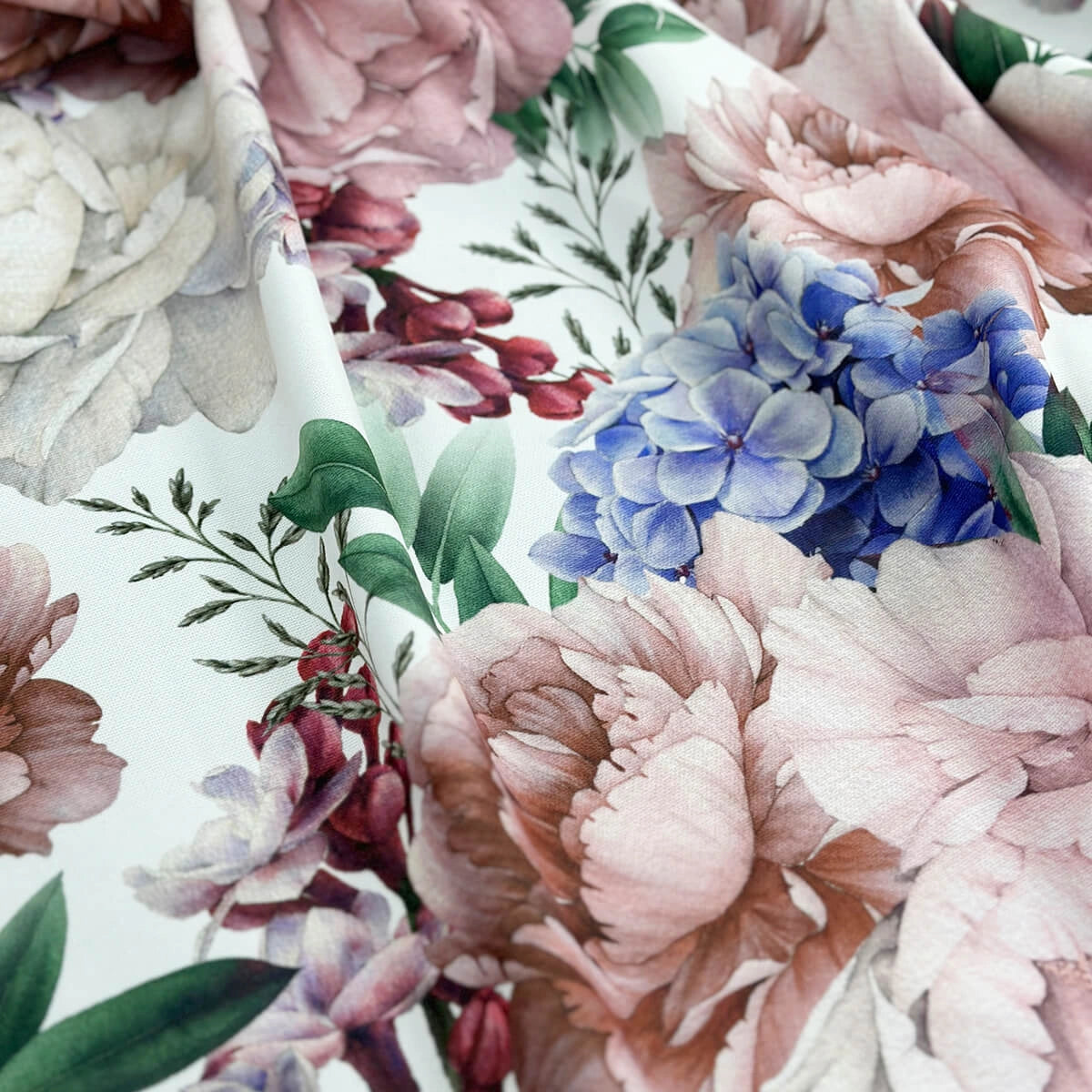
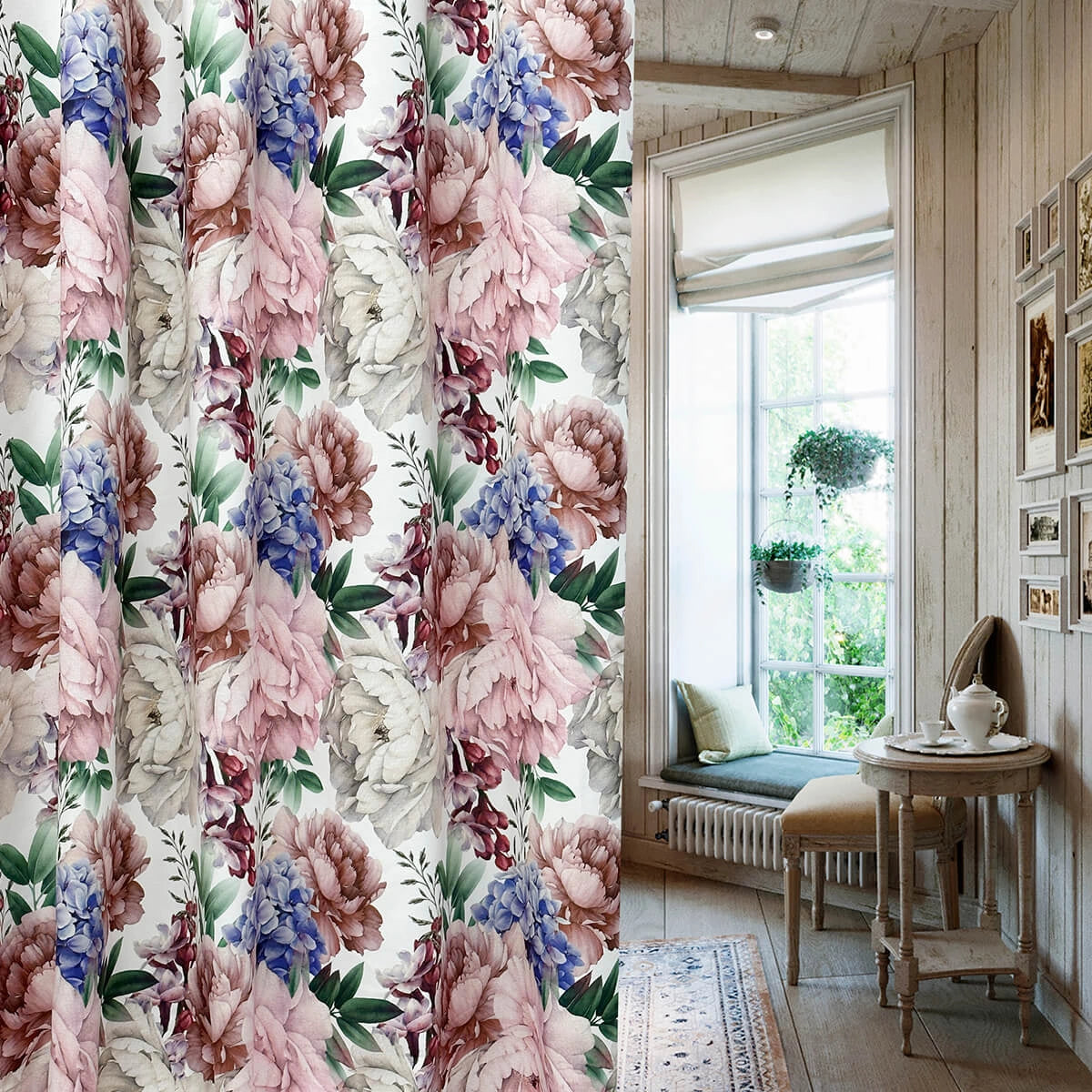
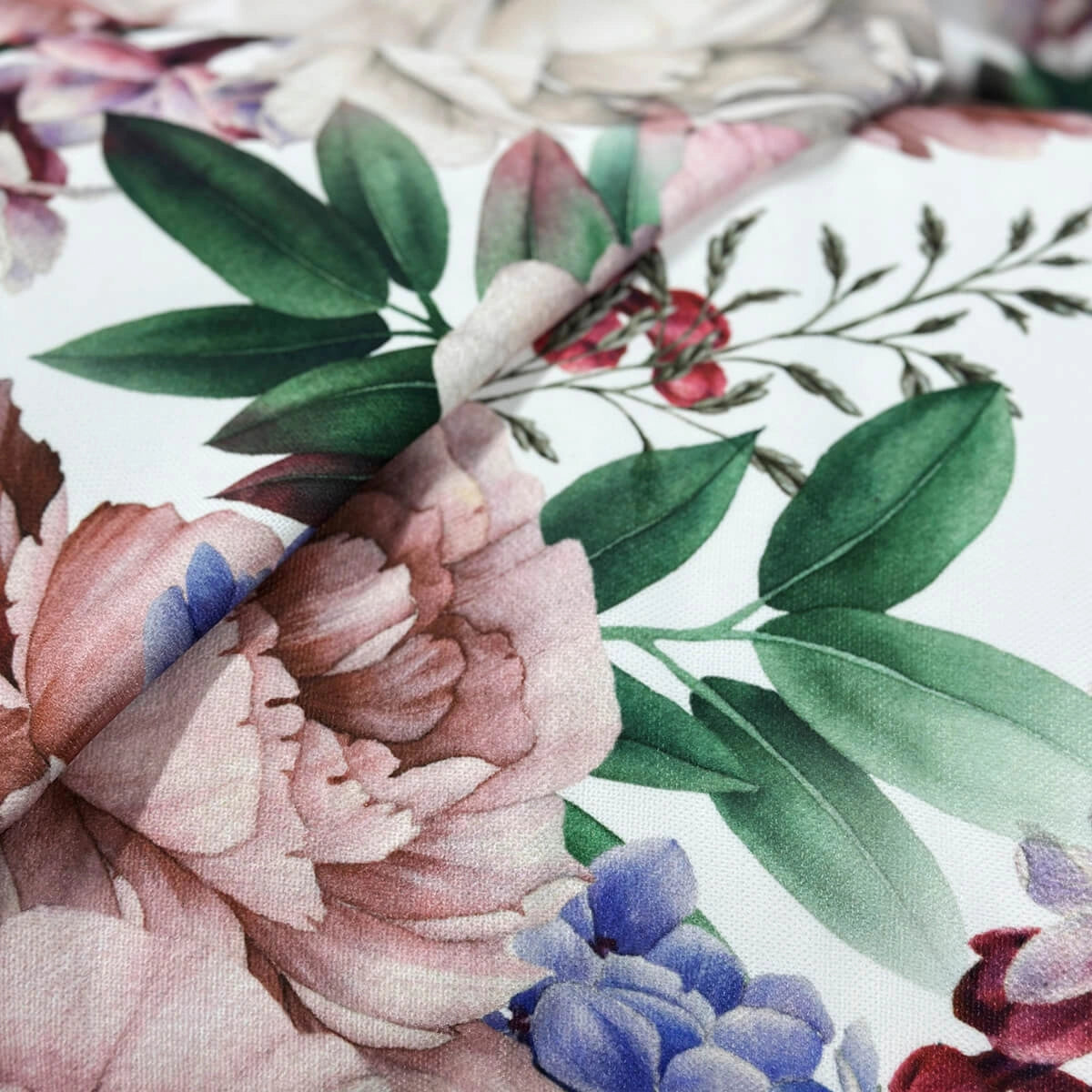
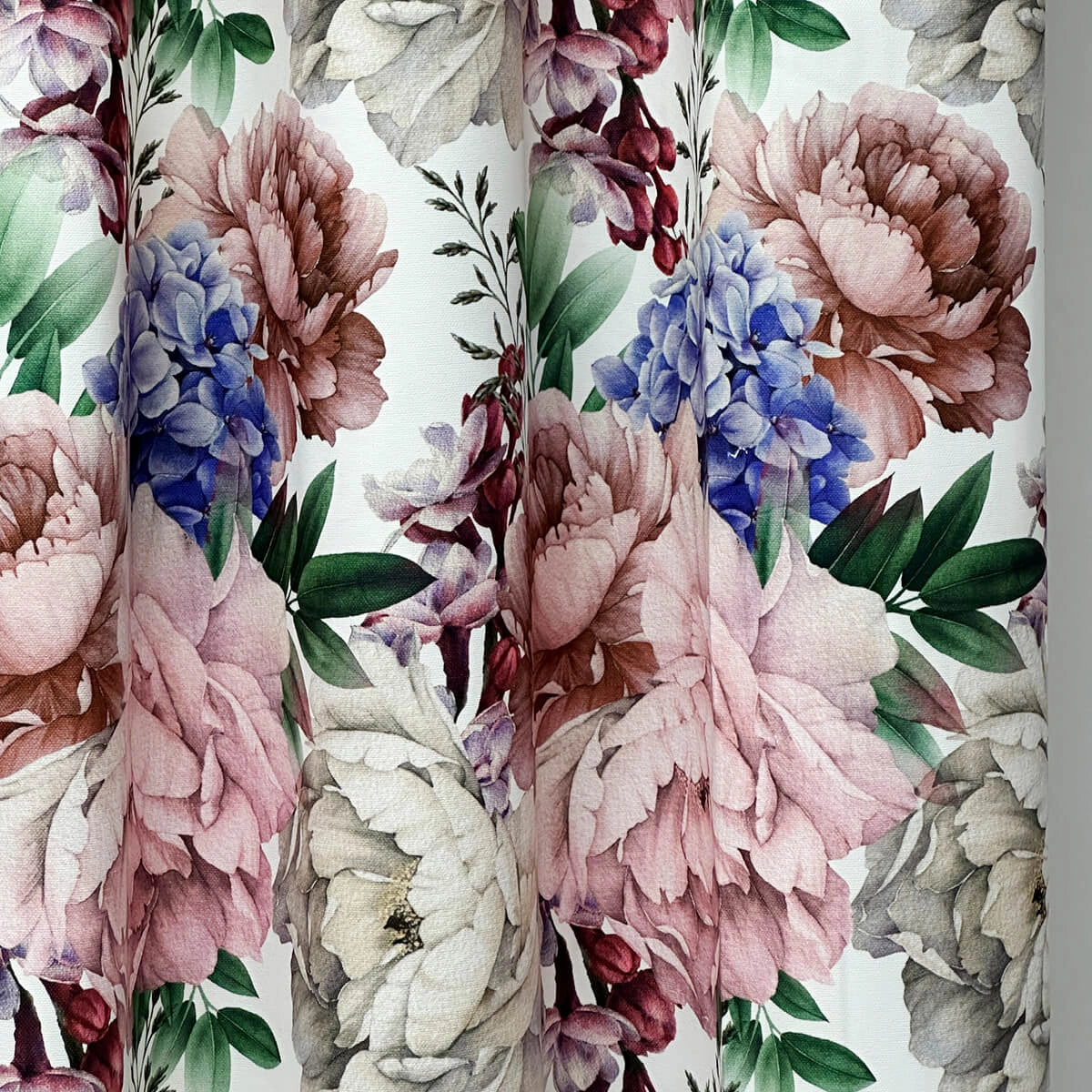
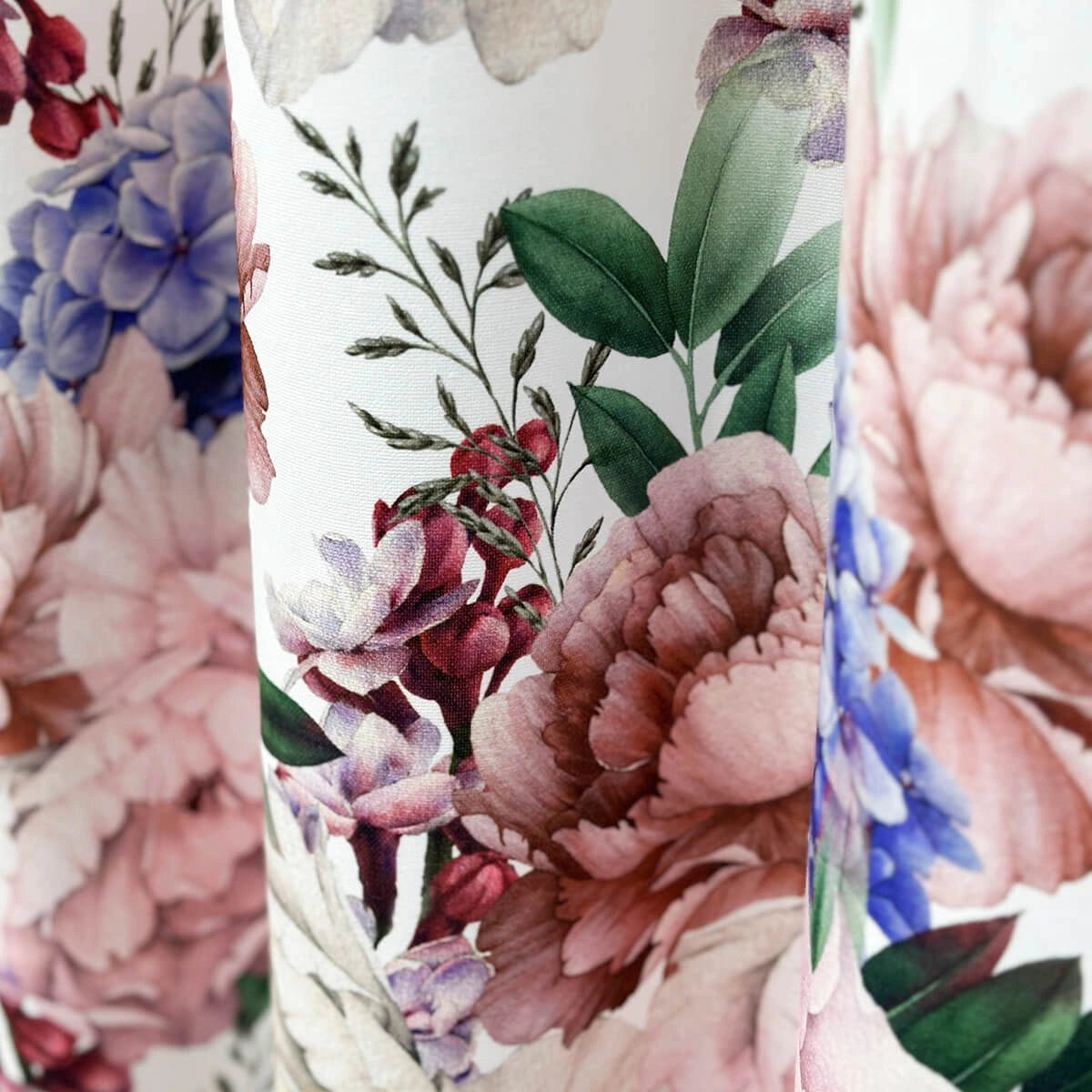
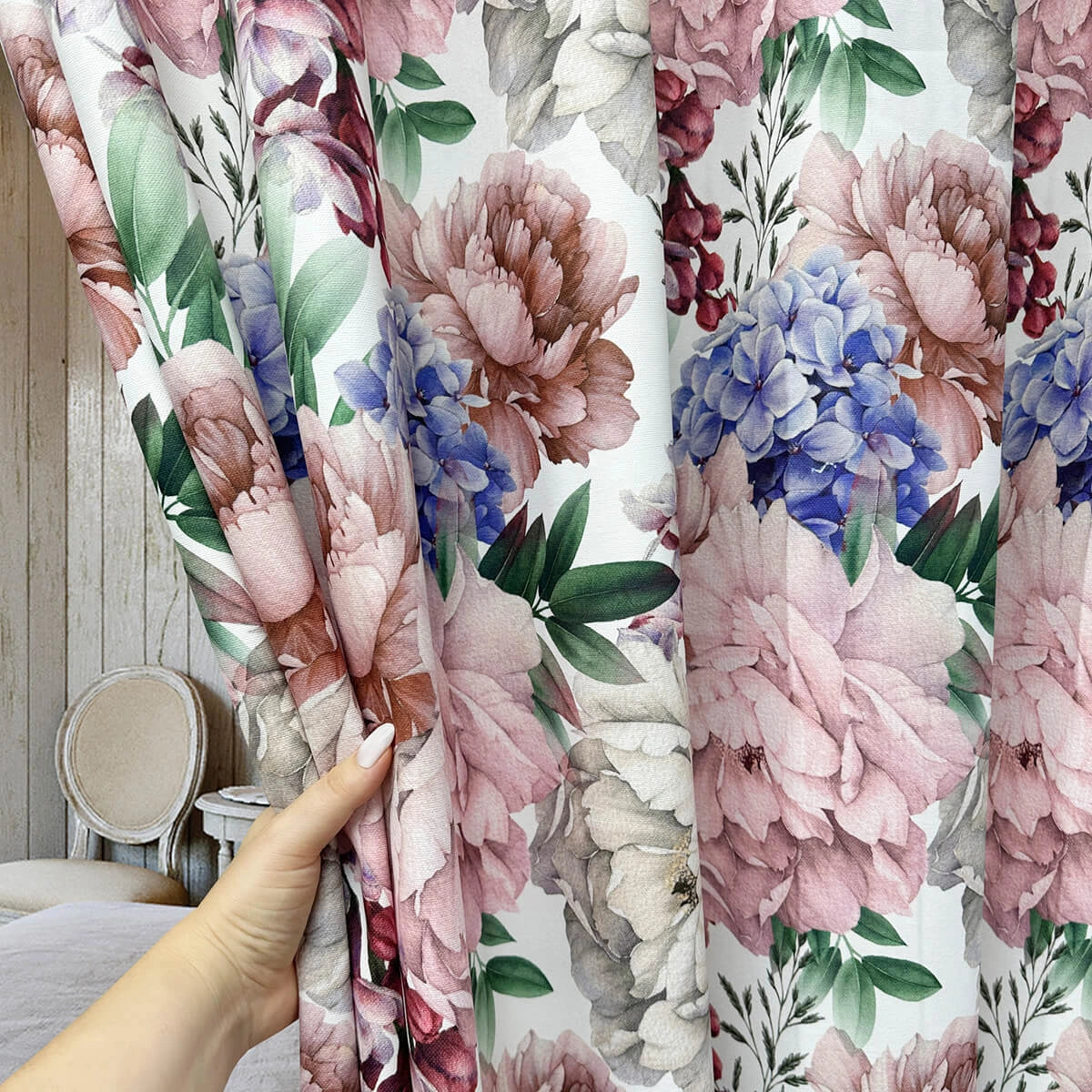
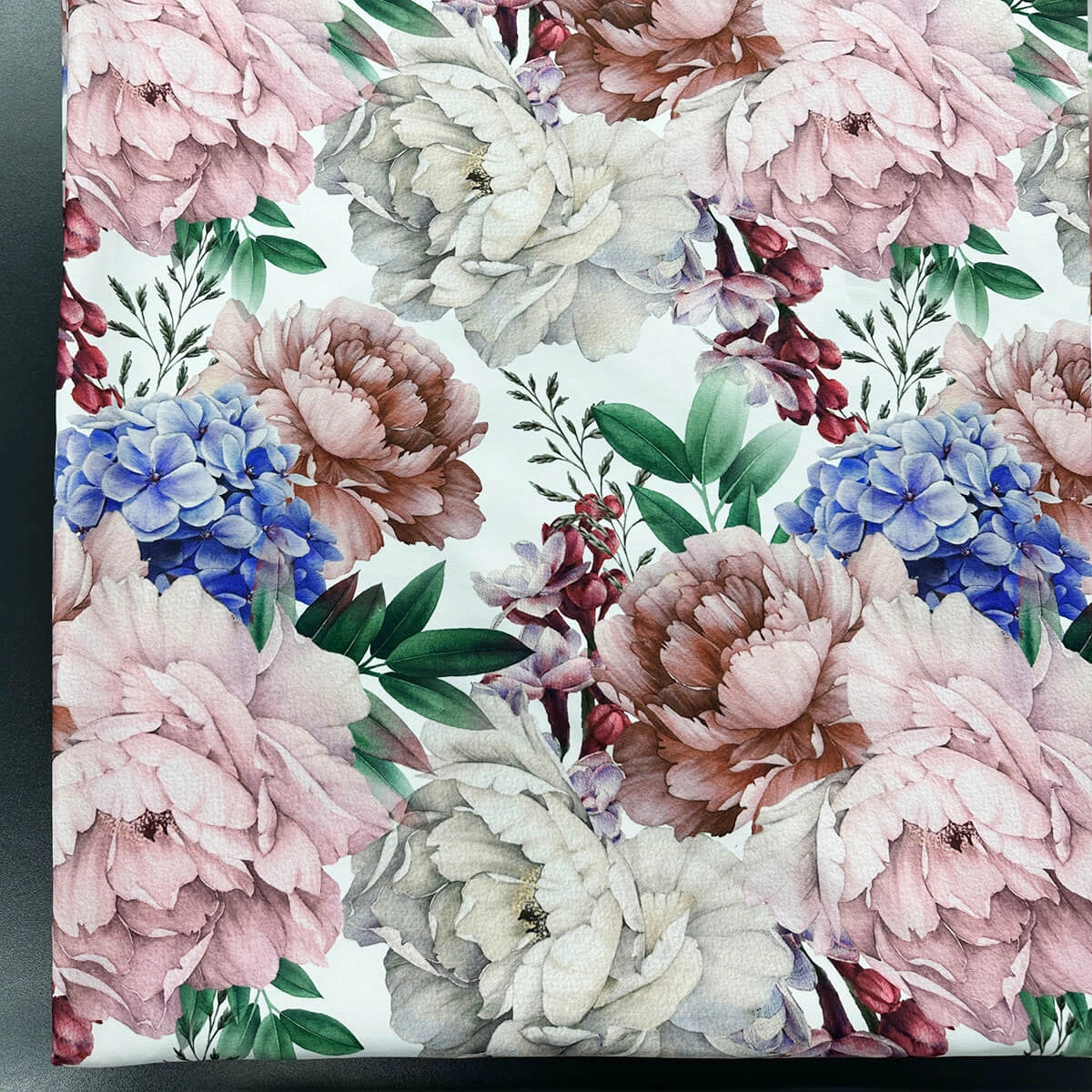
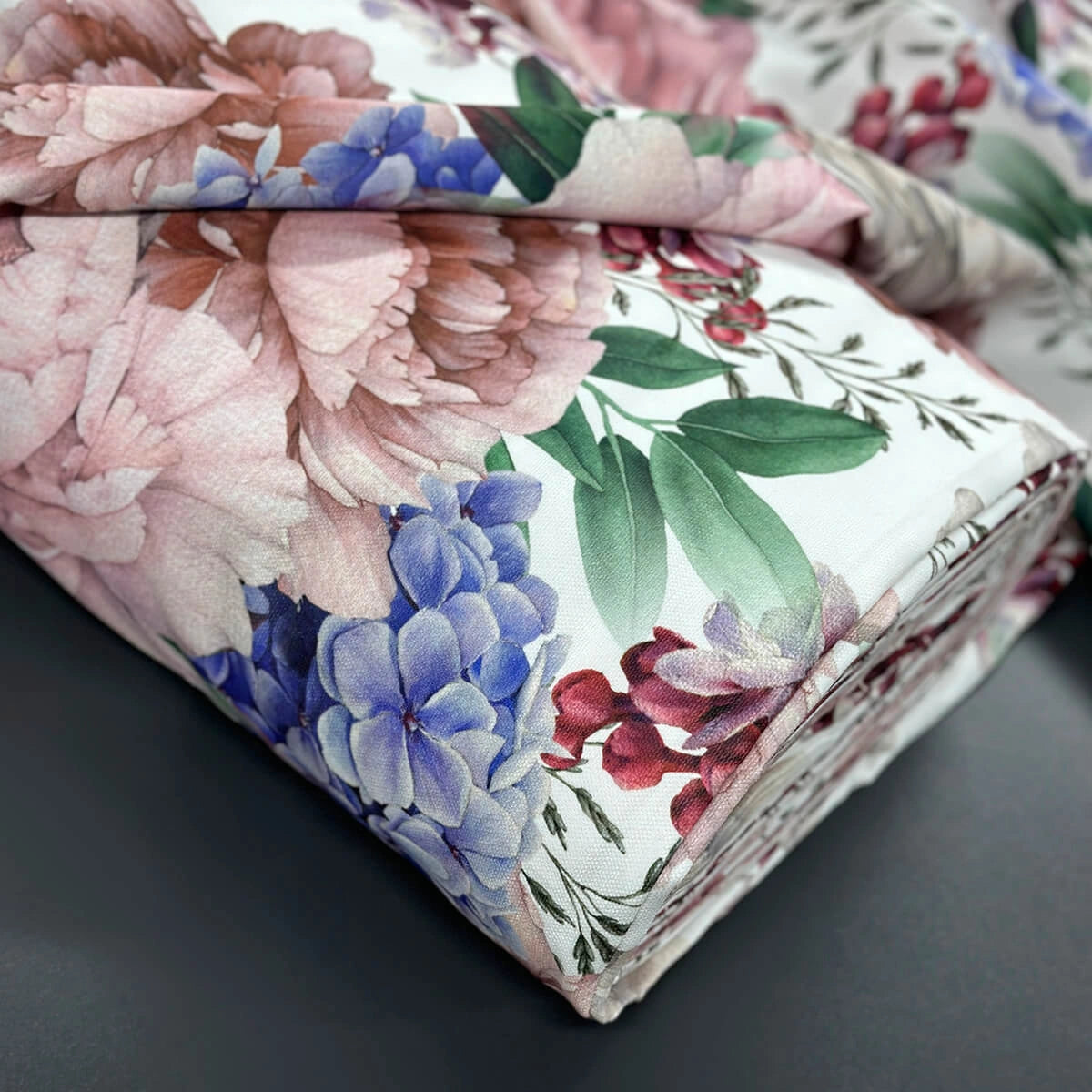
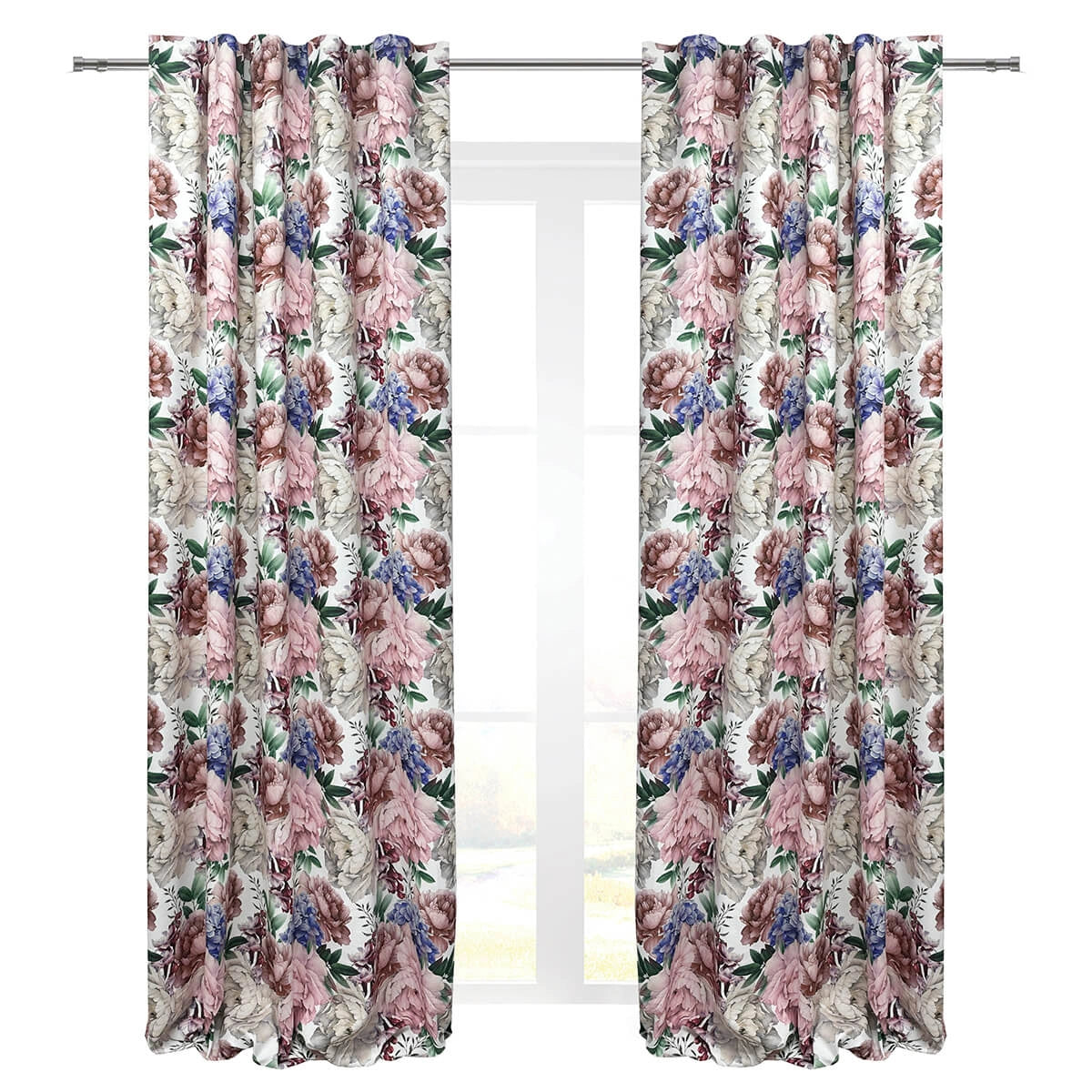
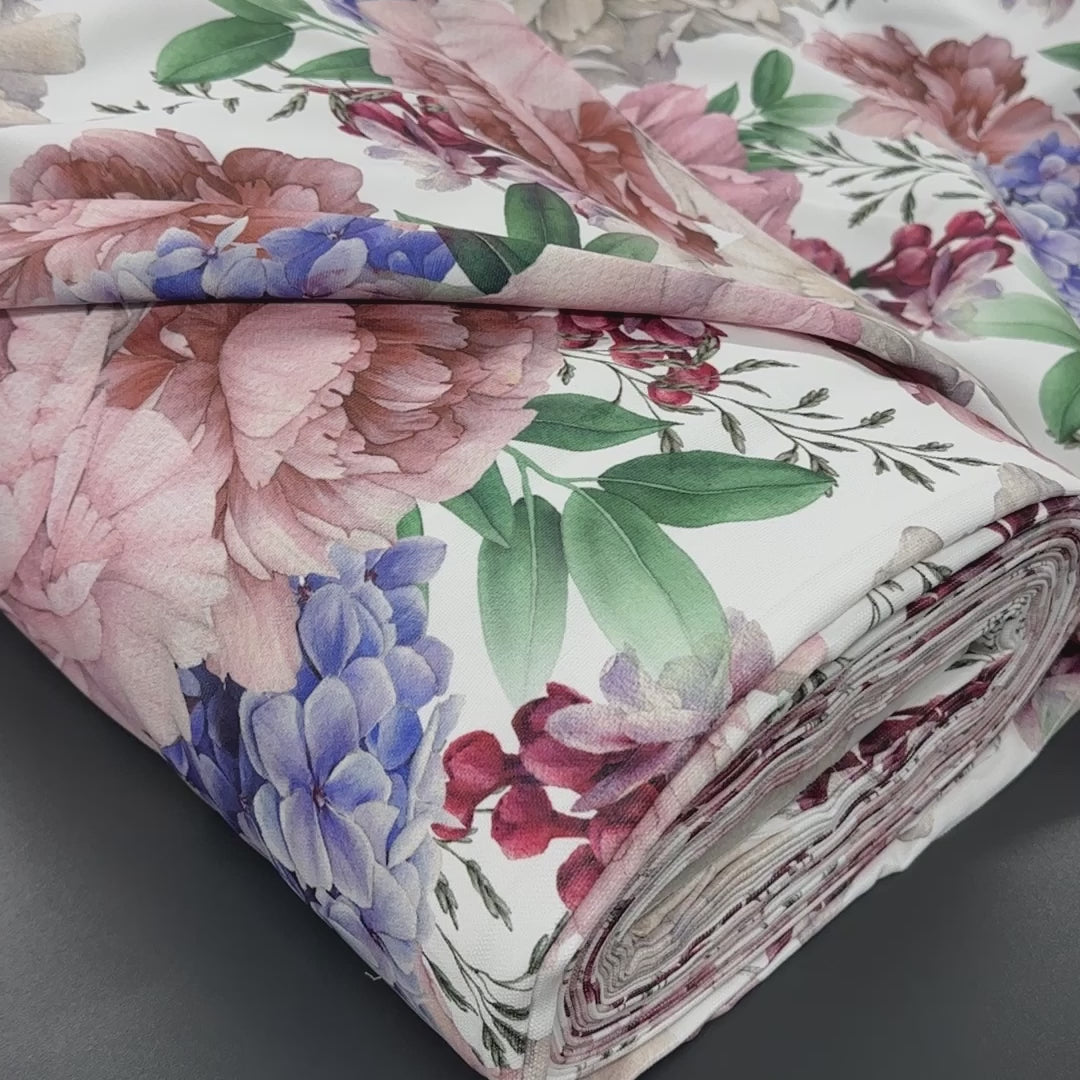
Unit price perSoft fabric with a delicate watercolor pattern of flowers. The fabric is soft and folds good. I sew these curtains according to the measurements of your window.
For the best view i propose to chose 2 - 2.5 times the width of the actual rod measurement.
These curtains will be manufactured on the customer's request only and cannot be exchanged or returned.
- Deviations from the sizes up to 0.5" are possible.
- Care instruction: Machine wash on gentle mode, no soaking, no bleaching. No dryer. Air dry only. Iron at low temperature (polyester setting) or use steam.
- Actual color may slightly vary from the picture due to various display monitors and reproduction of the actual product.
From $5.00
Unit price perFrom $5.00
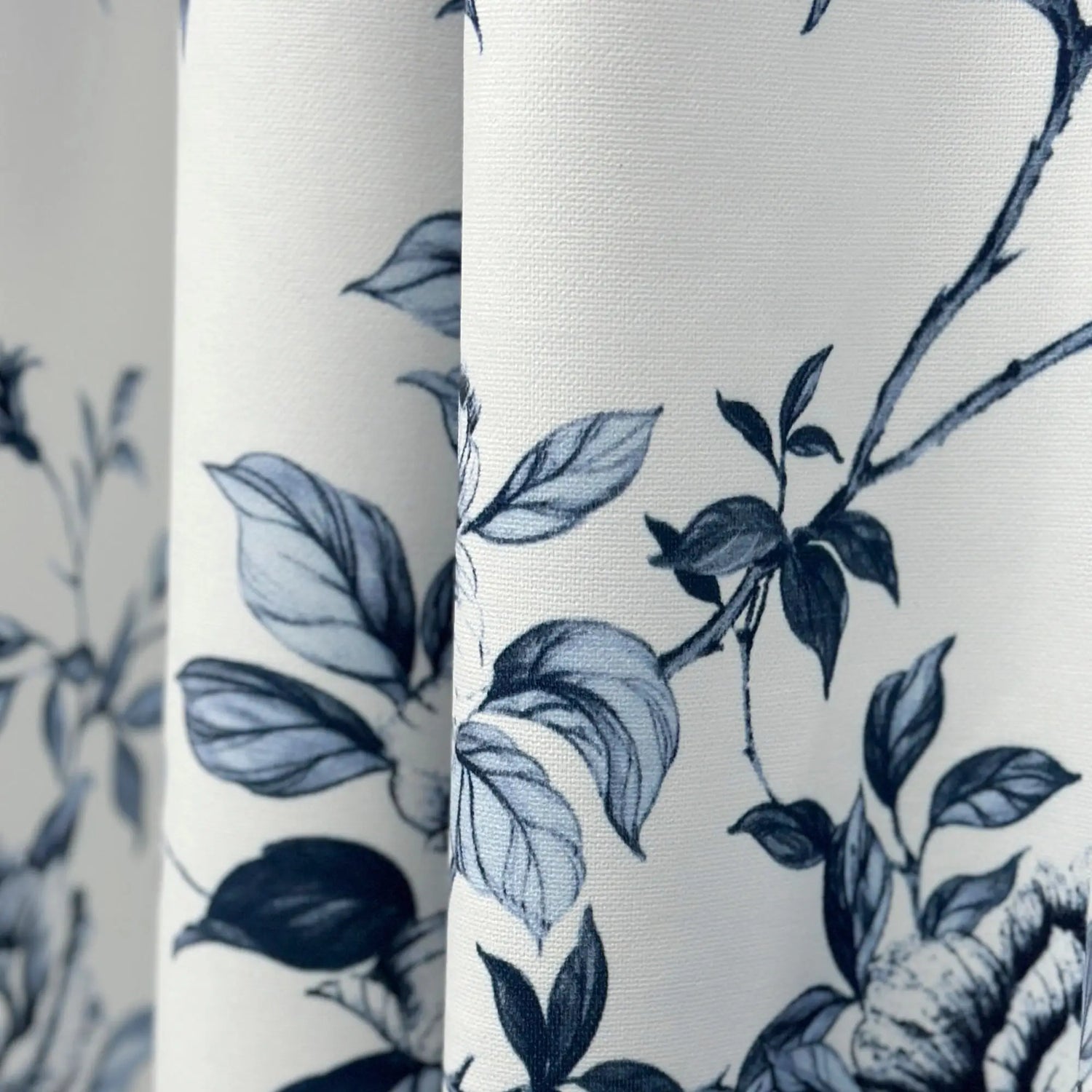
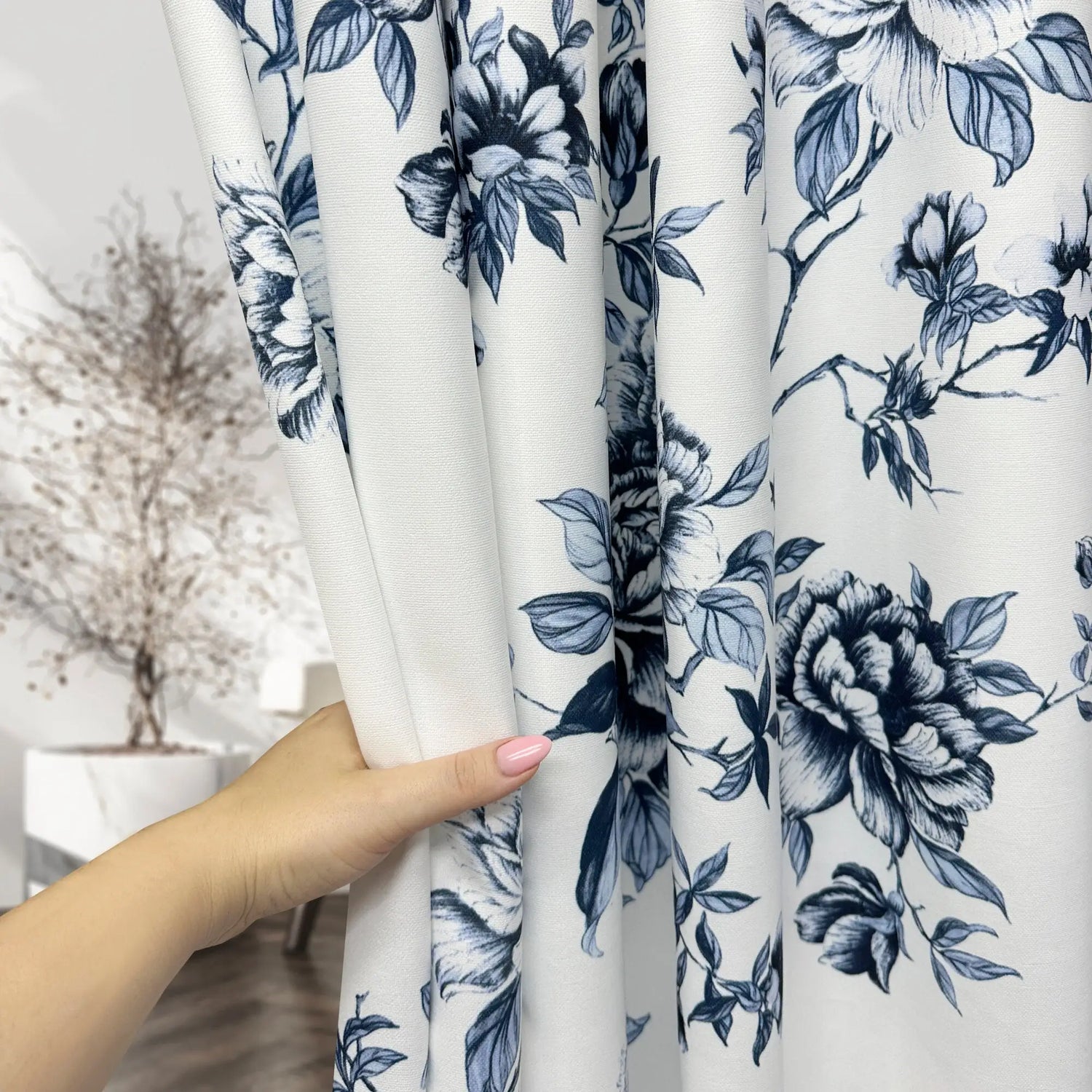
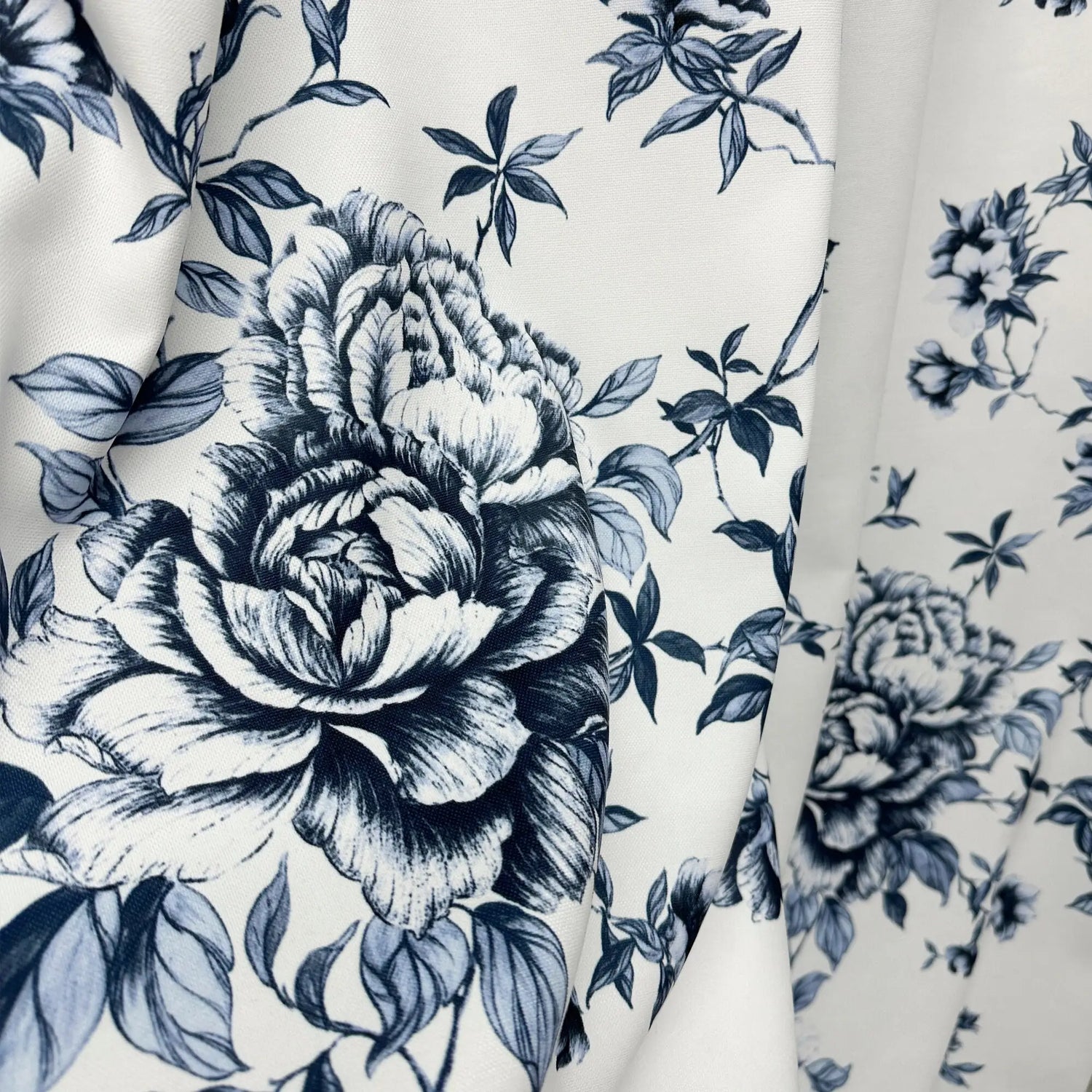
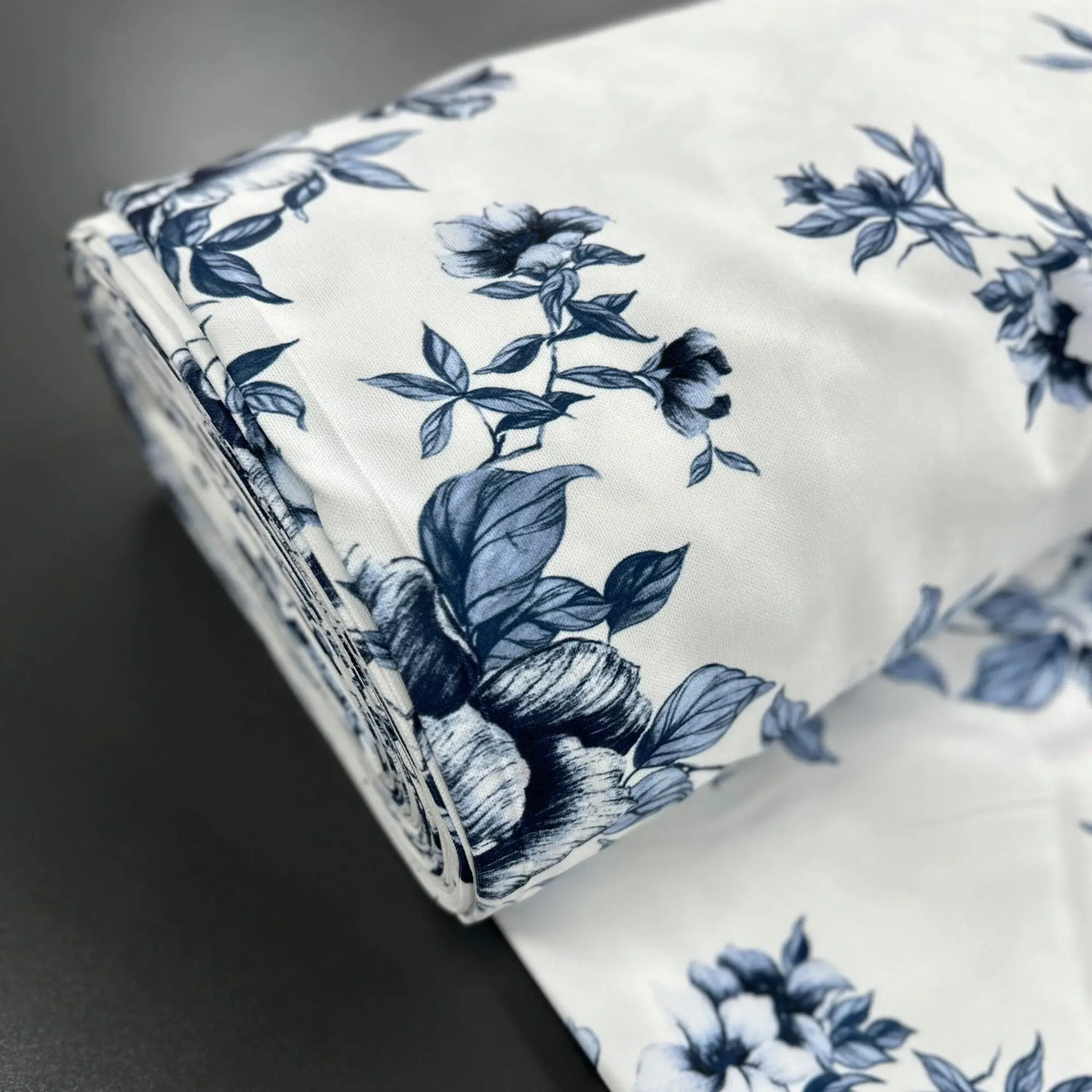
Unit price perIntroducing our Bright Floral Hydrangea Curtains, perfect for adding a pop of color and charm to your Provence living room or bedroom! The fabric is not only soft to the touch, but also folds flawlessly for a lovely draping effect. I carefully sew these curtains to your specific window measurements, ensuring a perfect fit every time. To achieve the best view, I recommend choosing curtains that are 2 - 2.5 times the width of your rod measurement. While these curtains are not blackout curtains, they do offer a 60% blackout rate. However, if you require additional privacy, you can easily add blackout lining. These decorative curtains will undoubtedly complement the overall design of your room and serve as a stylish accent, bringing a touch of nature indoors. Upgrade your home decor with our Floral Curtains today!
These curtains will be manufactured on the customer's request only and cannot be exchanged or returned.
- Deviations from the sizes up to 0.5" are possible.
- Care instruction: Machine wash on gentle mode, no soaking, no bleaching. No dryer. Air dry only. Iron at low temperature (polyester setting) or use steam.
- Actual color may slightly vary from the picture due to various display monitors and reproduction of the actual product.
From $5.00
Unit price perFrom $5.00
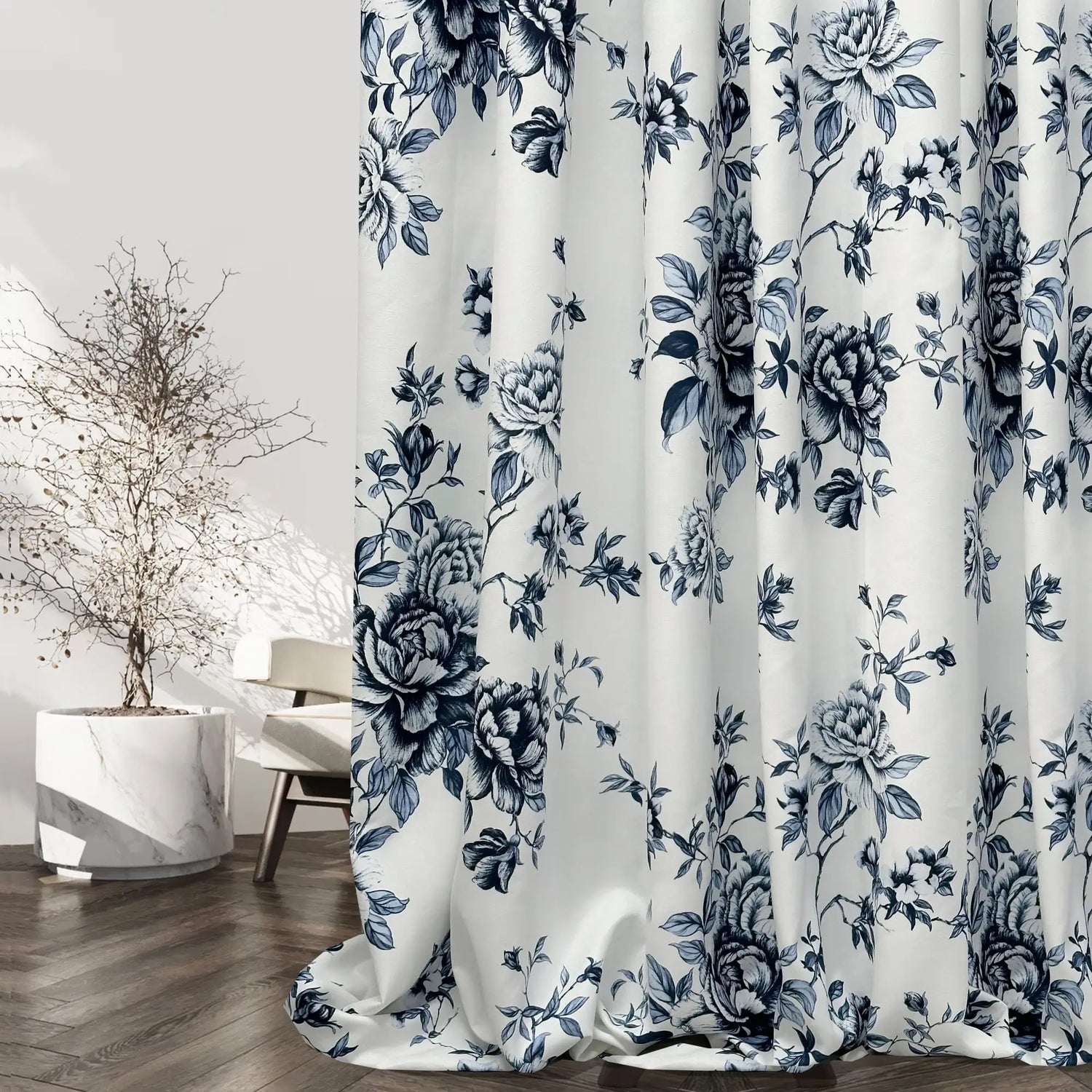
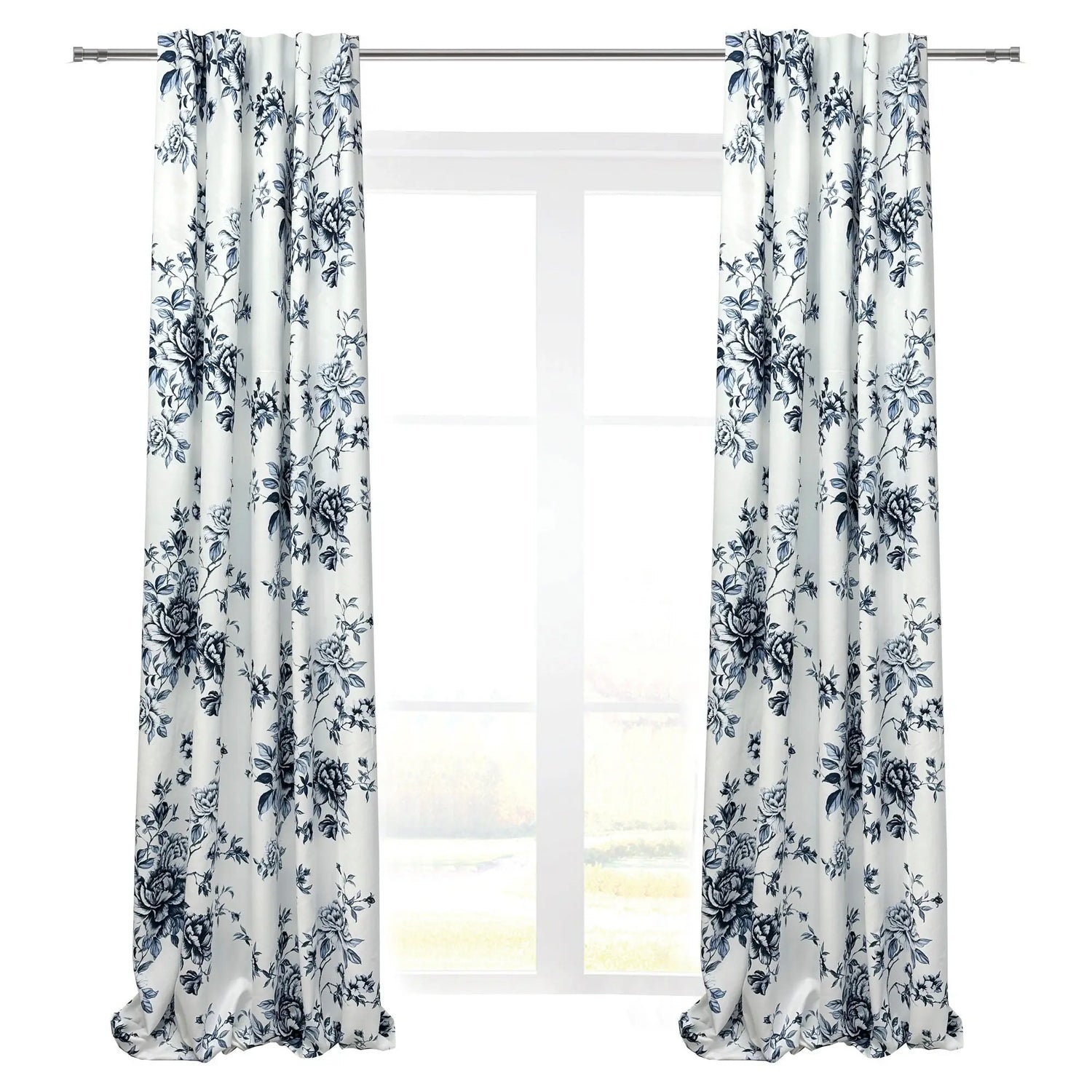
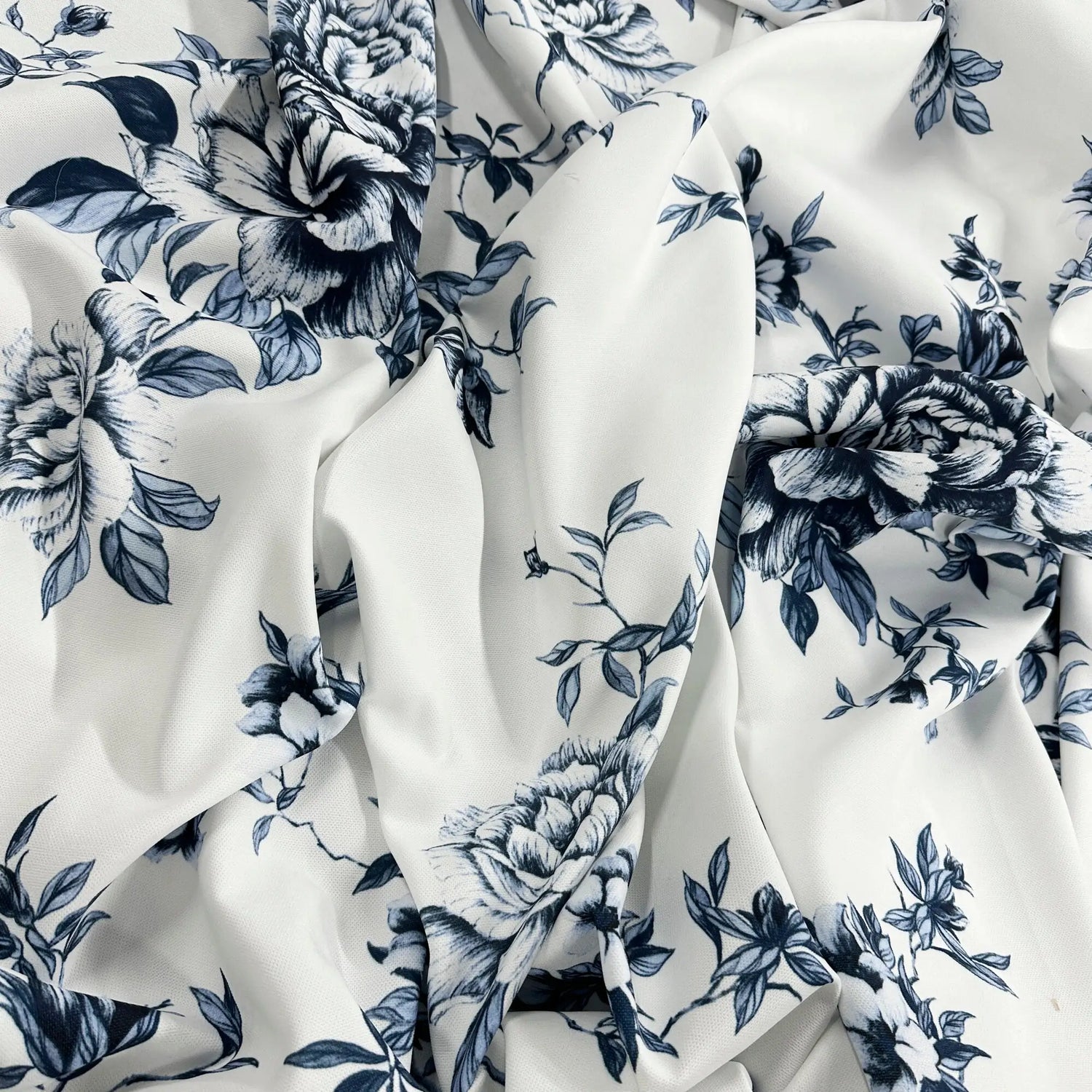
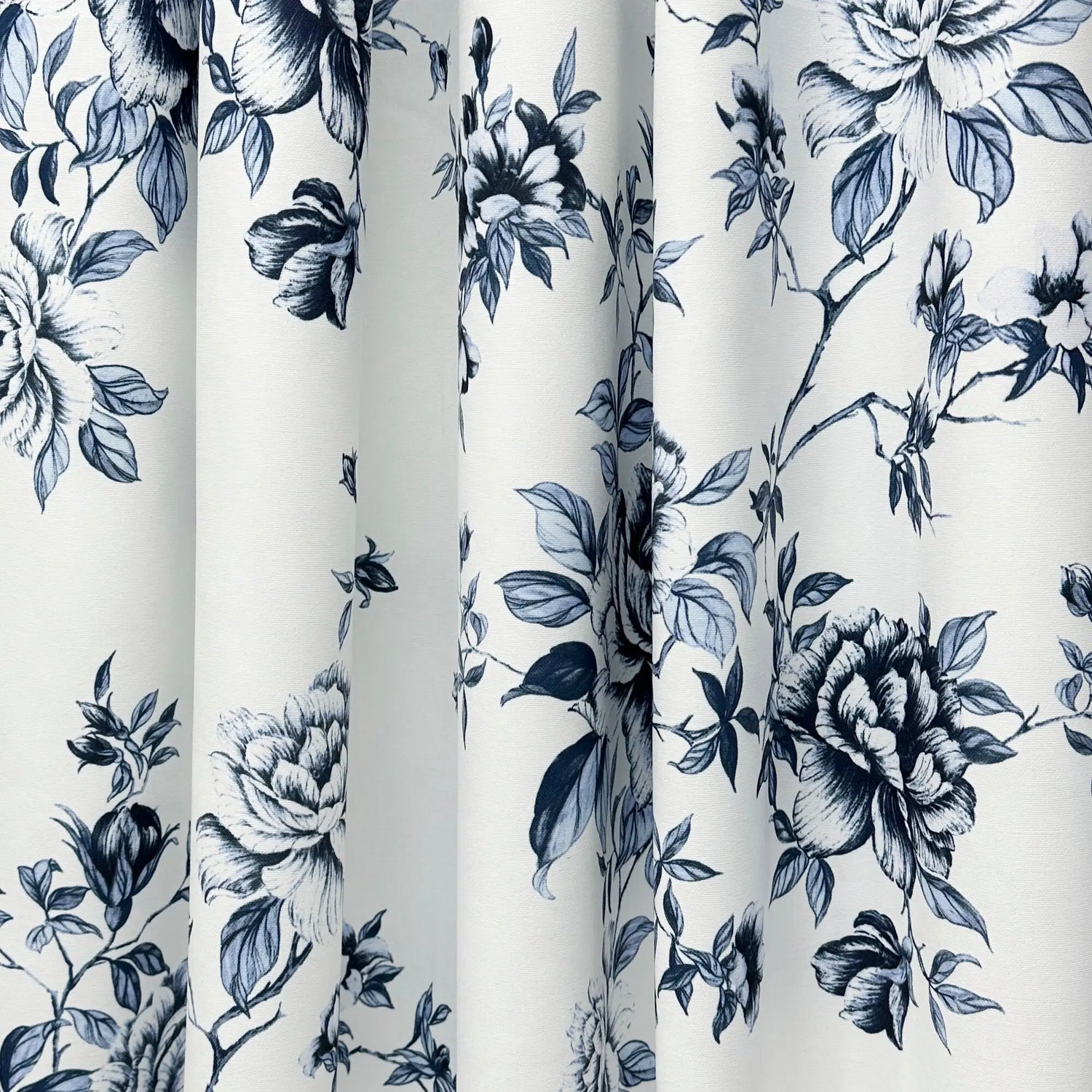
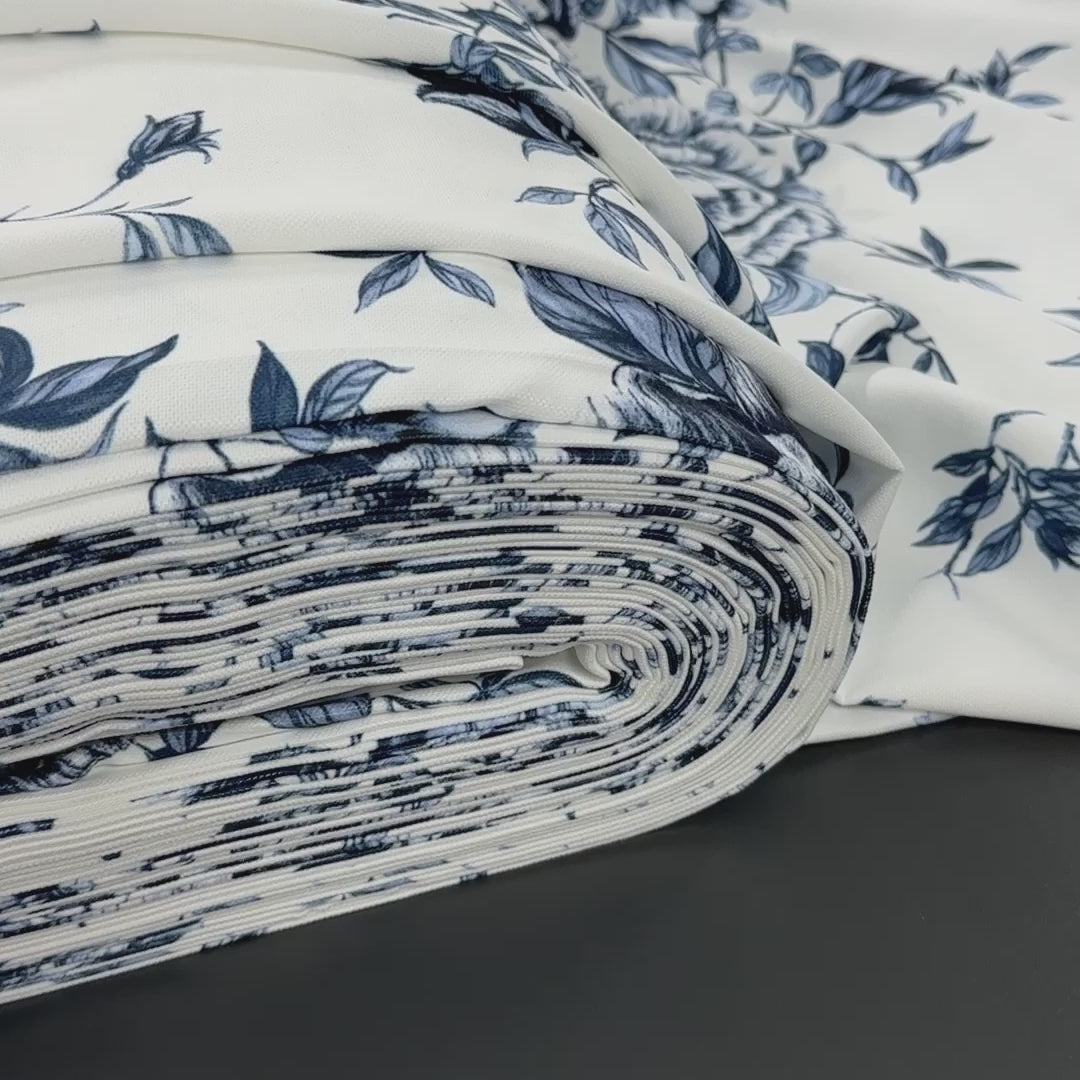
Unit price perSoft fabric with a delicate watercolor pattern of chinoiserie rose. The fabric is soft and folds good. I sew these curtains according to the measurements of your window.
For the best view i propose to chose 2 - 2.5 times the width of the actual rod measurement.
These curtains will be manufactured on the customer's request only and cannot be exchanged or returned.
- Deviations from the sizes up to 0.5" are possible.
- Care instruction: Machine wash on gentle mode, no soaking, no bleaching. No dryer. Air dry only. Iron at low temperature (polyester setting) or use steam.
- Actual color may slightly vary from the picture due to various display monitors and reproduction of the actual product.
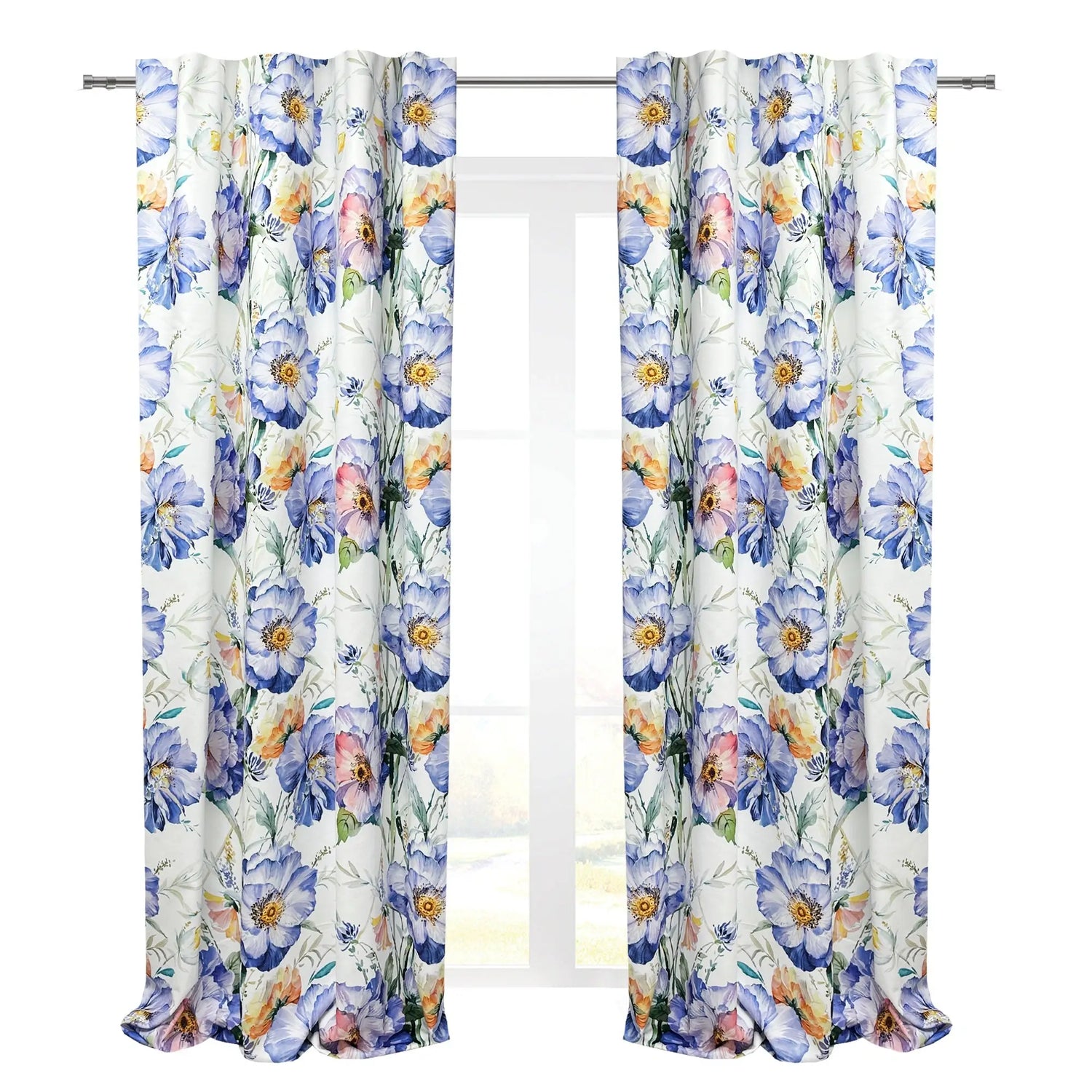
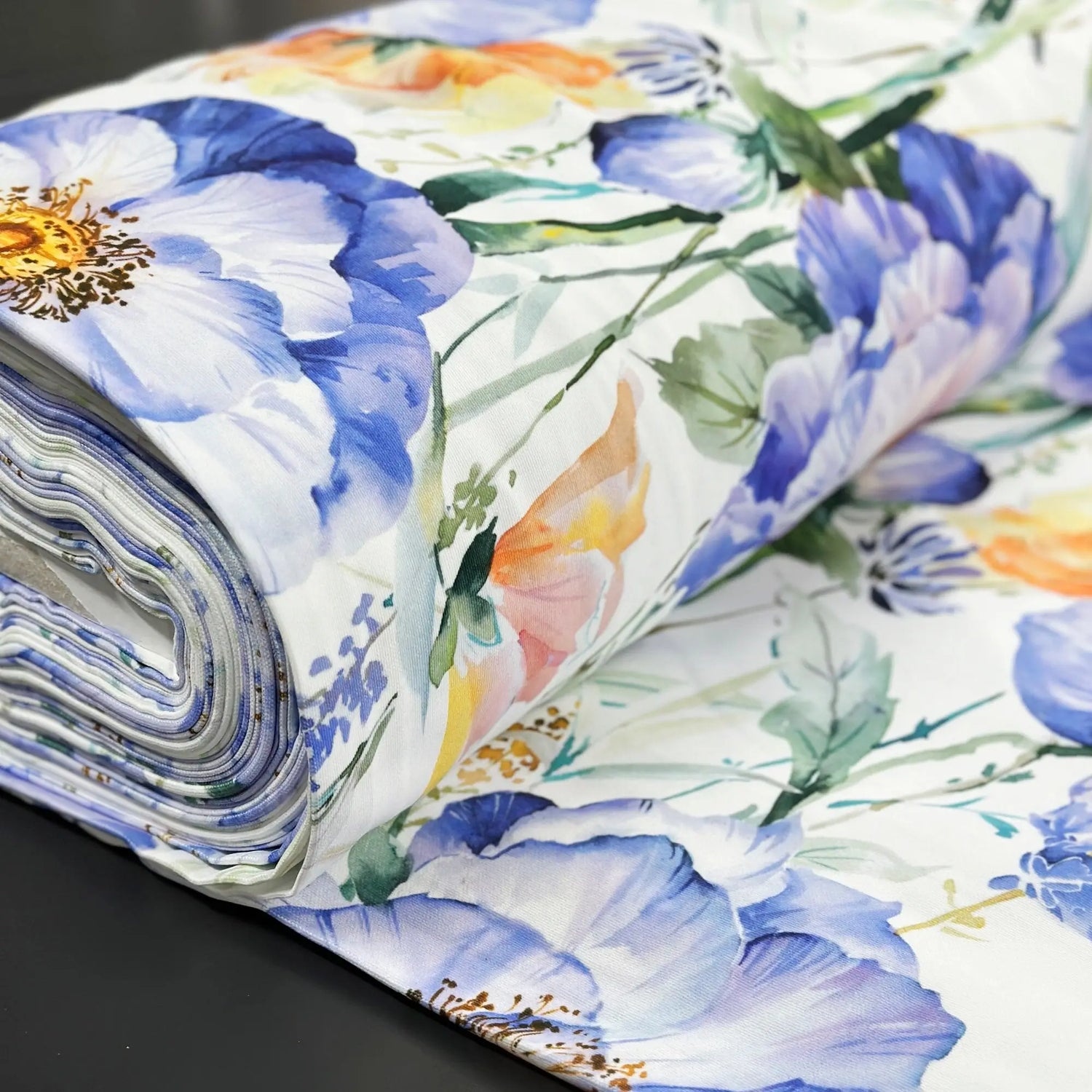
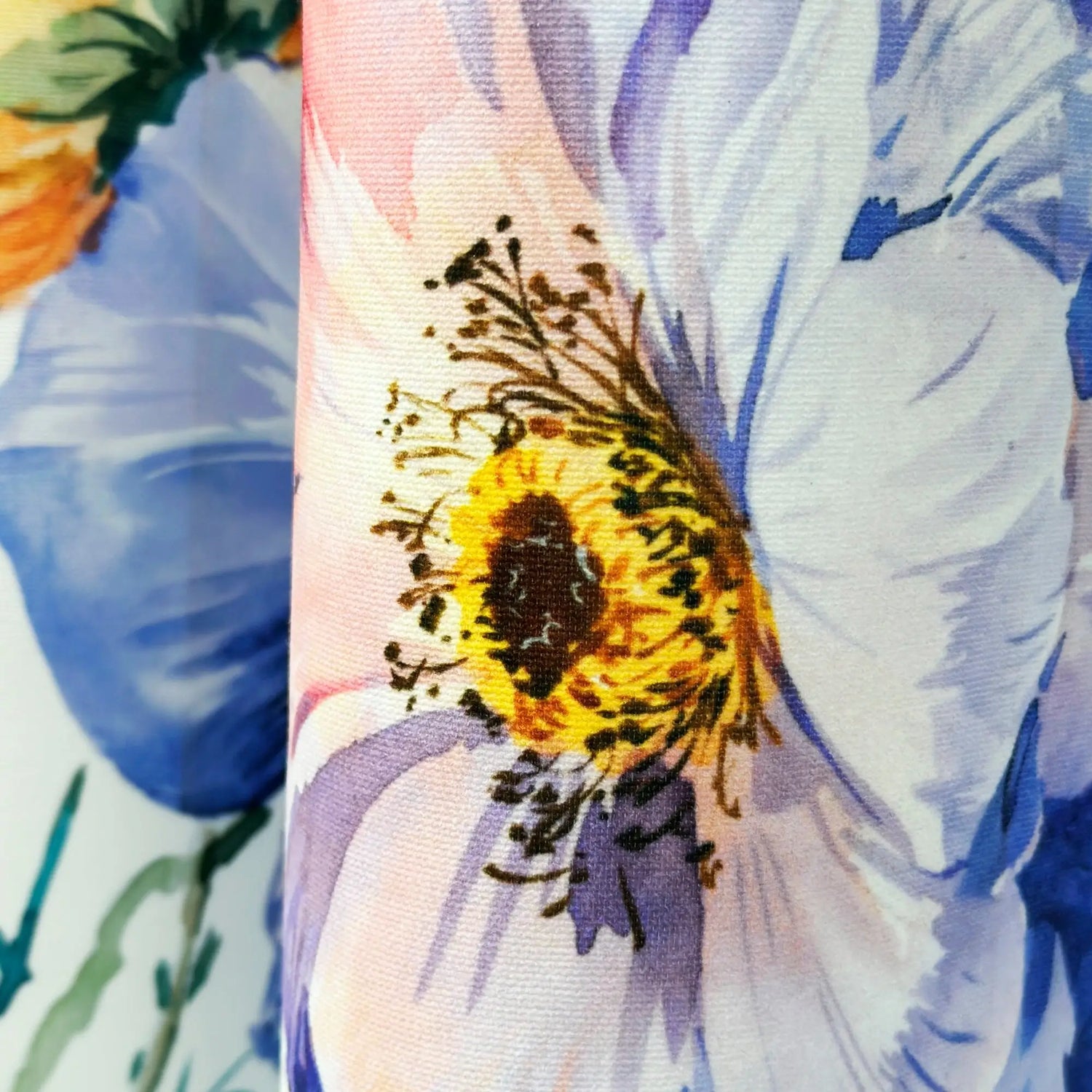
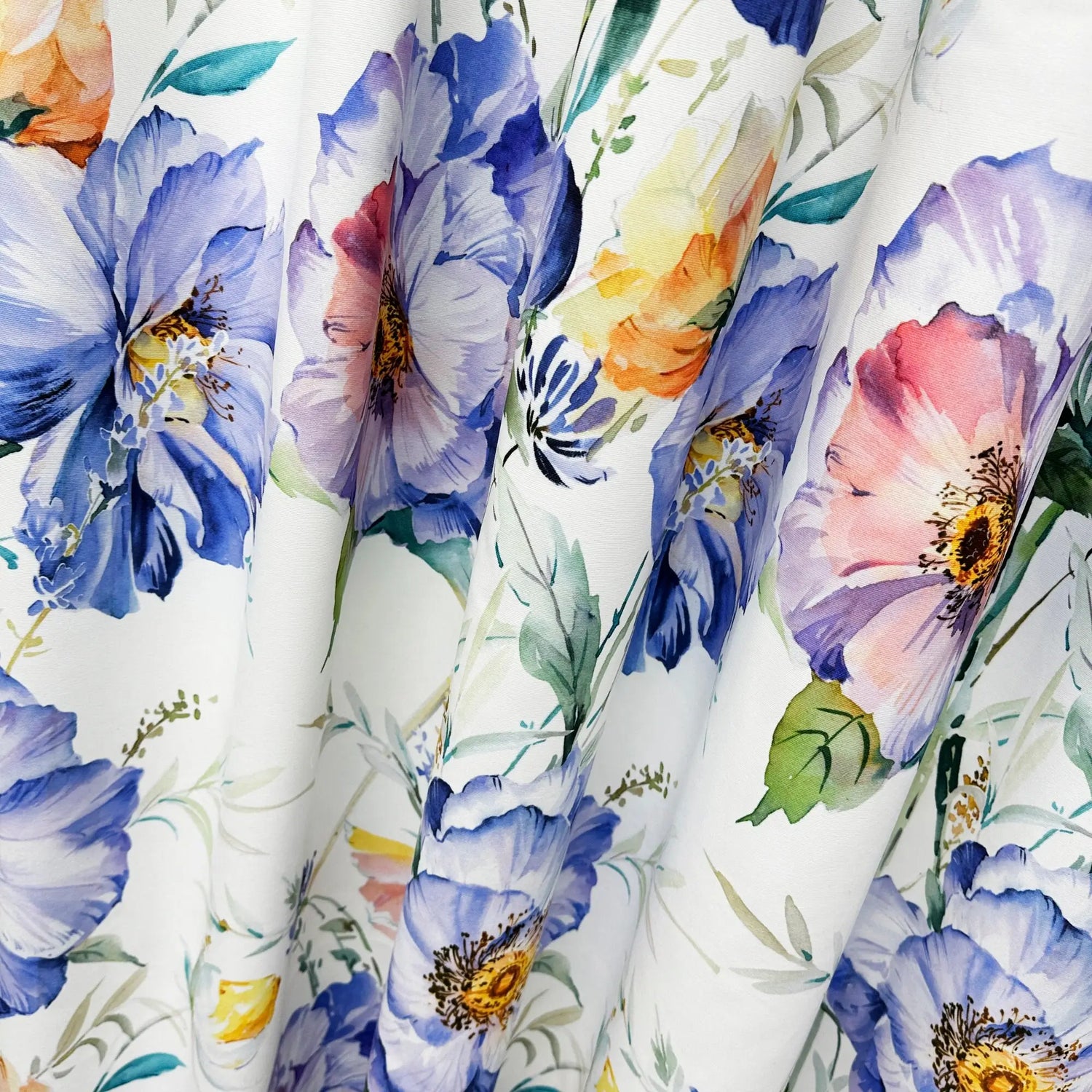
From $5.00
Unit price perFrom $5.00
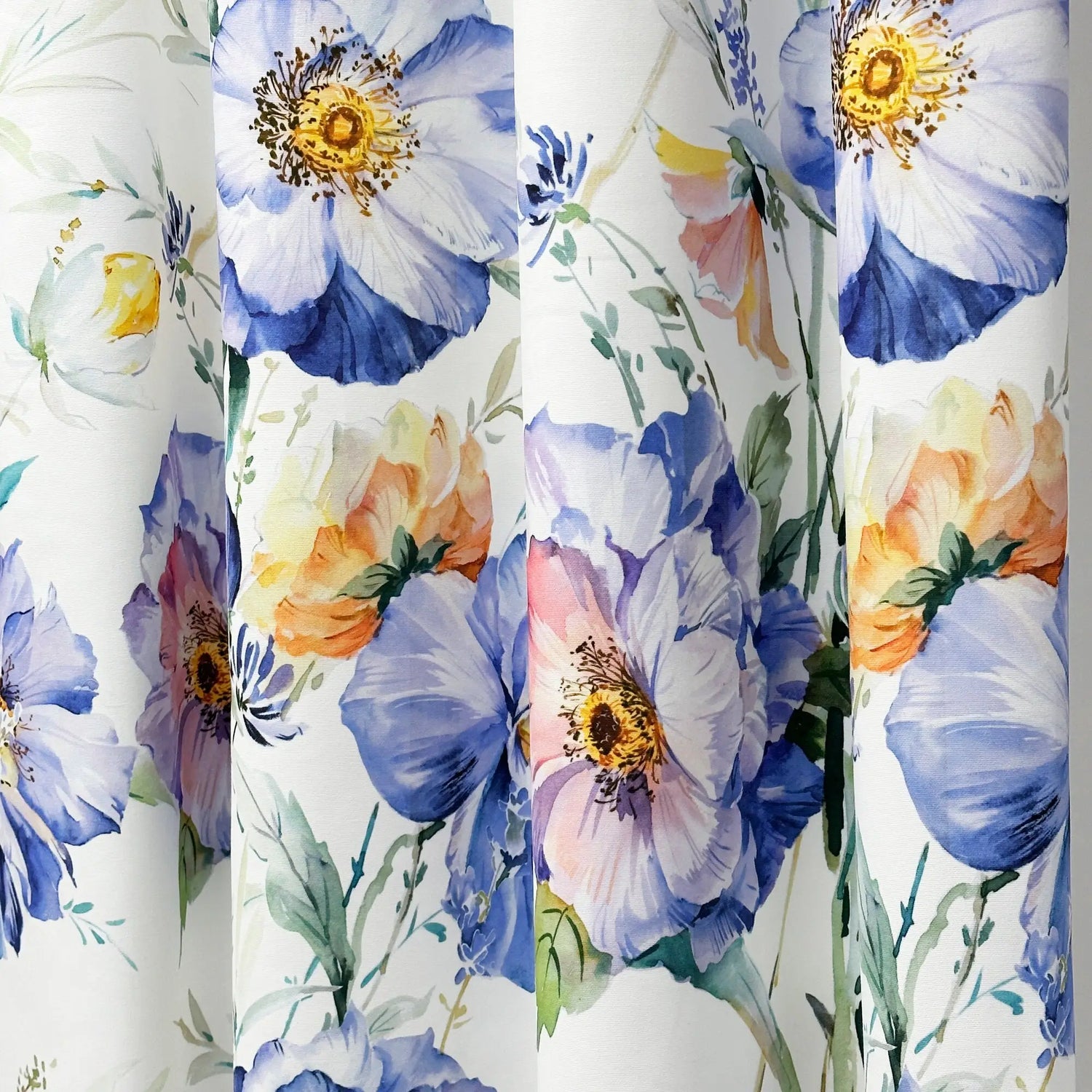
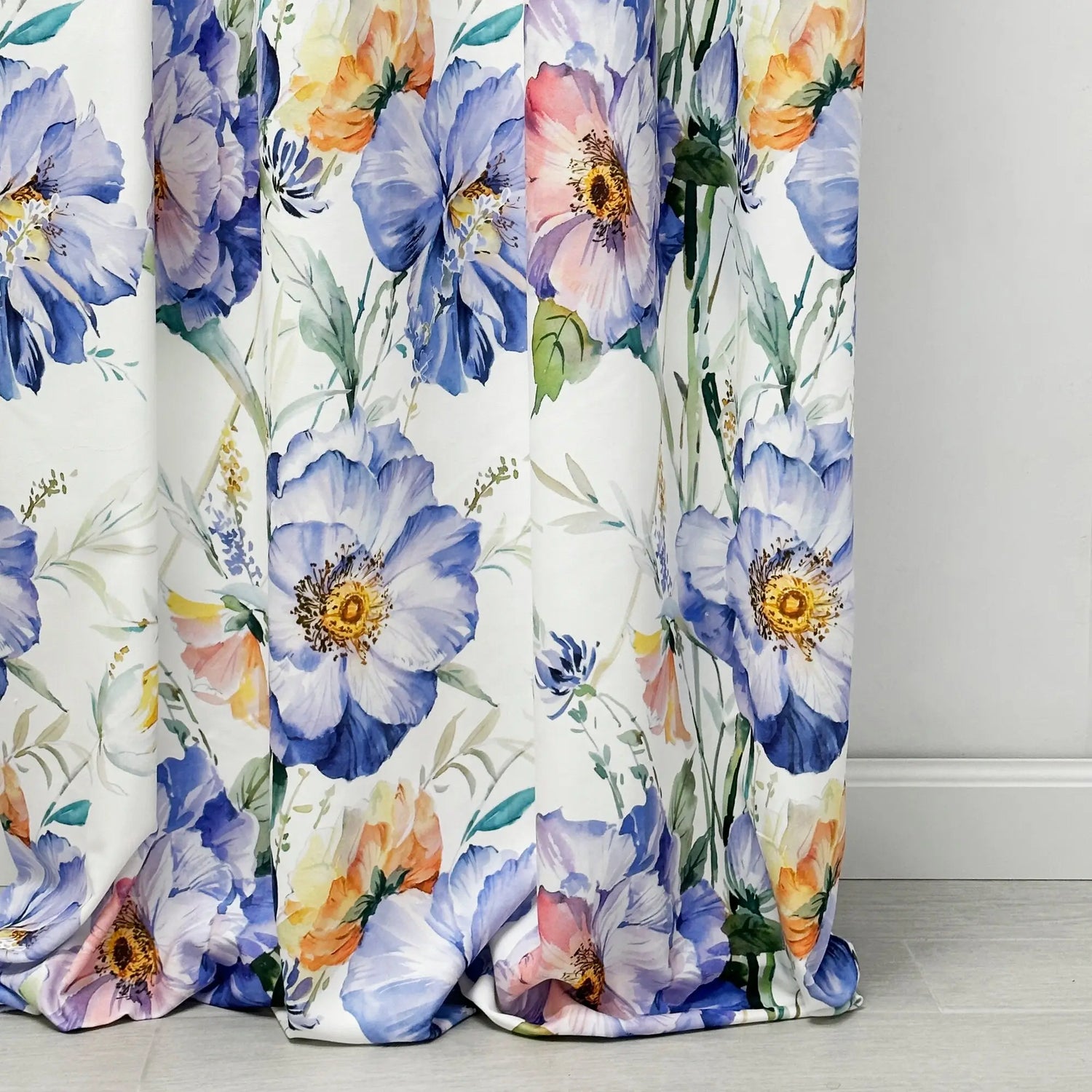
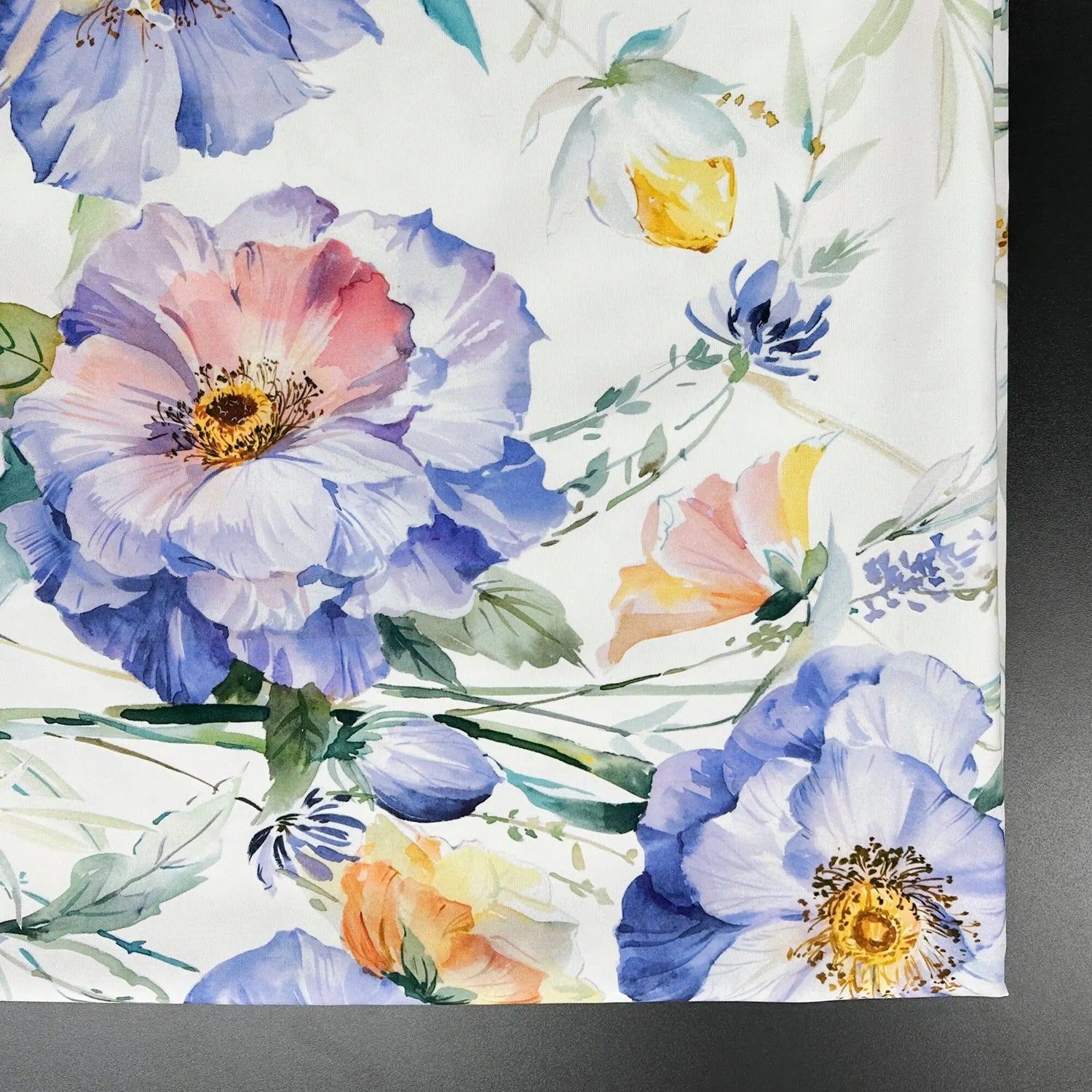
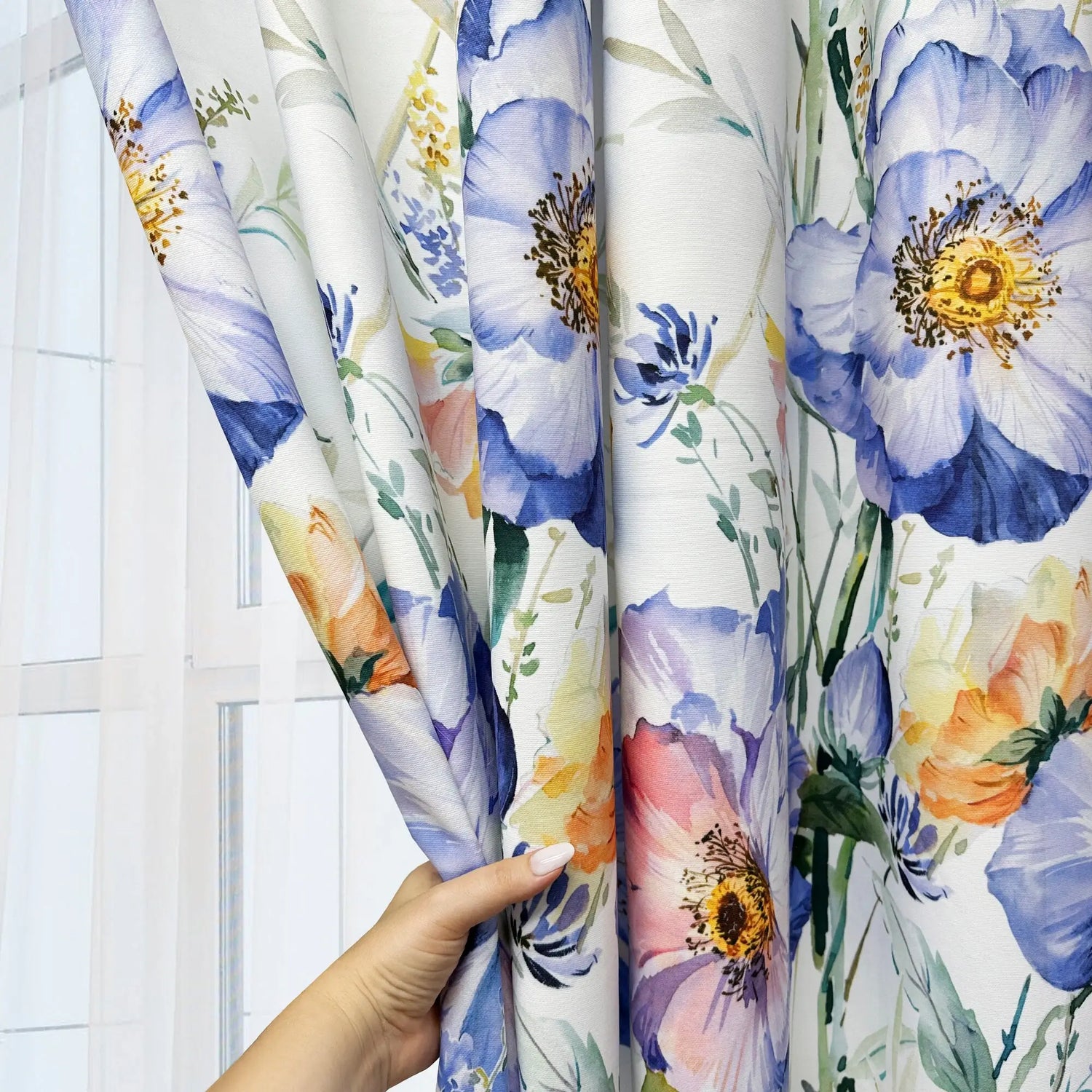
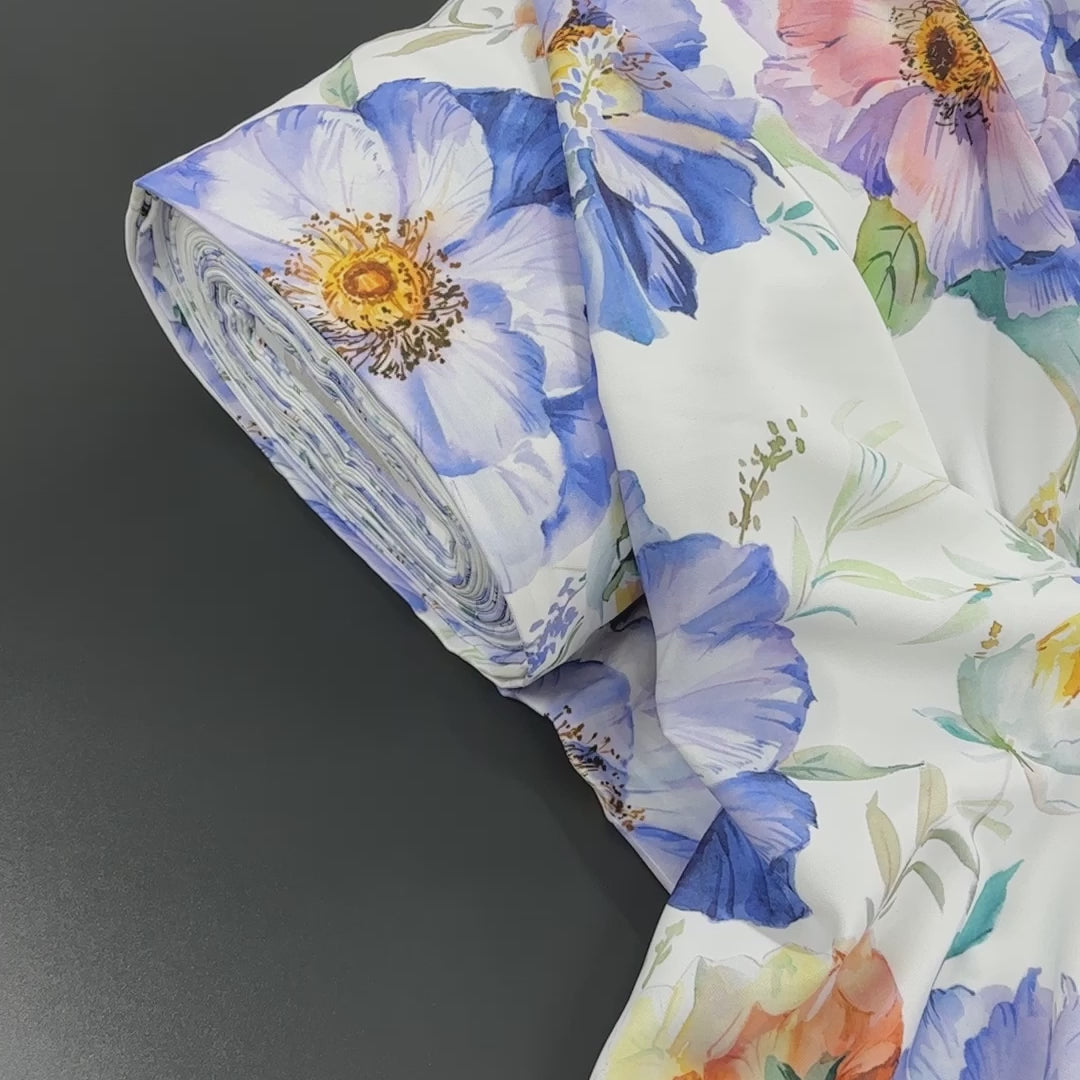
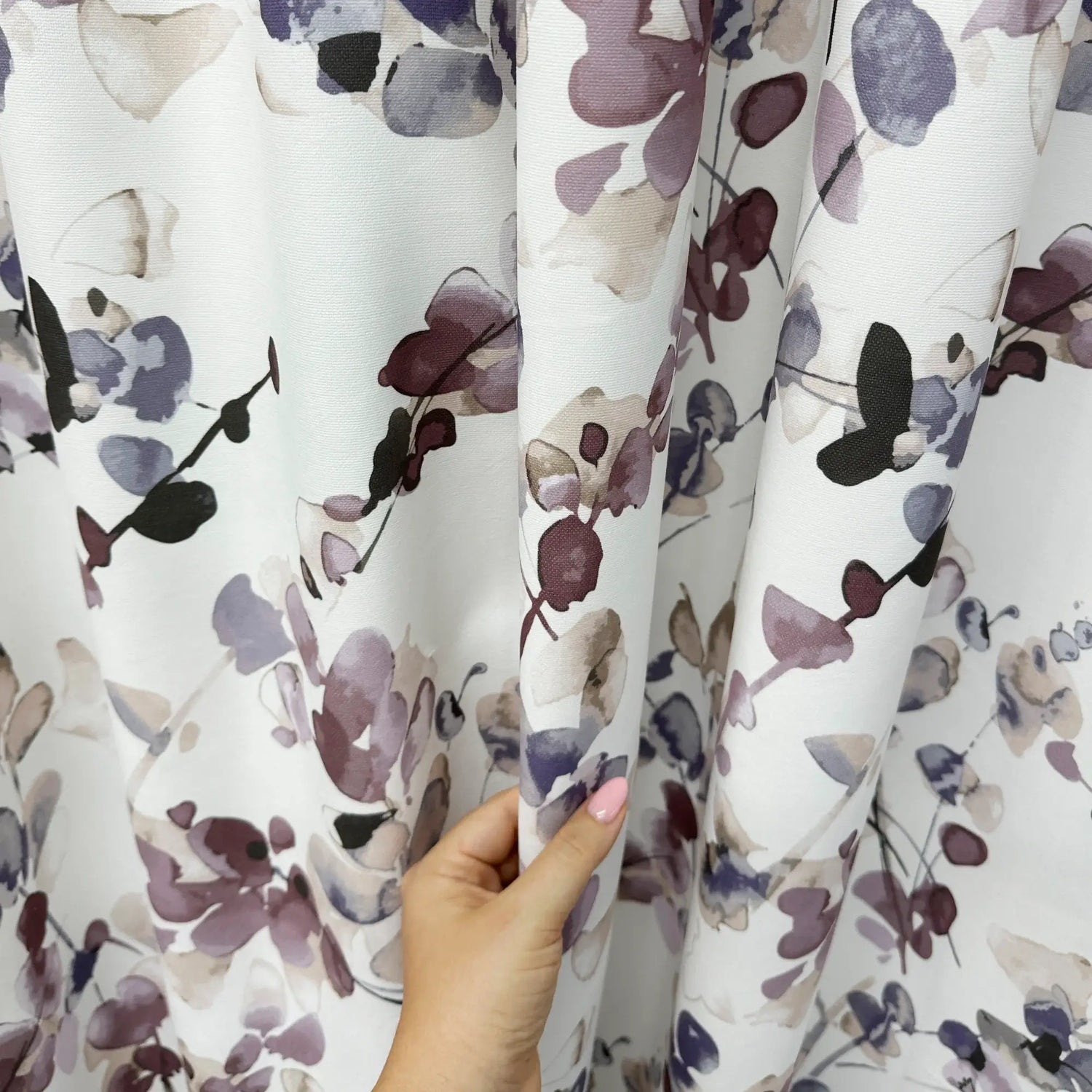
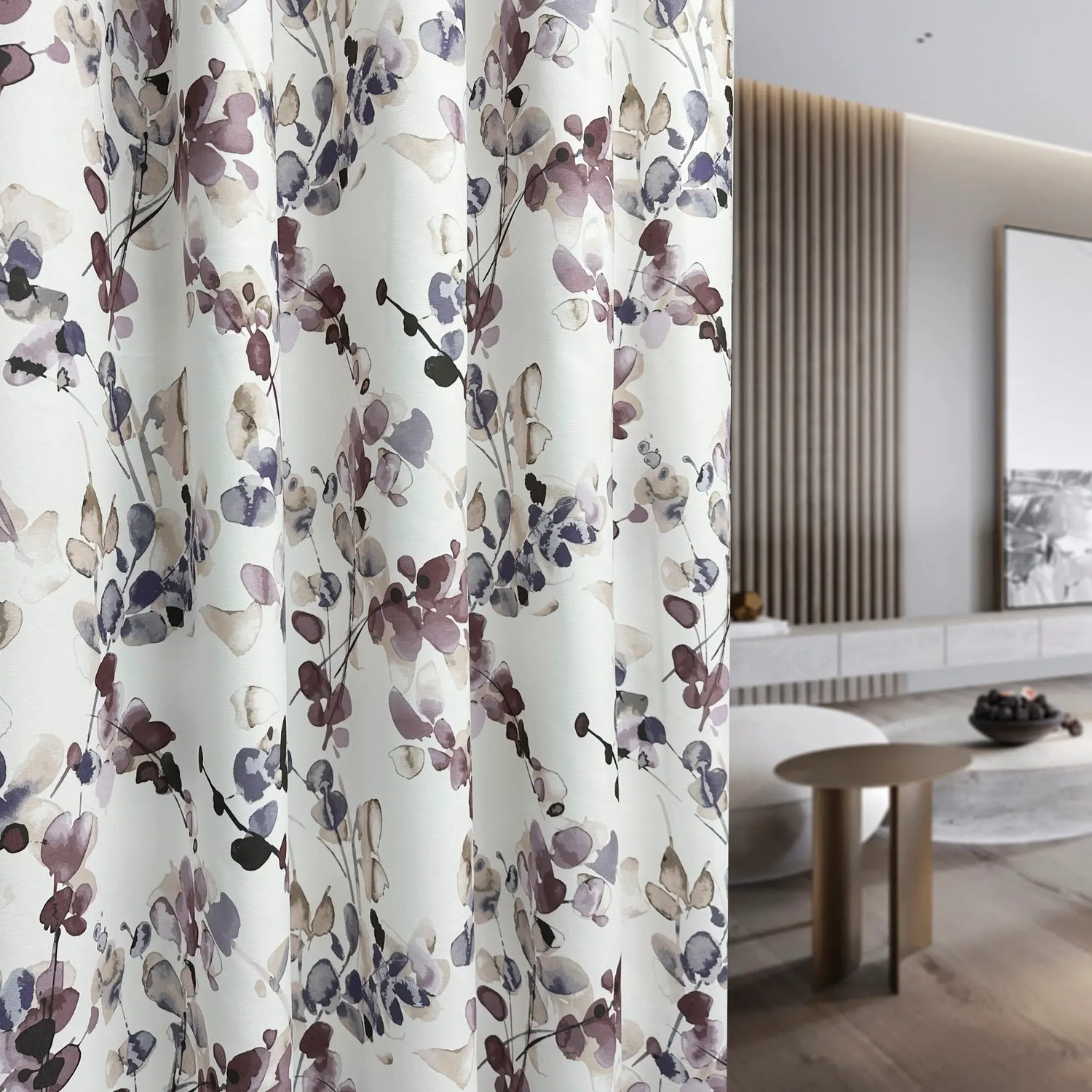
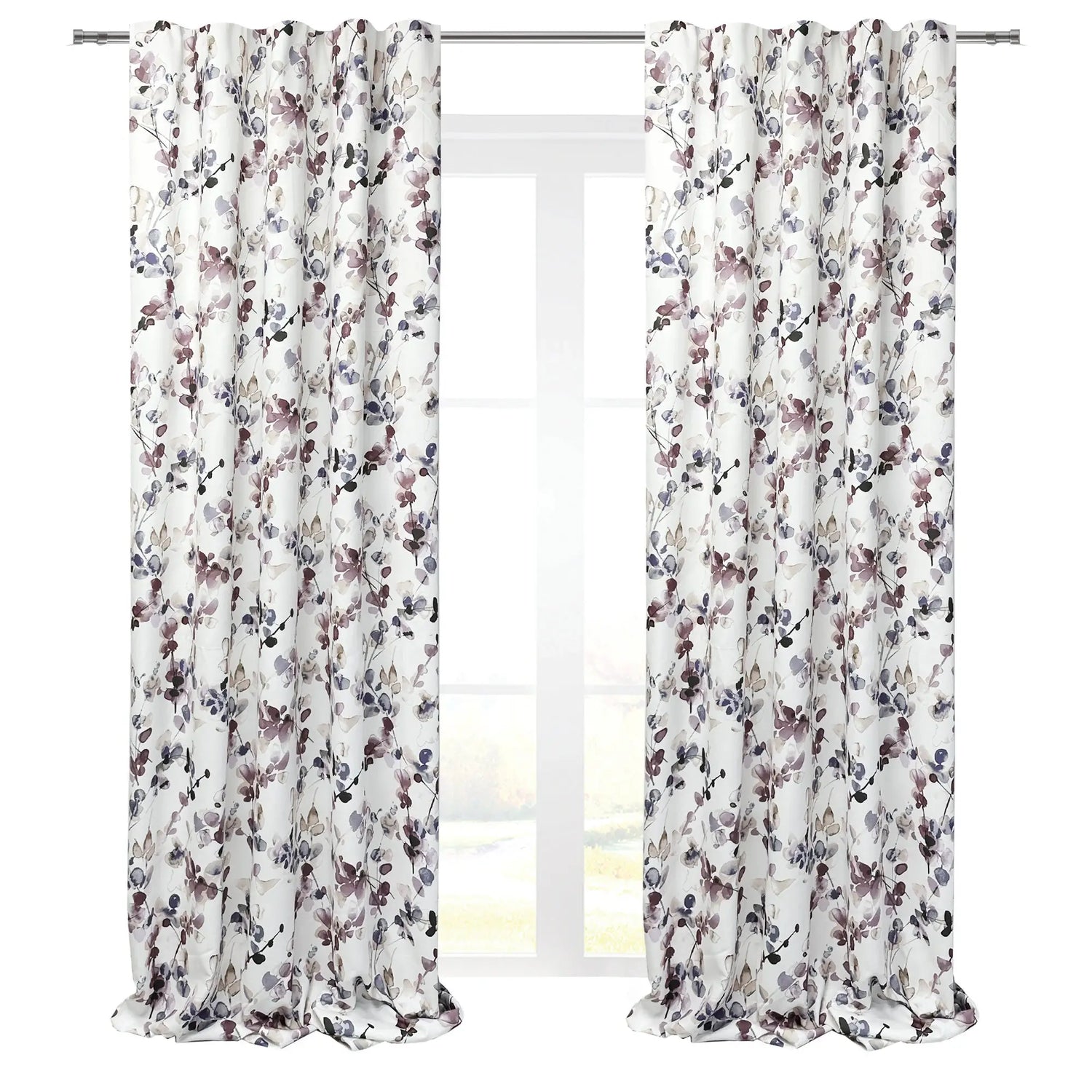
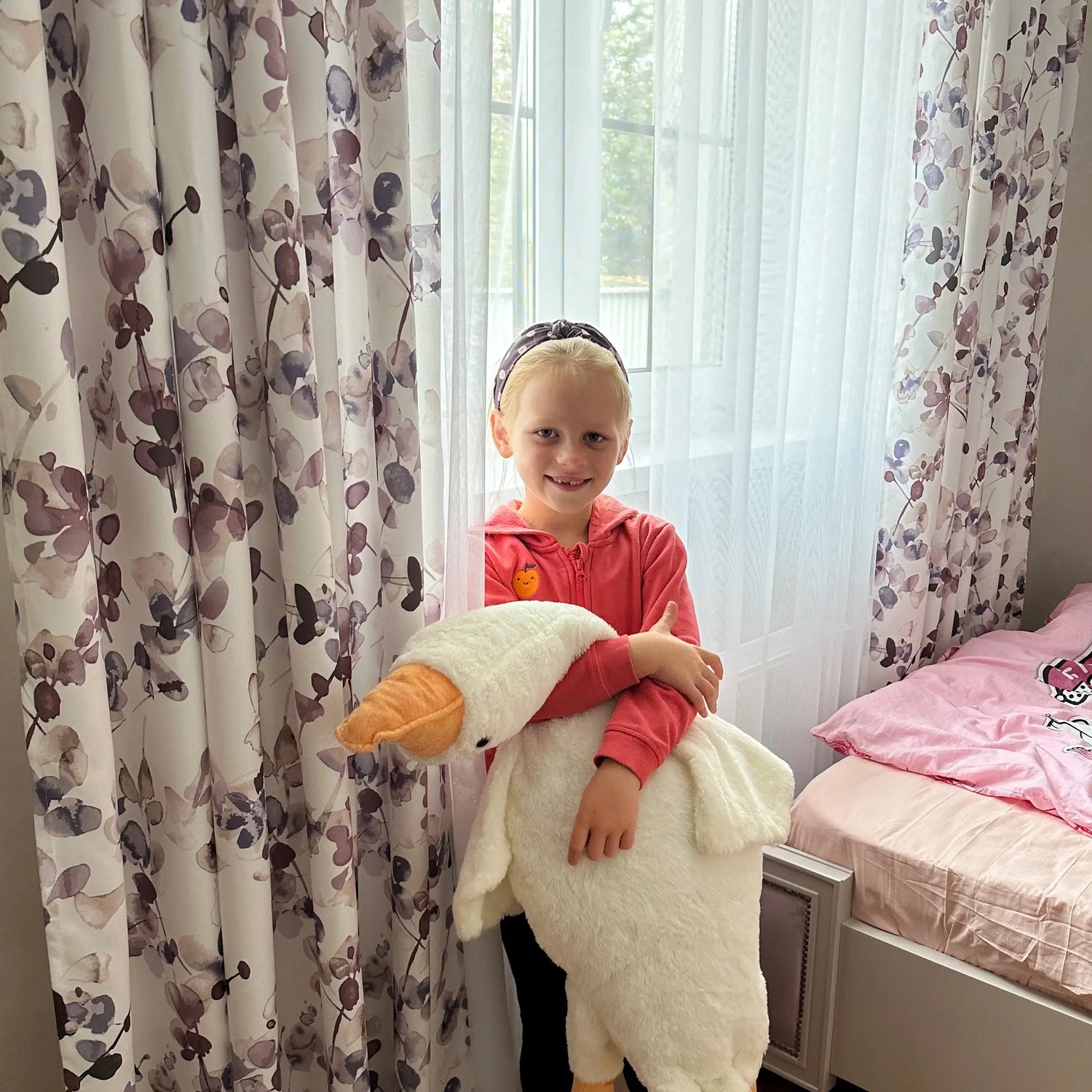
Unit price perIntroducing our Сustom Bright Floral Curtains, perfect for adding a pop of color and charm to your Provence living room or bedroom! These extra long curtains are crafted with a delicate watercolor pattern featuring bright blue poppy flowers, creating a soft and beautiful aesthetic. The fabric is not only soft to the touch, but also folds flawlessly for a lovely draping effect. I carefully sew these curtains to your specific window measurements, ensuring a perfect fit every time. To achieve the best view, I recommend choosing curtains that are 2 - 2.5 times the width of your rod measurement. While these curtains are not blackout curtains, they do offer a 60% blackout rate. However, if you require additional privacy, you can easily add blackout lining. These decorative curtains will undoubtedly complement the overall design of your room and serve as a stylish accent, bringing a touch of nature indoors. Upgrade your home decor with our Cute Blue Watercolor Extra Long Curtains today!
These curtains will be manufactured on the customer's request only and cannot be exchanged or returned.
- Deviations from the sizes up to 0.5" are possible.
- Care instruction: Machine wash on gentle mode, no soaking, no bleaching. No dryer. Air dry only. Iron at low temperature (polyester setting) or use steam.
- Actual color may slightly vary from the picture due to various display monitors and reproduction of the actual product.
From $5.00
Unit price perFrom $5.00
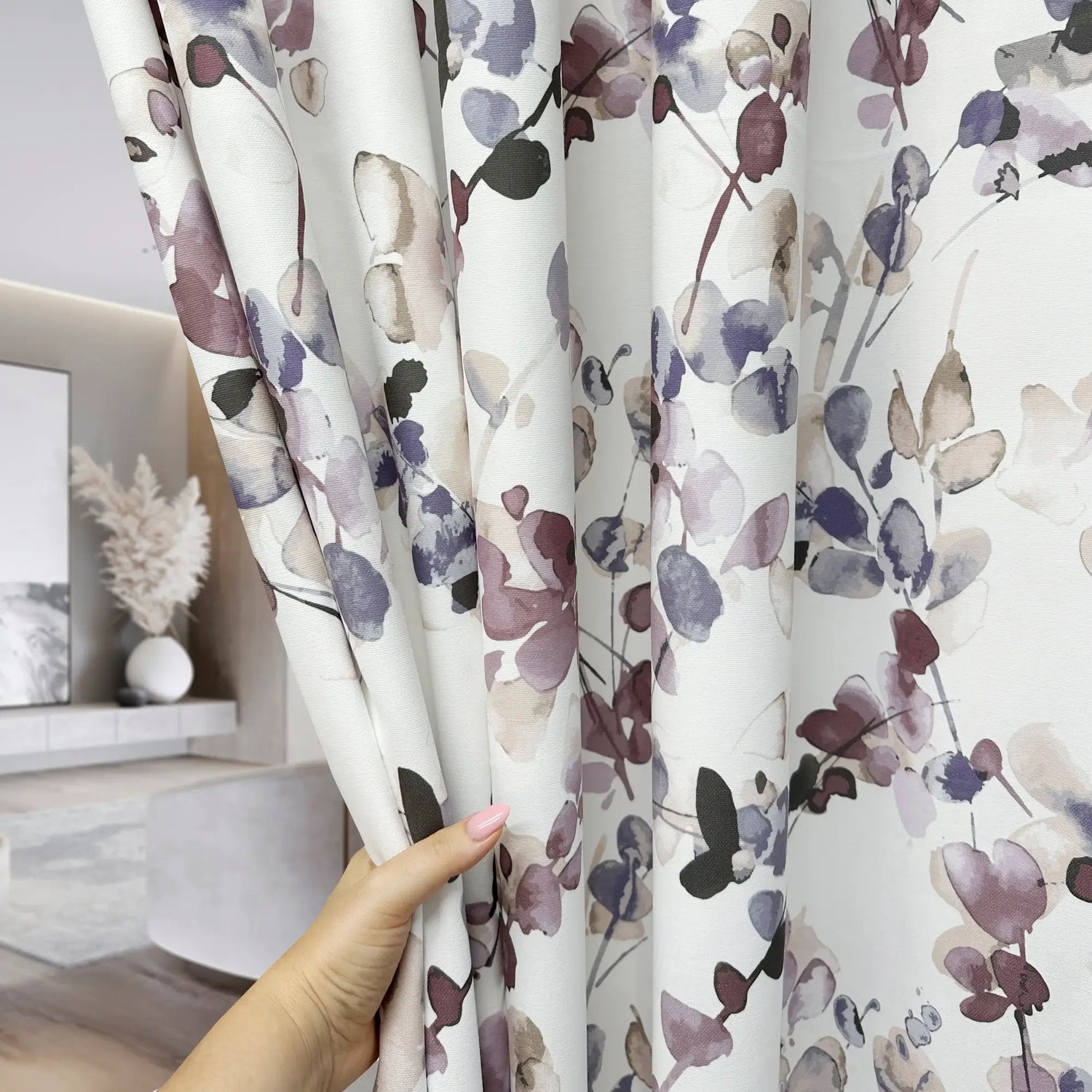
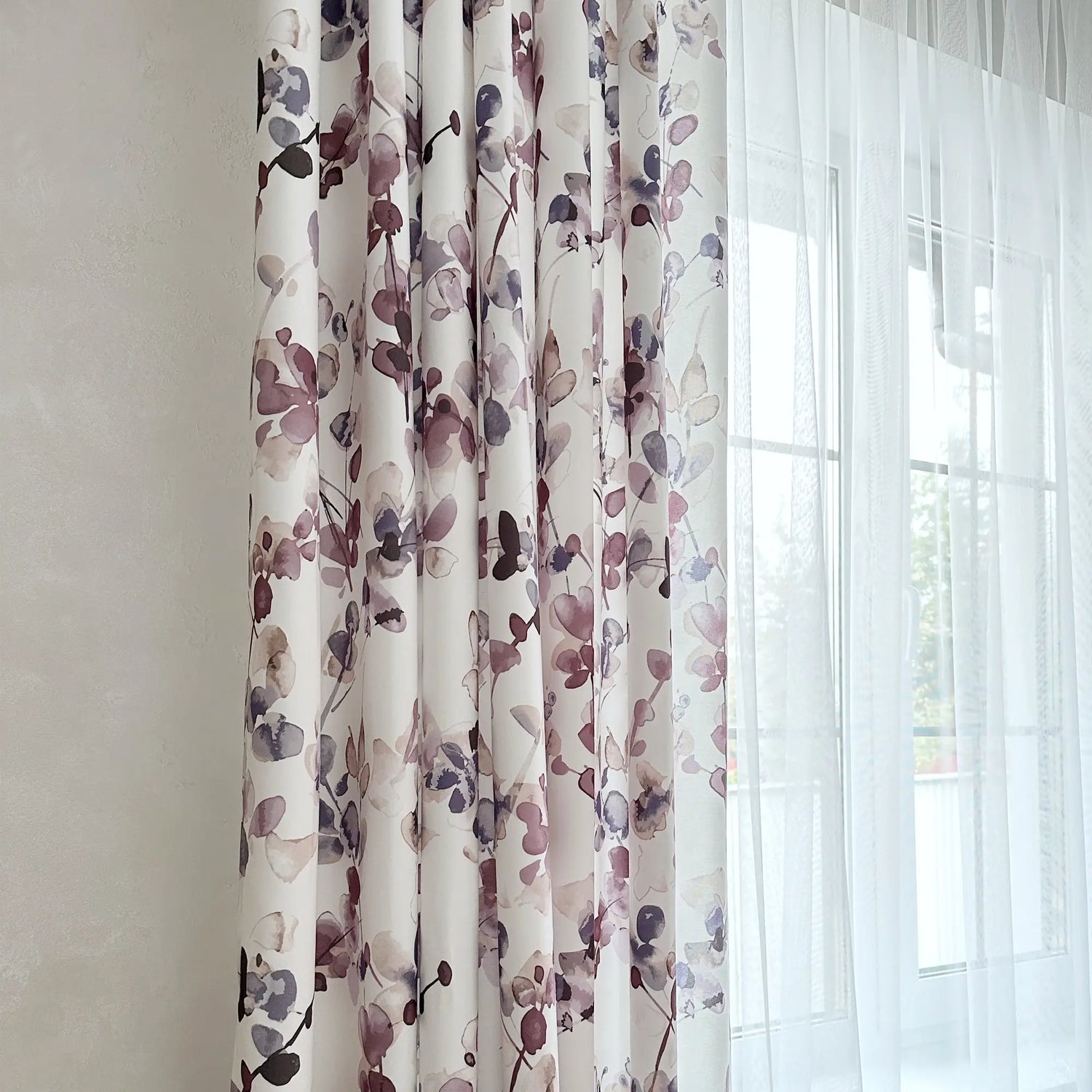
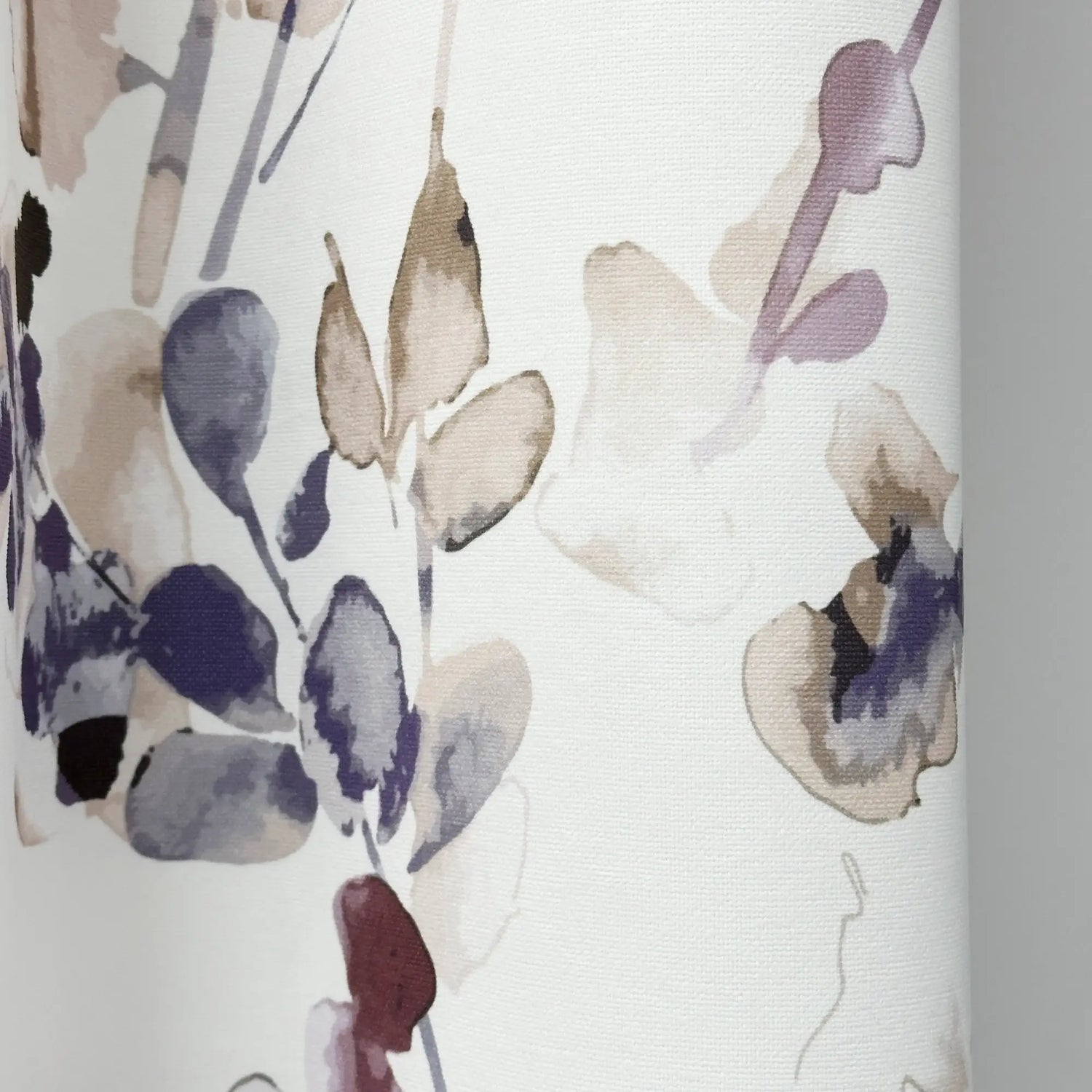
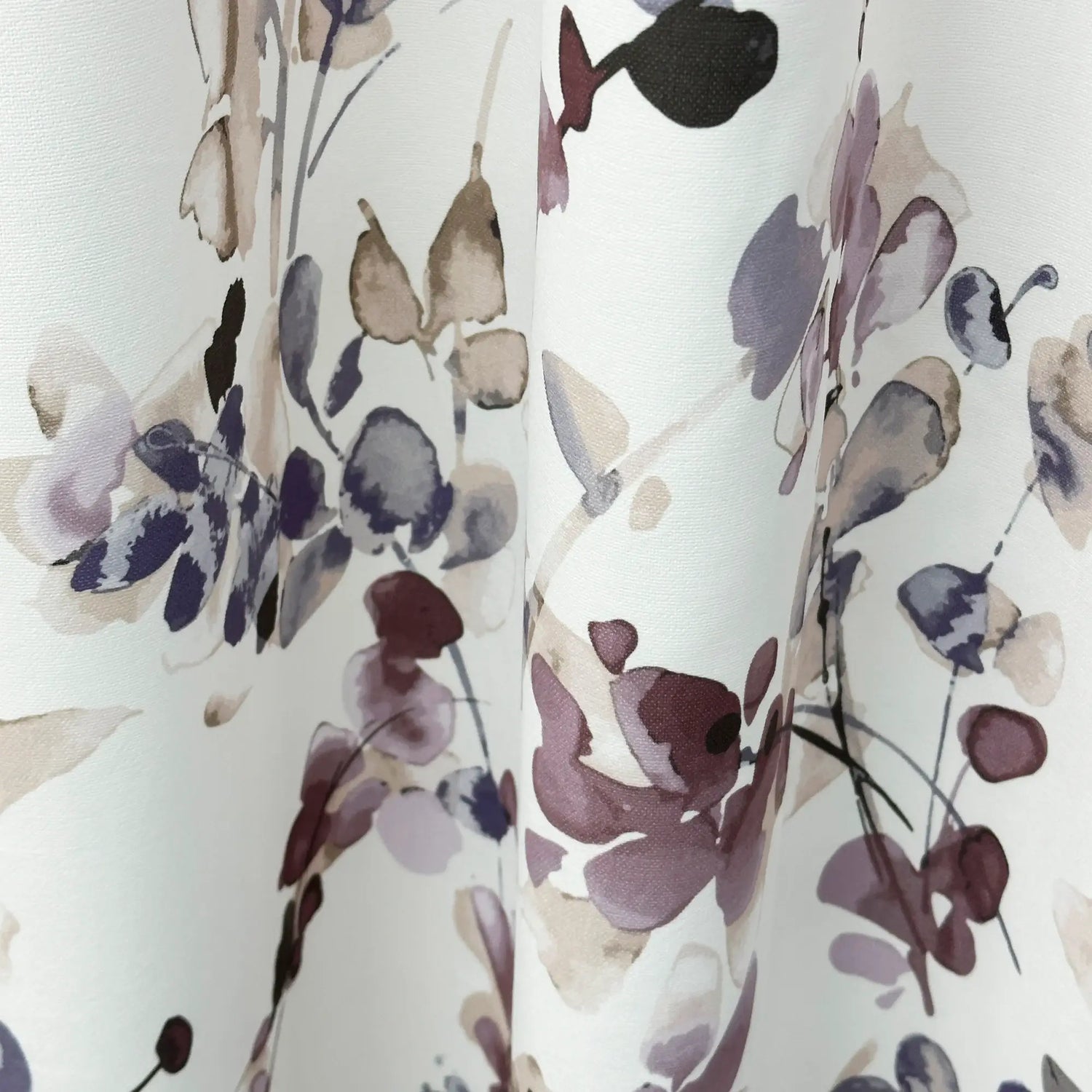
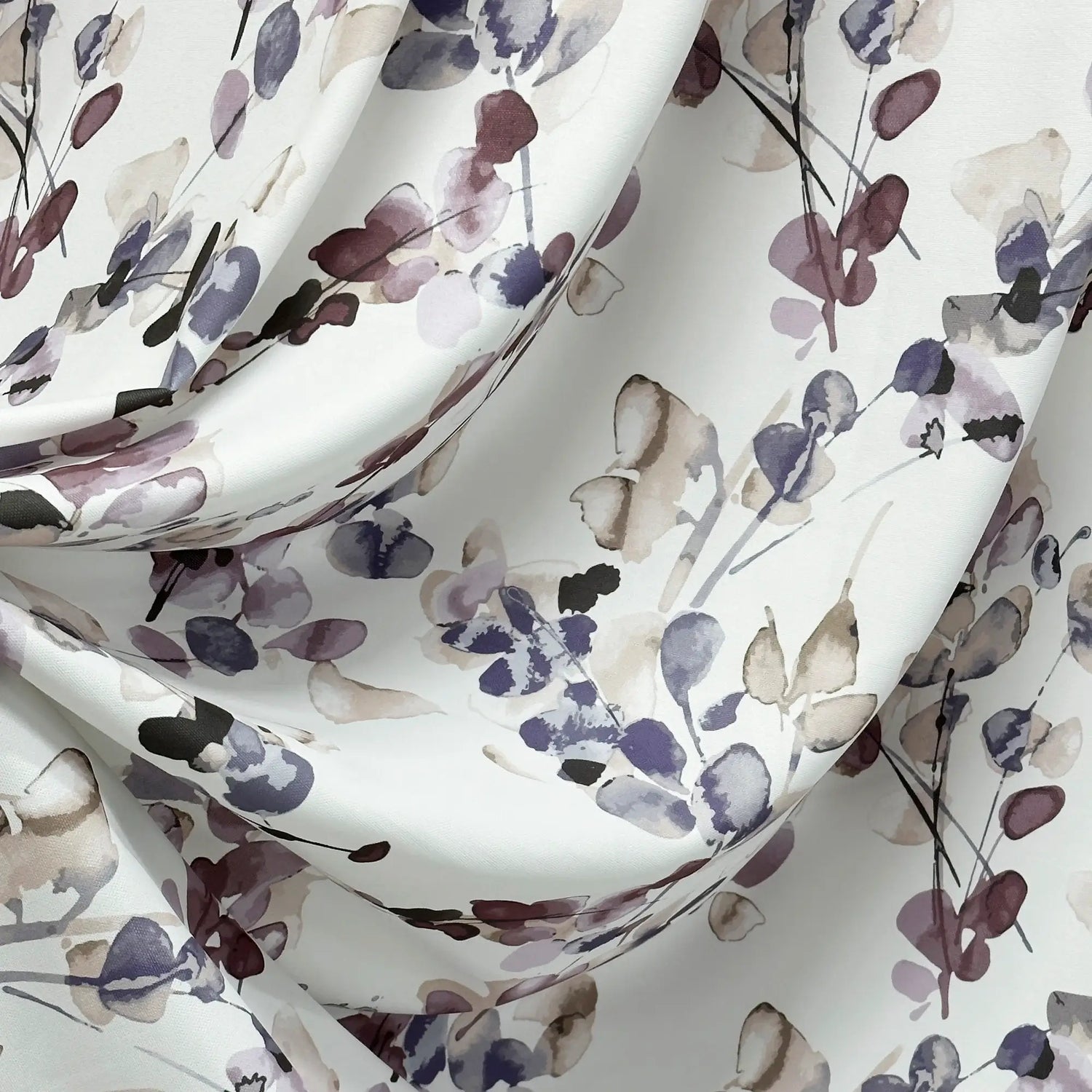
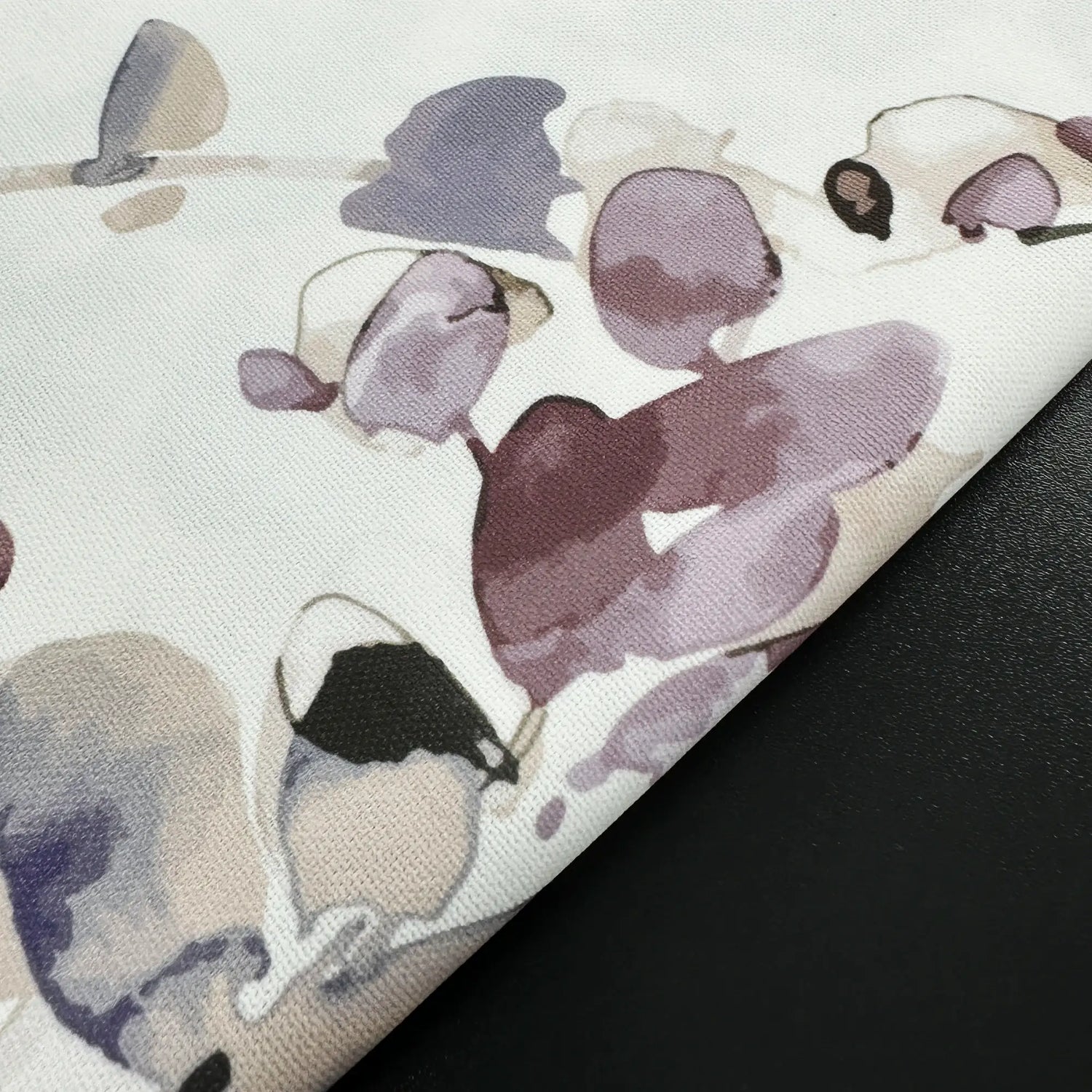
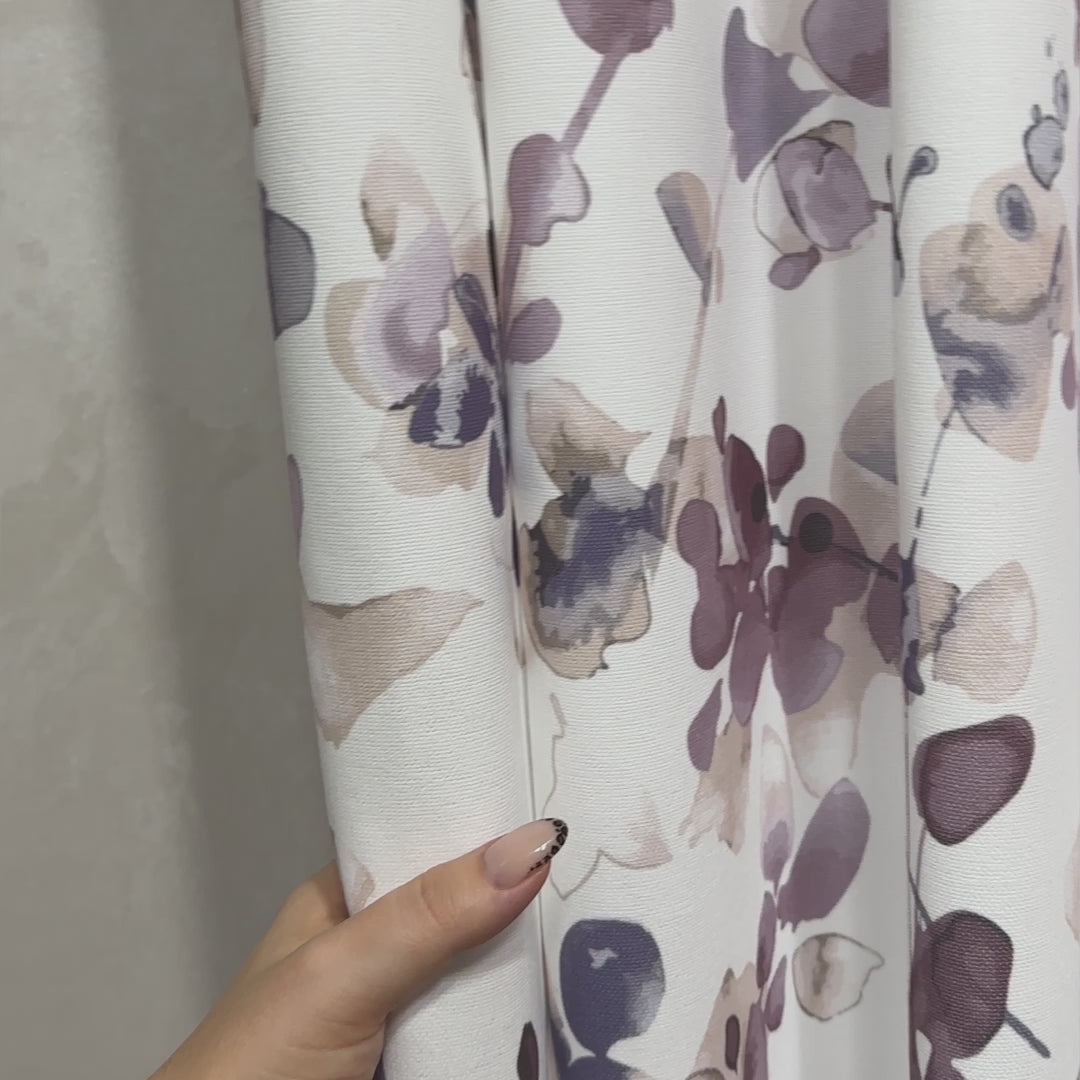
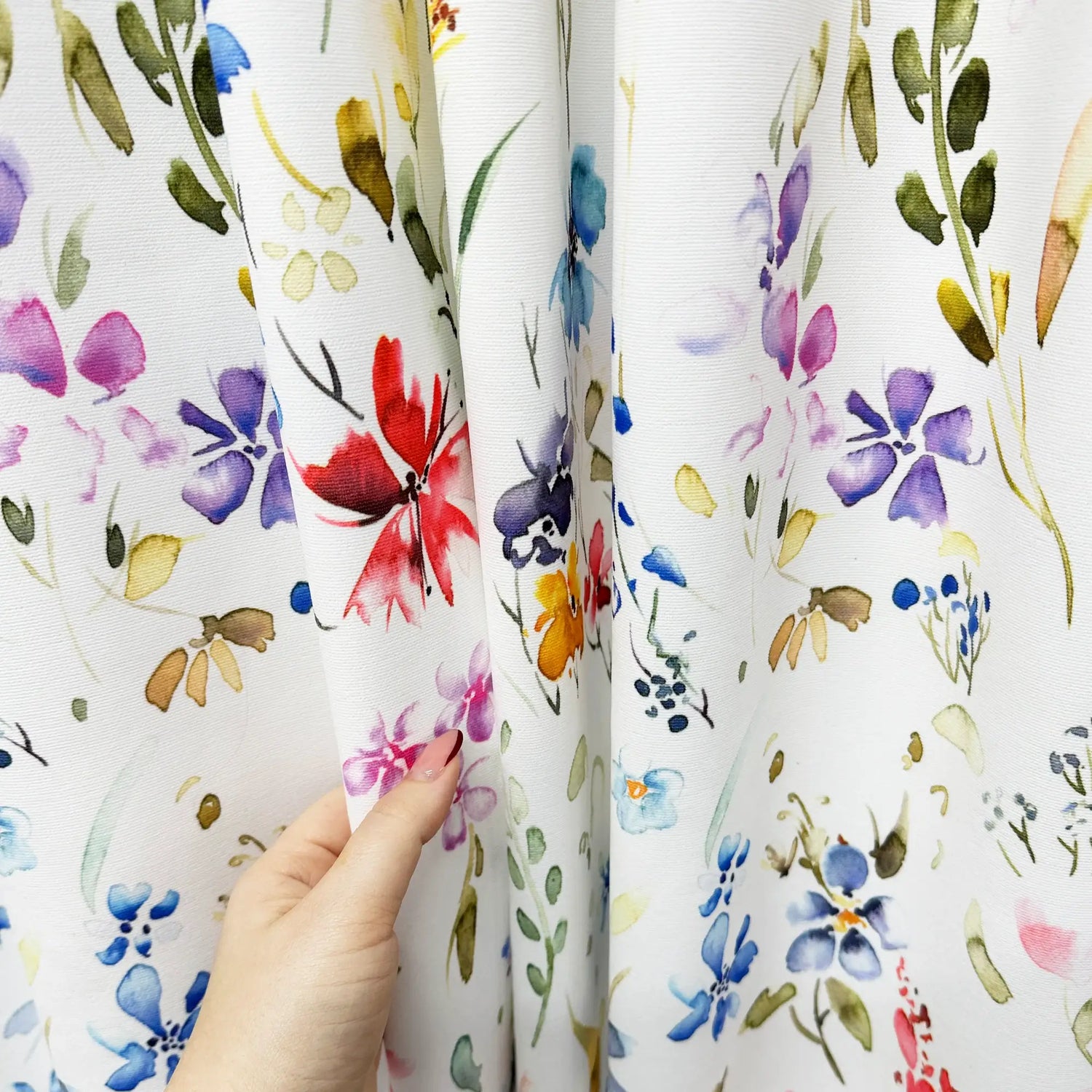
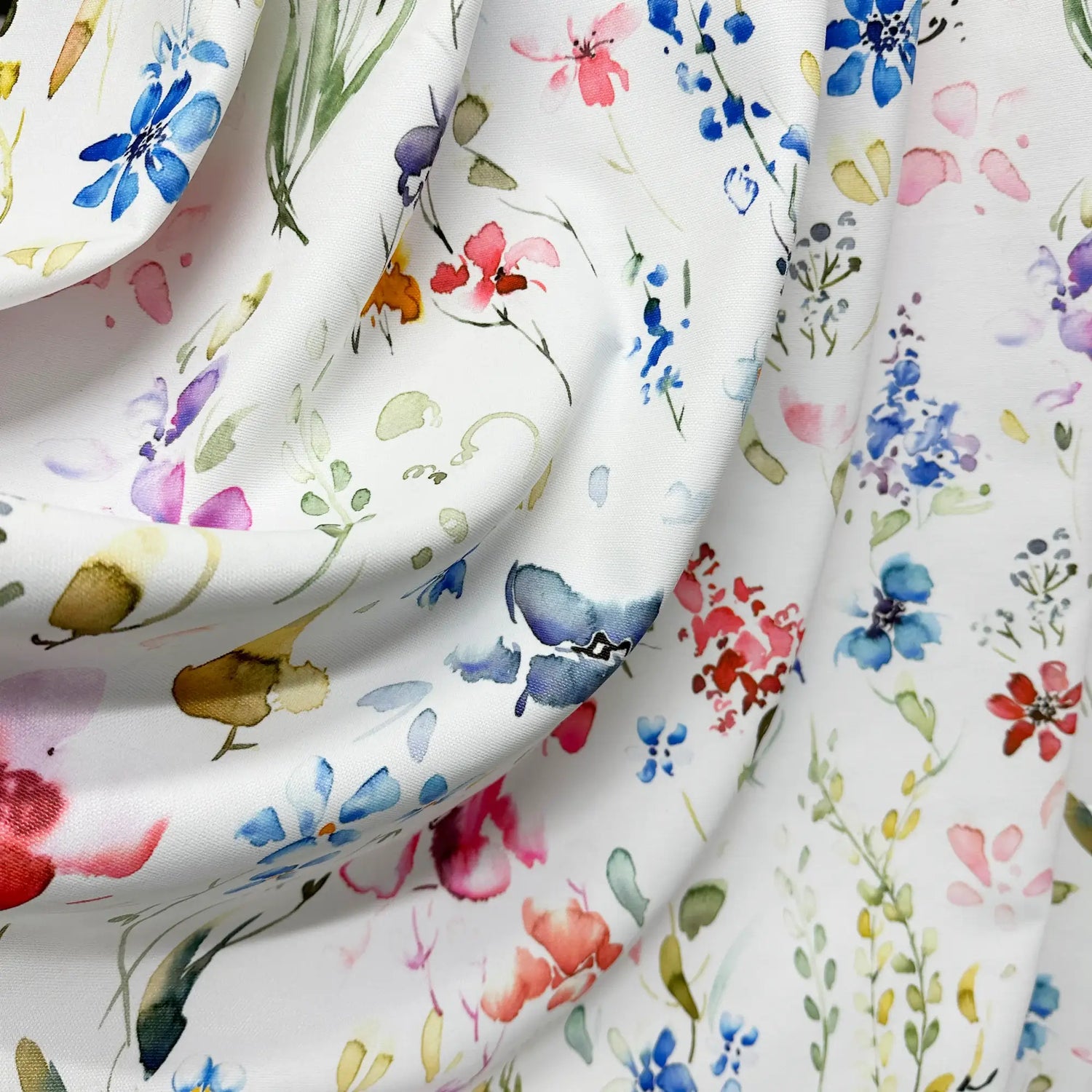
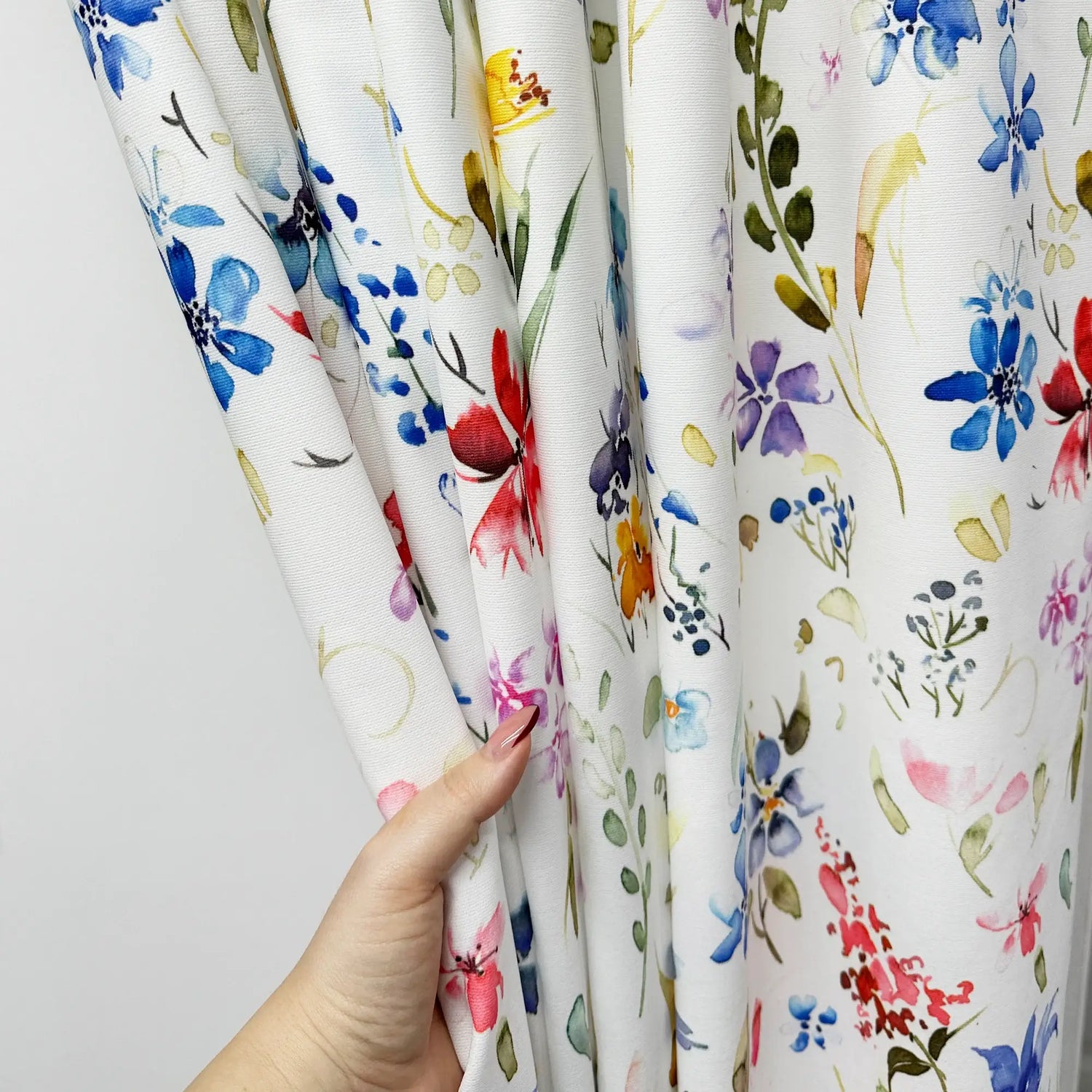
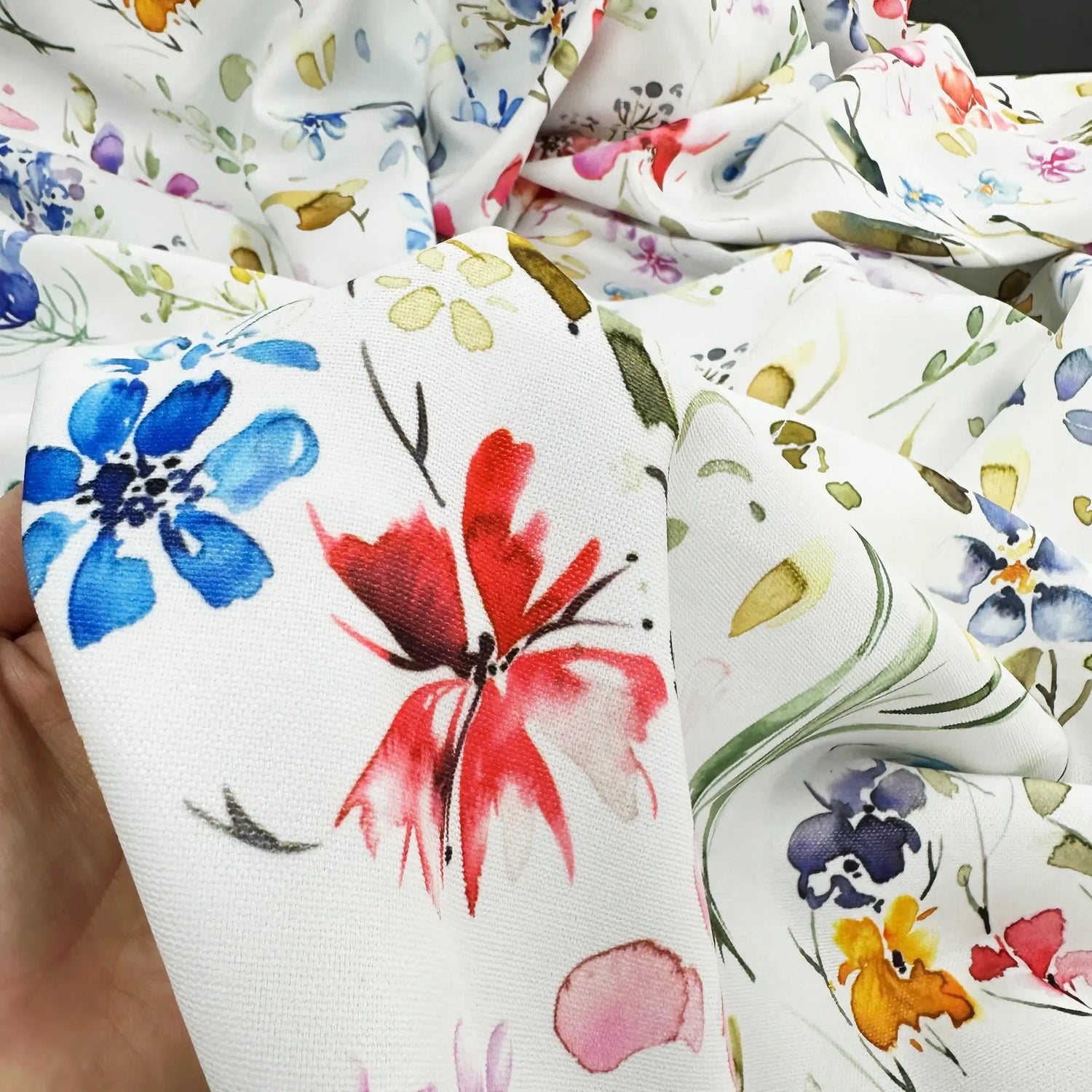
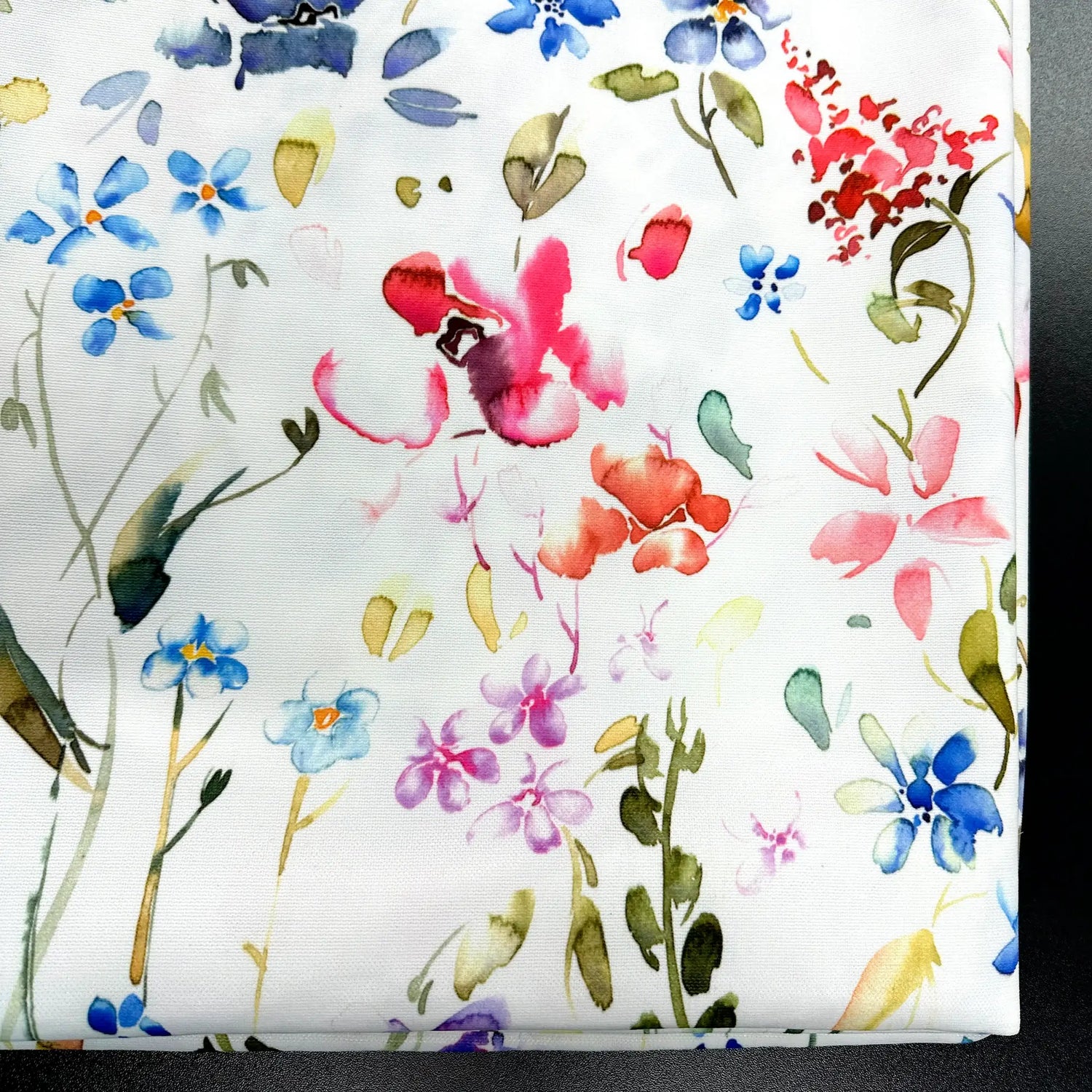
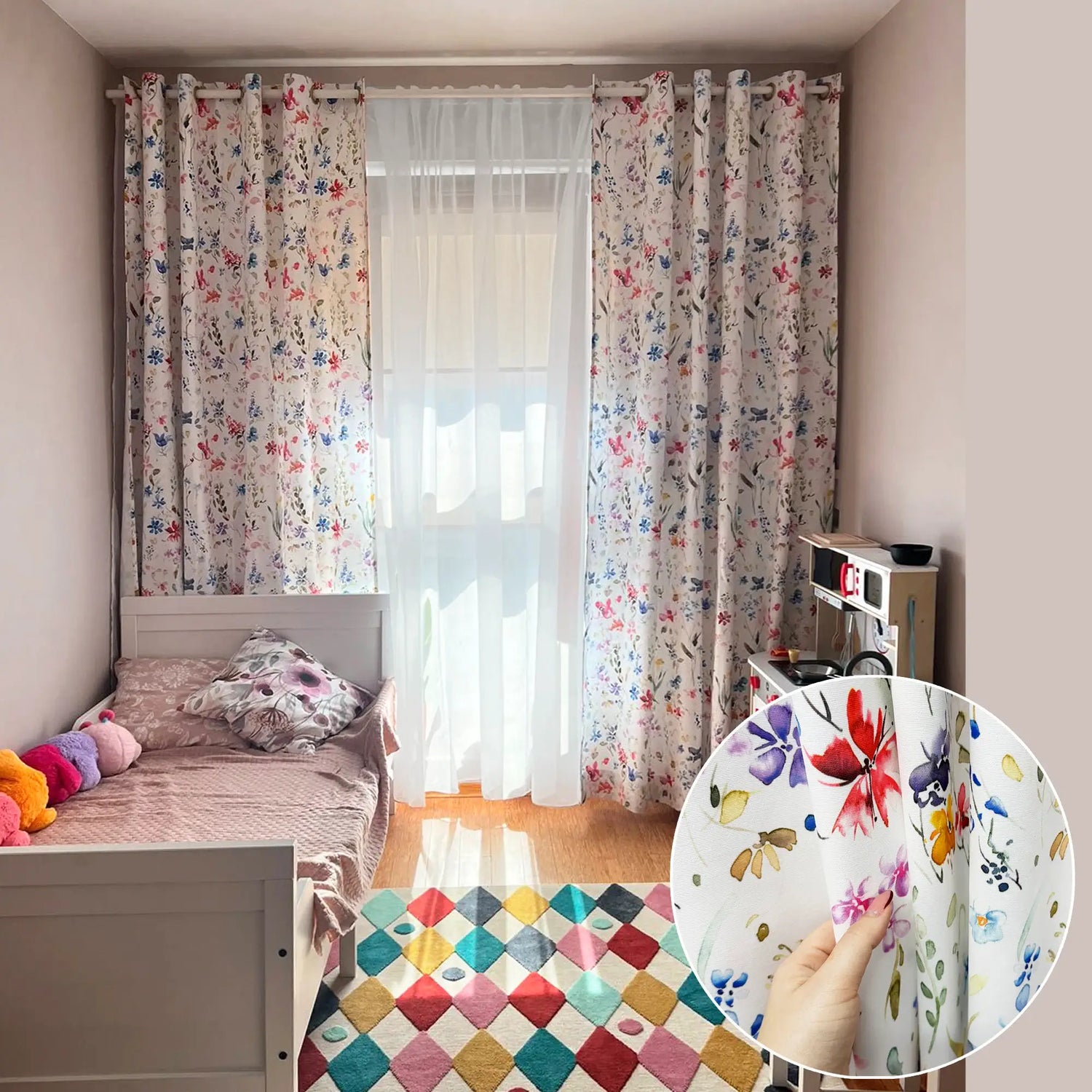
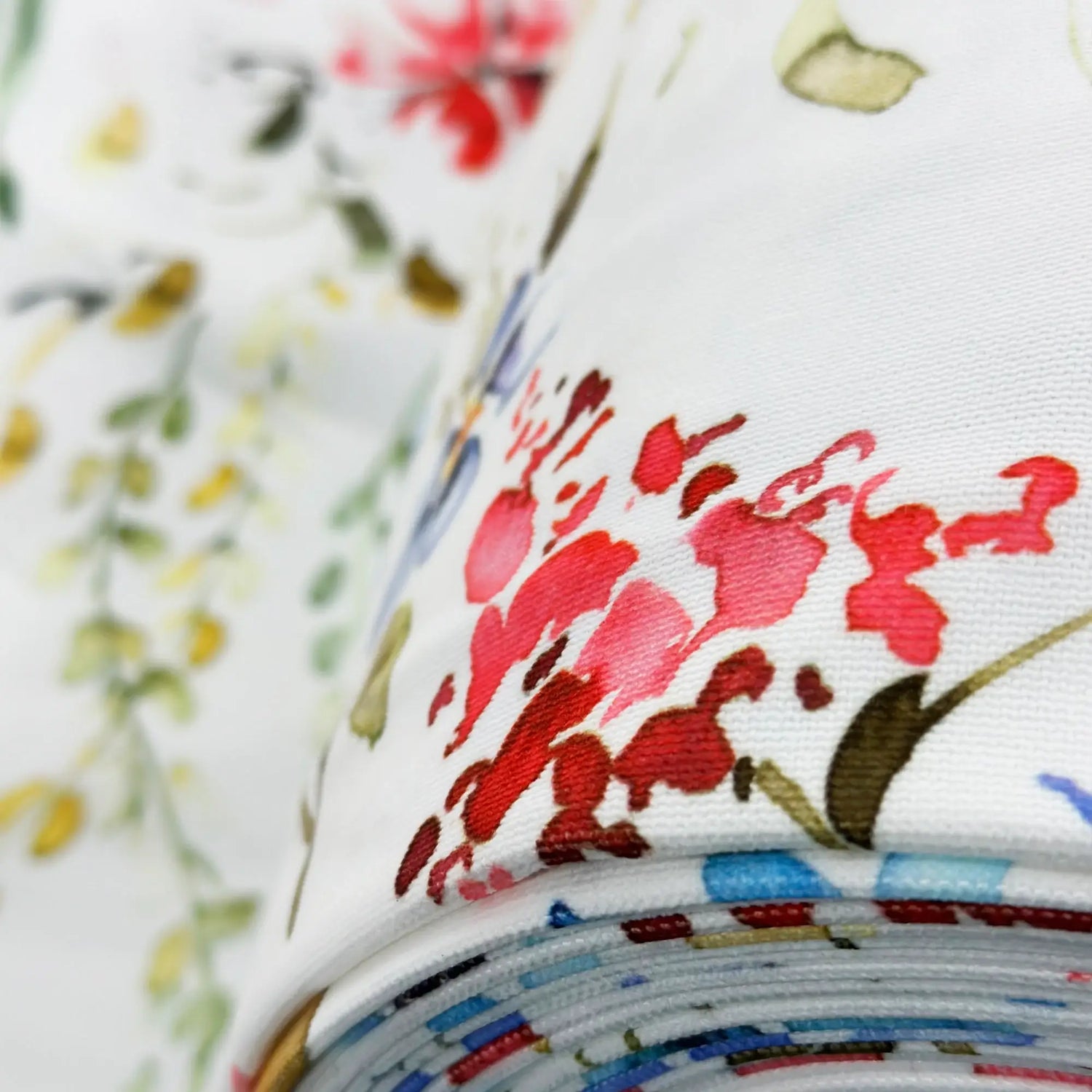
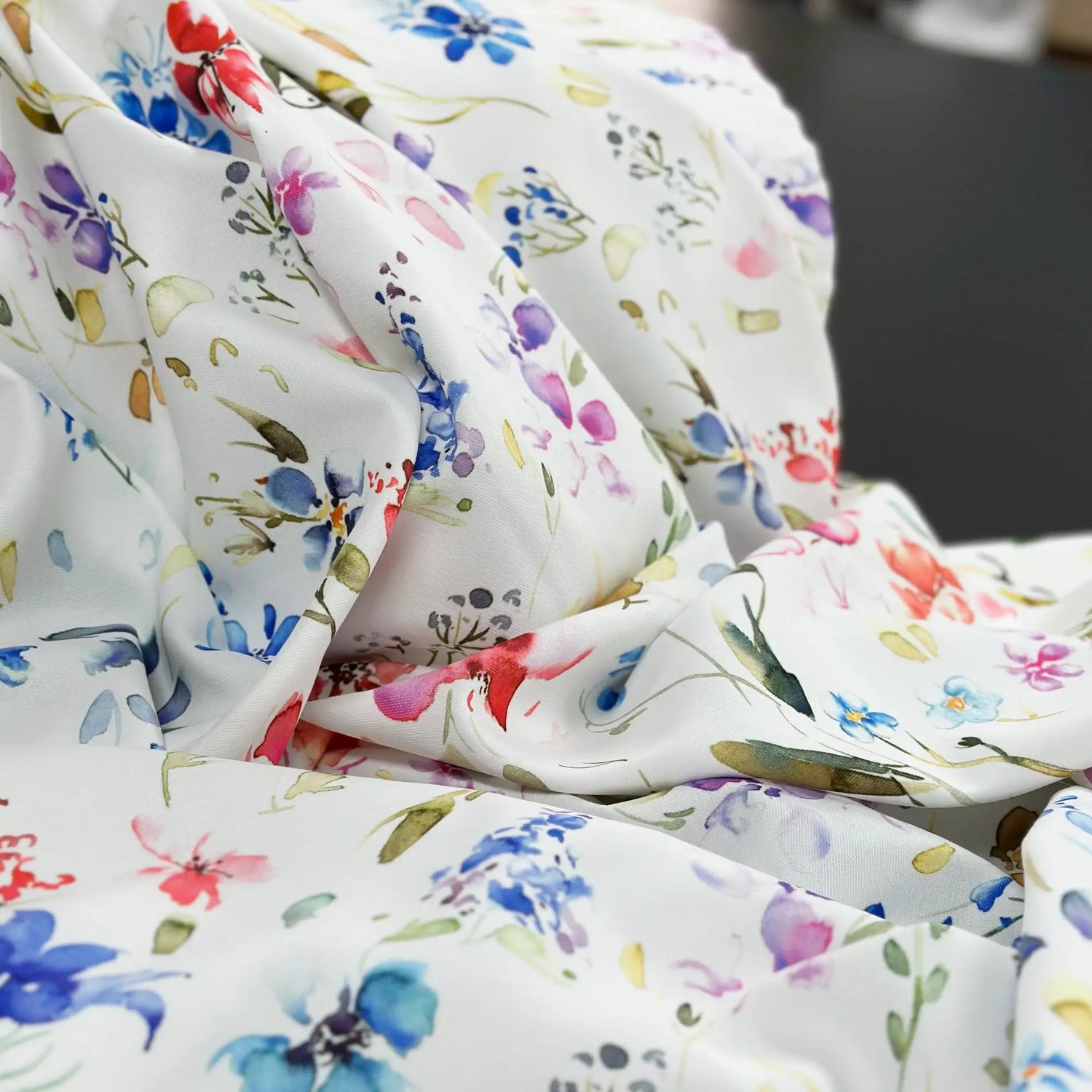
Unit price perTransform your kitchen, bedroom, or living room with these stunning floral patterned cottage curtains featuring delicate watercolor branches. Made from luxurious light velvet fabric, these curtains add a touch of elegance to your space but. Custom-made to fit your window perfectly, the soft and foldable fabric ensures a seamless drape. To achieve the best look, we recommend ordering 2-2.5 times the width of your rod measurement. With lengths available up to 106, these curtains will effortlessly enhance your room's design and bring a stylish accent to any decor. The blackout rate is 60%, but for added privacy, simply opt for additional blackout lining. Elevate your space with these beautiful and functional curtains today!
These curtains will be manufactured on the customer's request only and cannot be exchanged or returned.
- Deviations from the sizes up to 0.5" are possible.
- Care instruction: Machine wash on gentle mode, no soaking, no bleaching. No dryer. Air dry only. Iron at low temperature (polyester setting) or use steam.
- Actual color may slightly vary from the picture due to various display monitors and reproduction of the actual product.
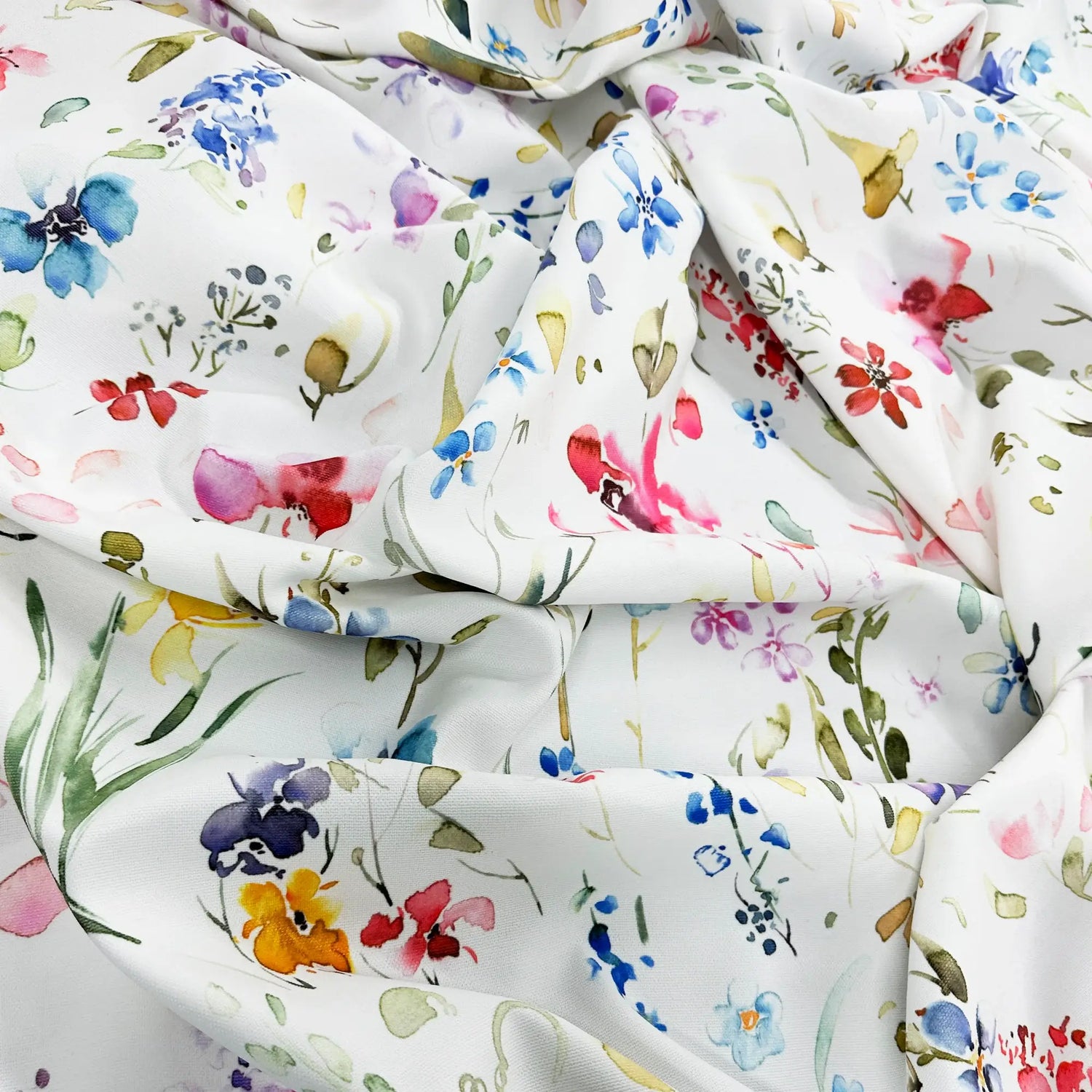
From $5.00
Unit price perFrom $5.00
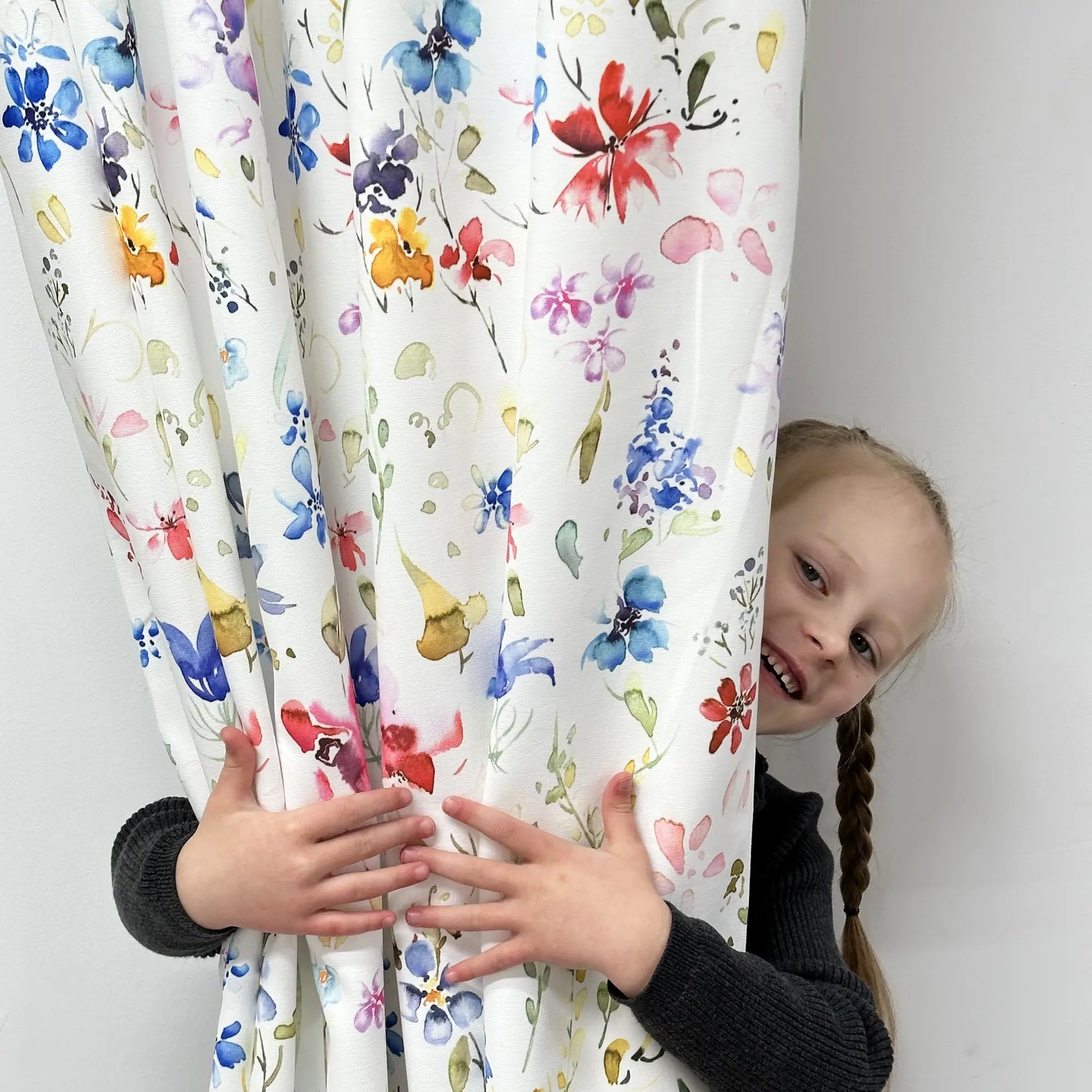
Unit price perSoft fabric with a delicate watercolor pattern of flowers. The fabric is soft and folds good. I sew these curtains according to the measurements of your window.
For the best view i propose to chose 2 - 2.5 times the width of the actual rod measurement.
These curtains will be manufactured on the customer's request only and cannot be exchanged or returned.
- Deviations from the sizes up to 0.5" are possible.
- Care instruction: Machine wash on gentle mode, no soaking, no bleaching. No dryer. Air dry only. Iron at low temperature (polyester setting) or use steam.
- Actual color may slightly vary from the picture due to various display monitors and reproduction of the actual product.


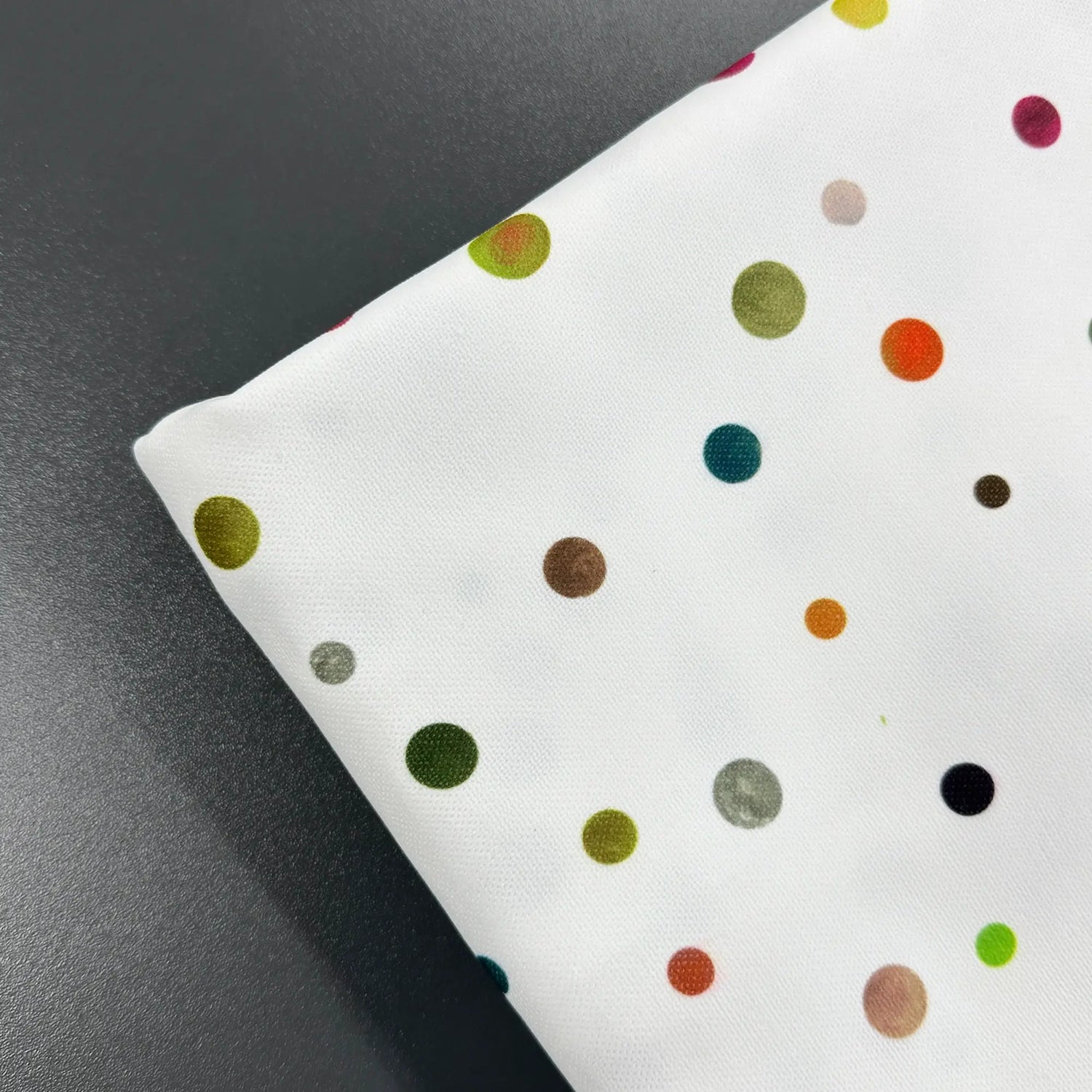
From $5.00
Unit price perFrom $5.00
Unit price perSoft fabric with a delicate colorful polka dot pattern. The fabric is soft and folds good. I sew these curtains according to the measurements of your window.
For the best view i propose to chose 2 - 2.5 times the width of the actual rod measurement.
These curtains will be manufactured on the customer's request only and cannot be exchanged or returned.
- Deviations from the sizes up to 0.5" are possible.
- Care instruction: Machine wash on gentle mode, no soaking, no bleaching. No dryer. Air dry only. Iron at low temperature (polyester setting) or use steam.
- Actual color may slightly vary from the picture due to various display monitors and reproduction of the actual product.
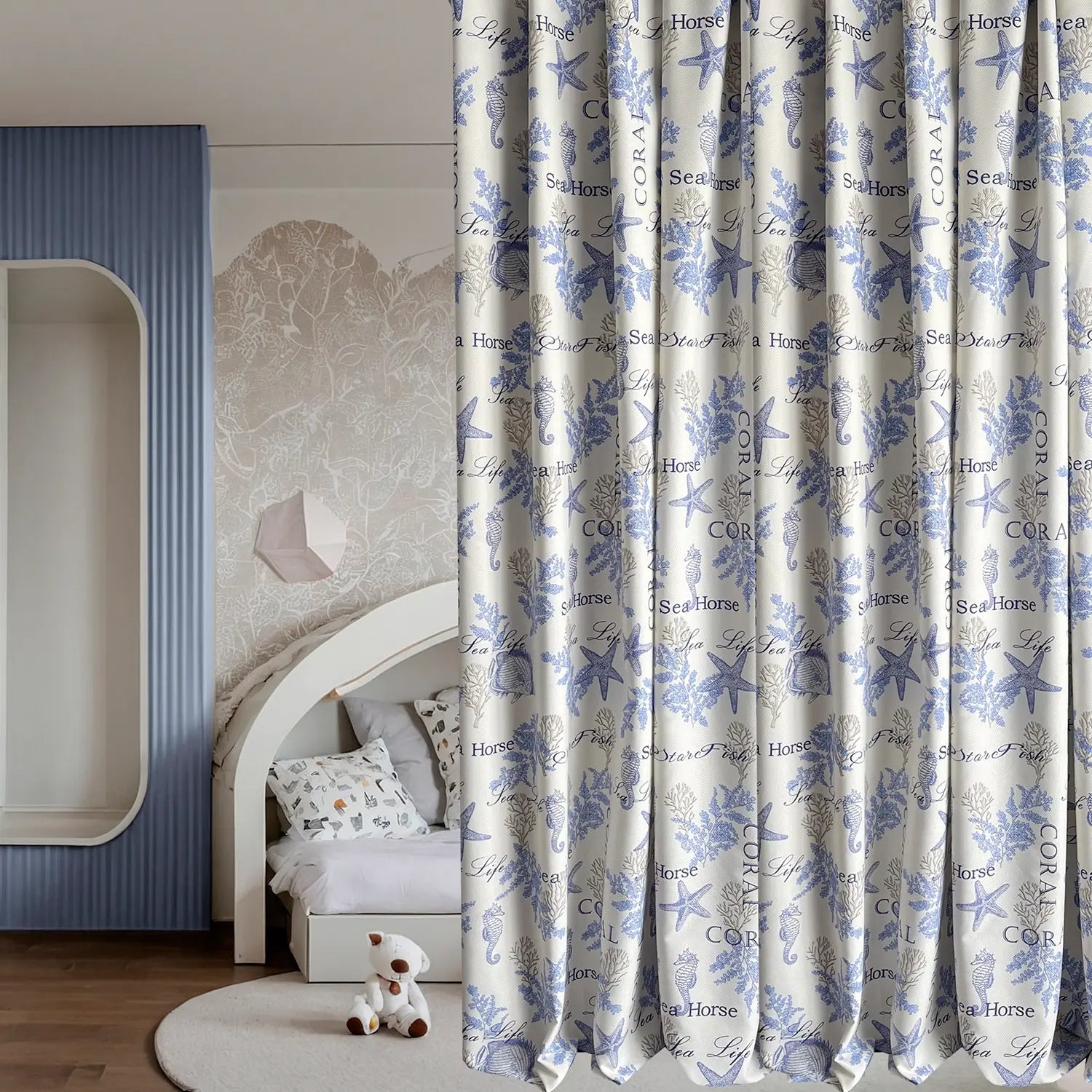
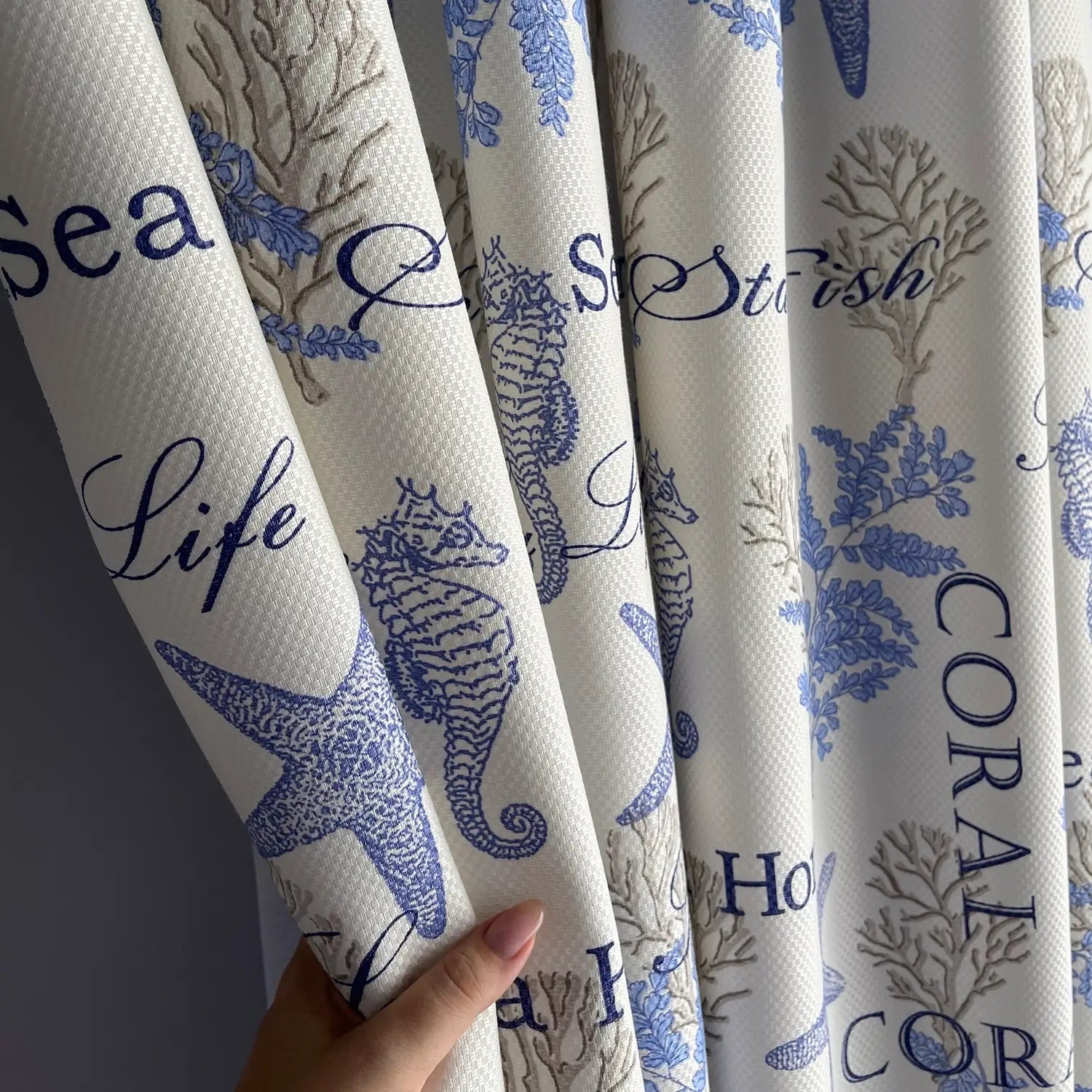
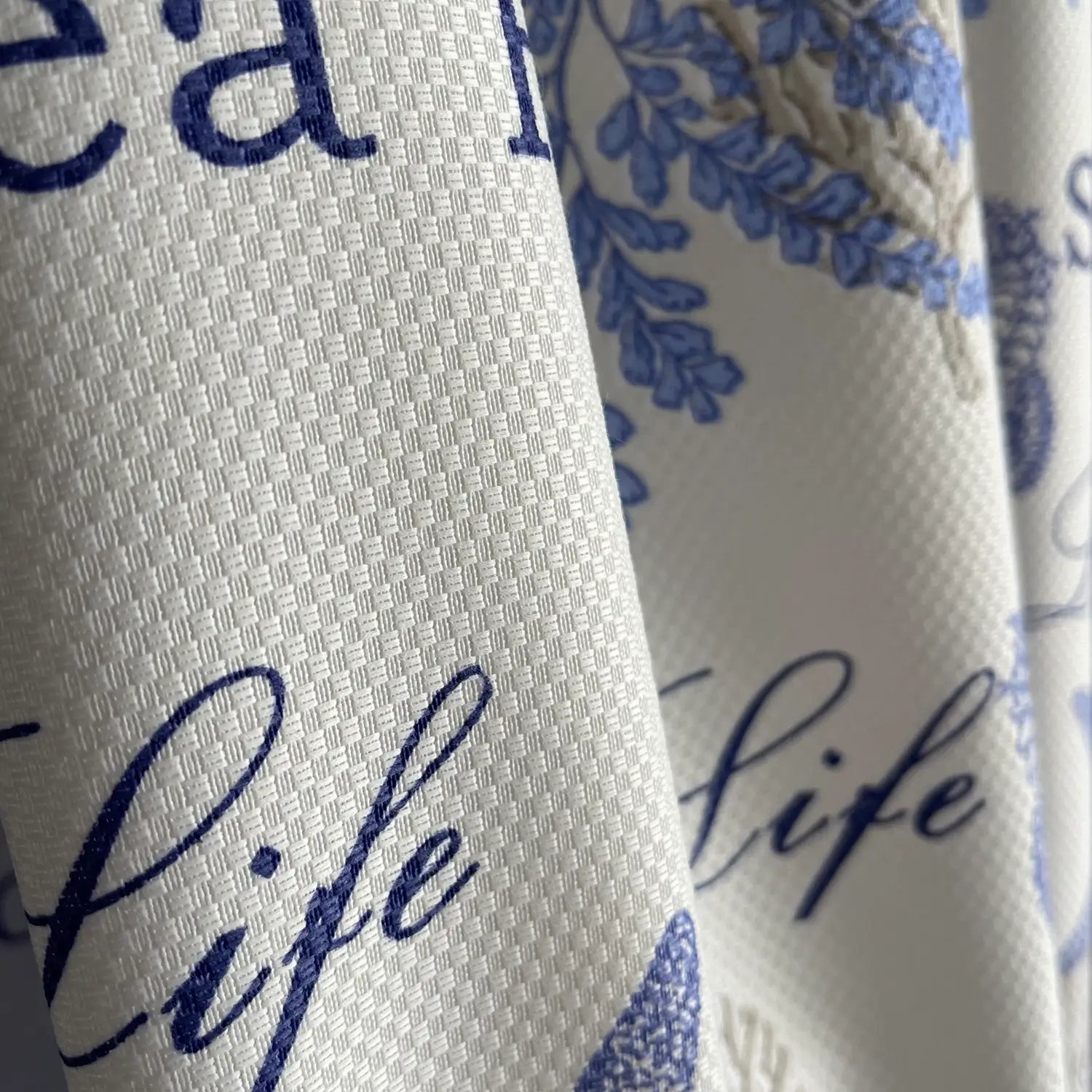
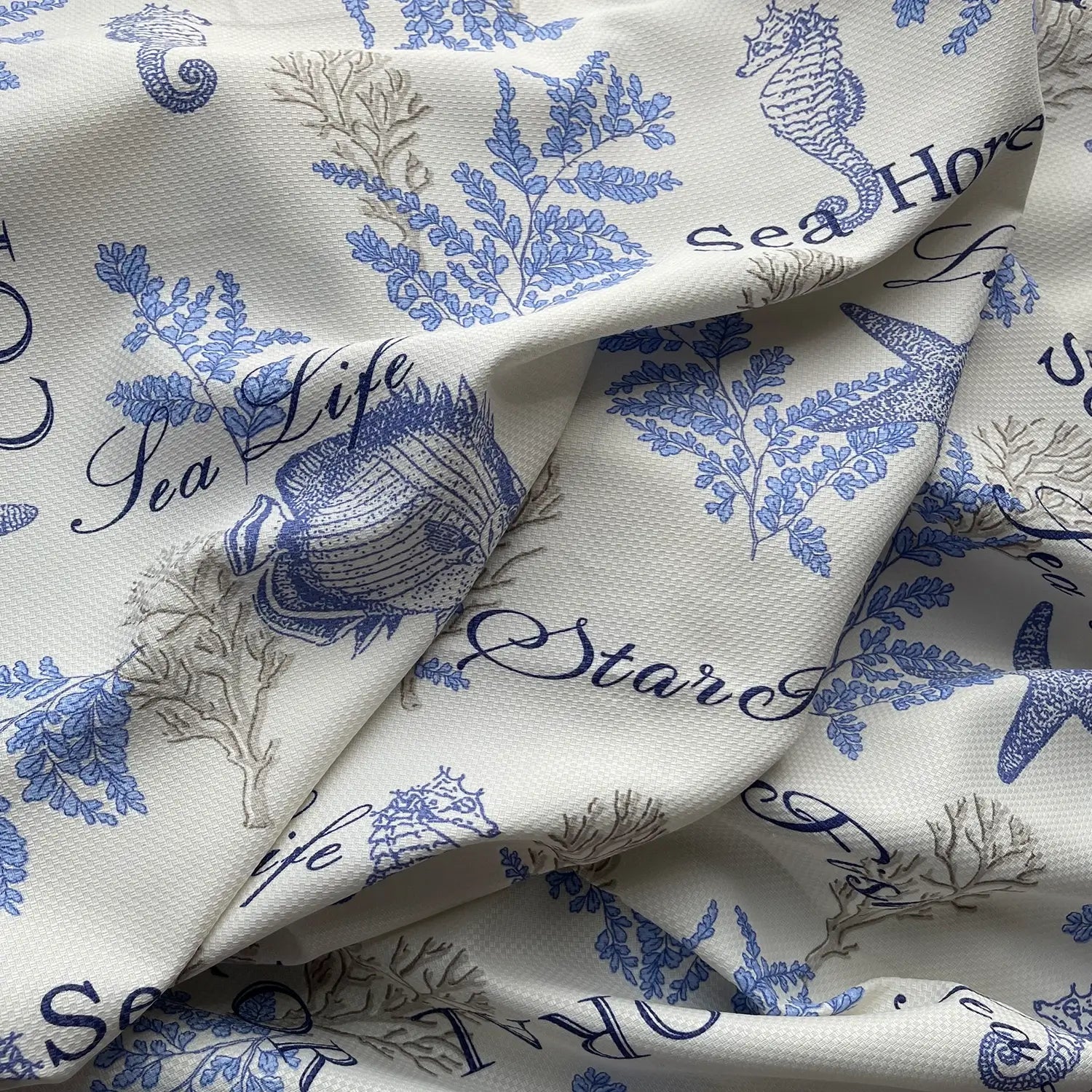
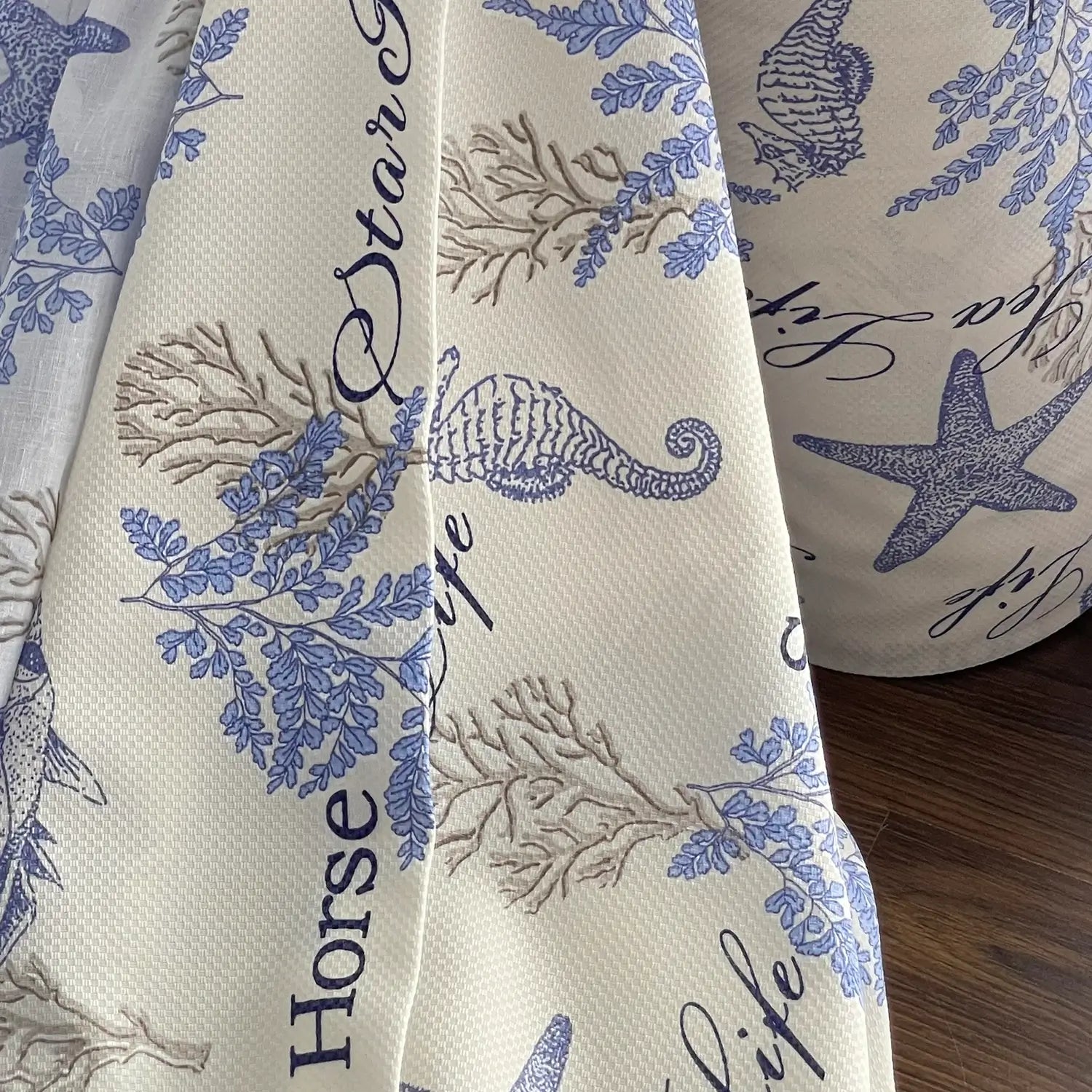
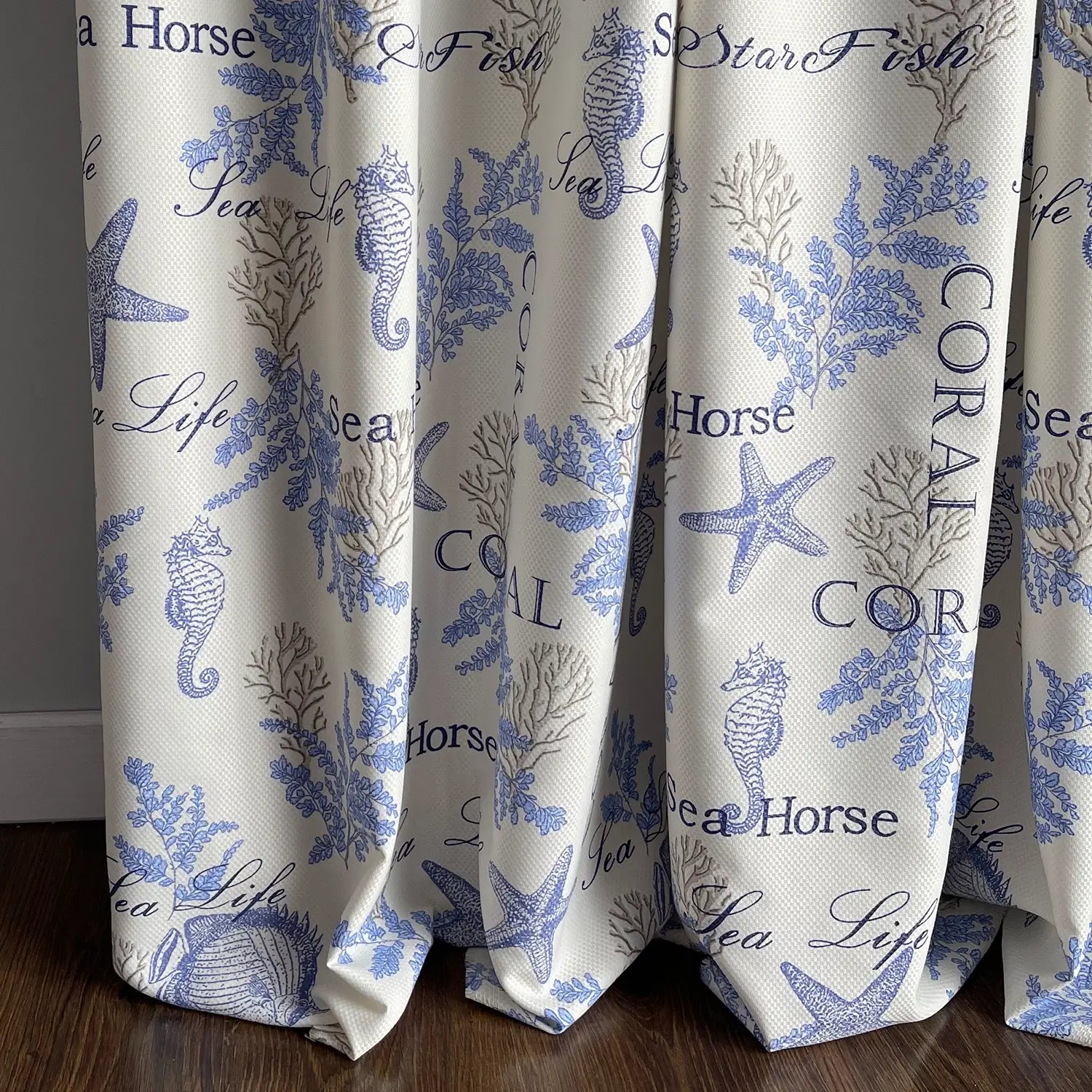
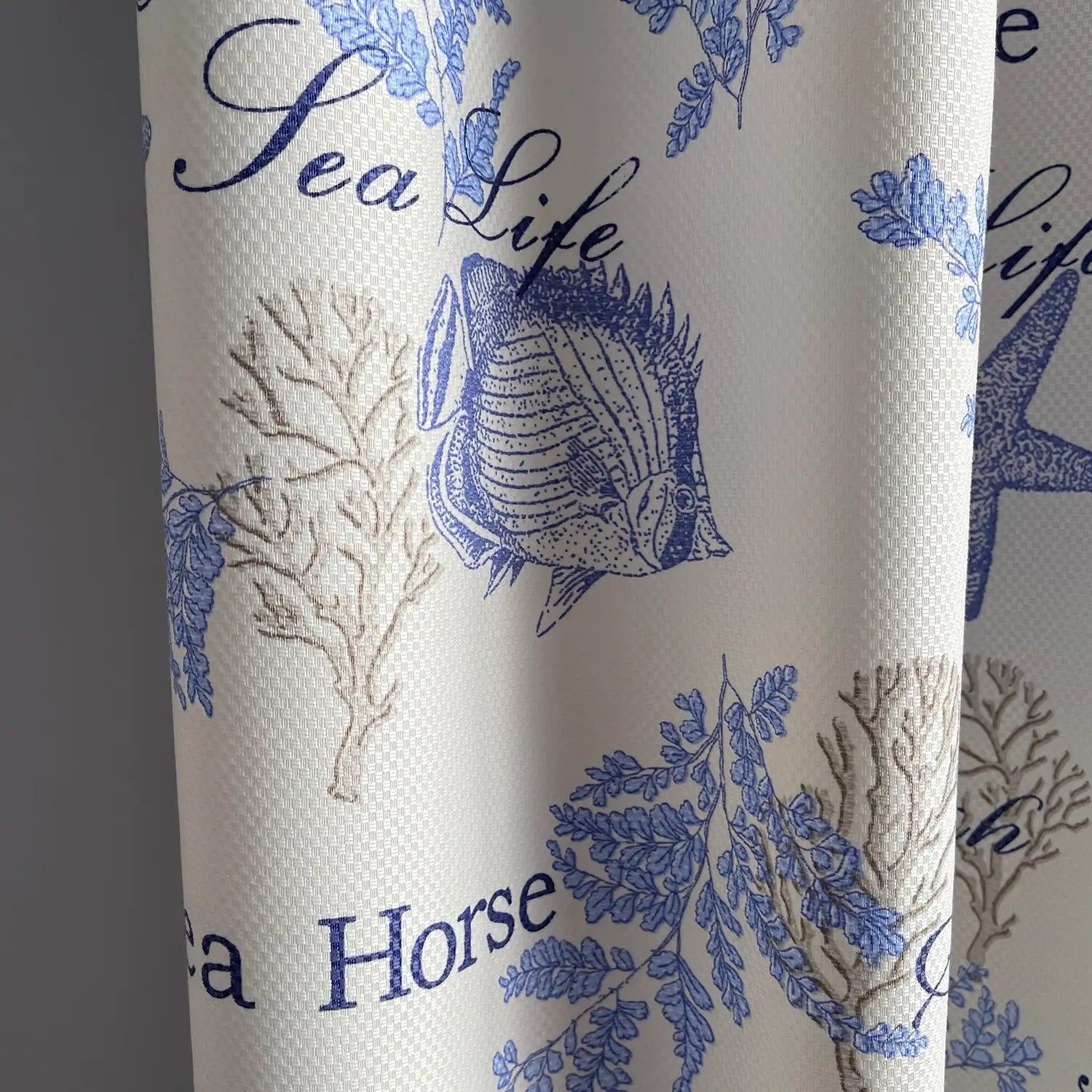
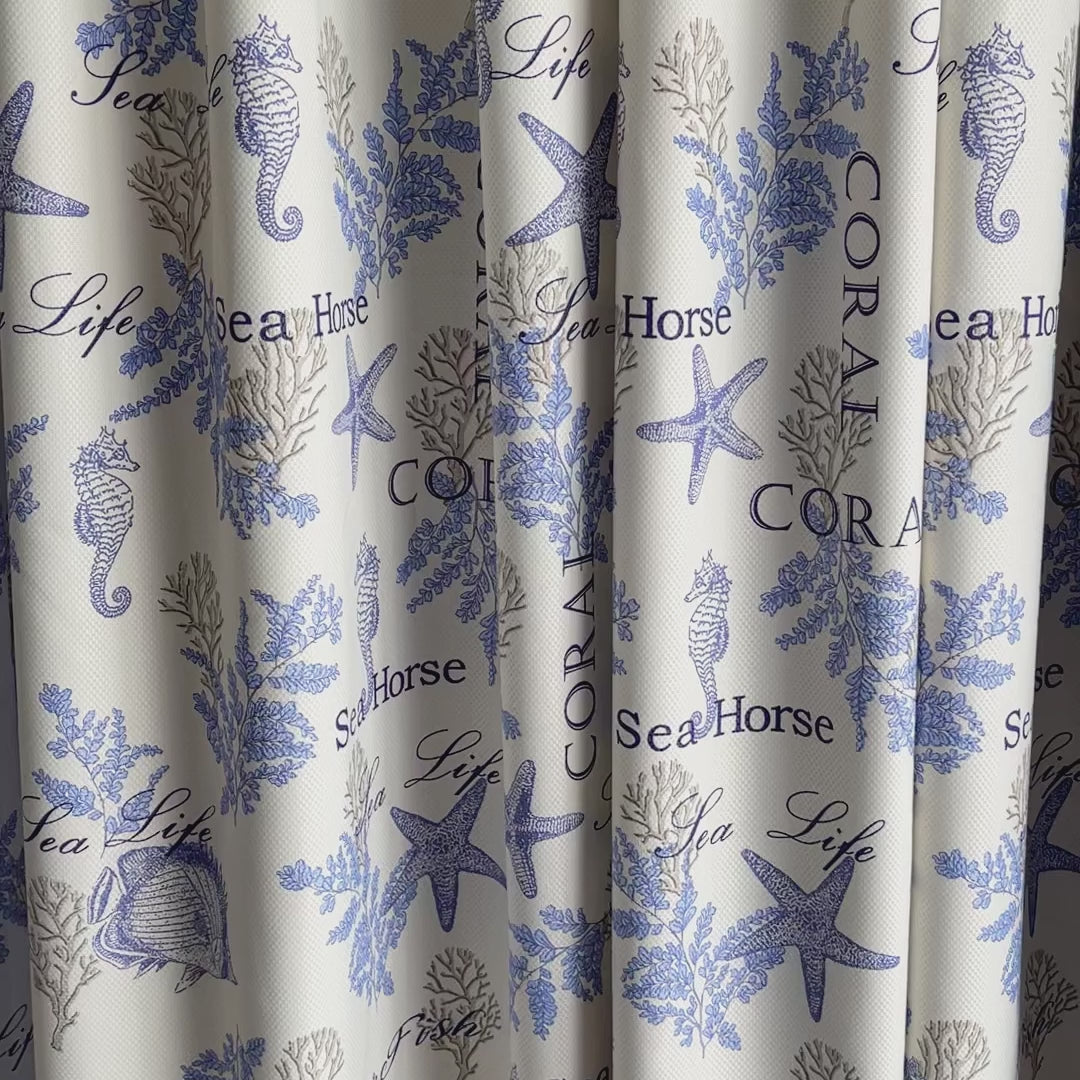
Curtains can be used in the children's room, the boy's room, nursery. We make curtains to the sizes that will best suit your window.
These curtains will be manufactured on the customer's request only and cannot be exchanged or returned.
- Deviations from the sizes up to 0.5" are possible.
- Care instruction: Machine wash on gentle mode, no soaking, no bleaching. No dryer. Air dry only. Iron at low temperature (polyester setting) or use steam.
- Actual color may slightly vary from the picture due to various display monitors and reproduction of the actual product.

From $5.00
Unit price perFrom $5.00
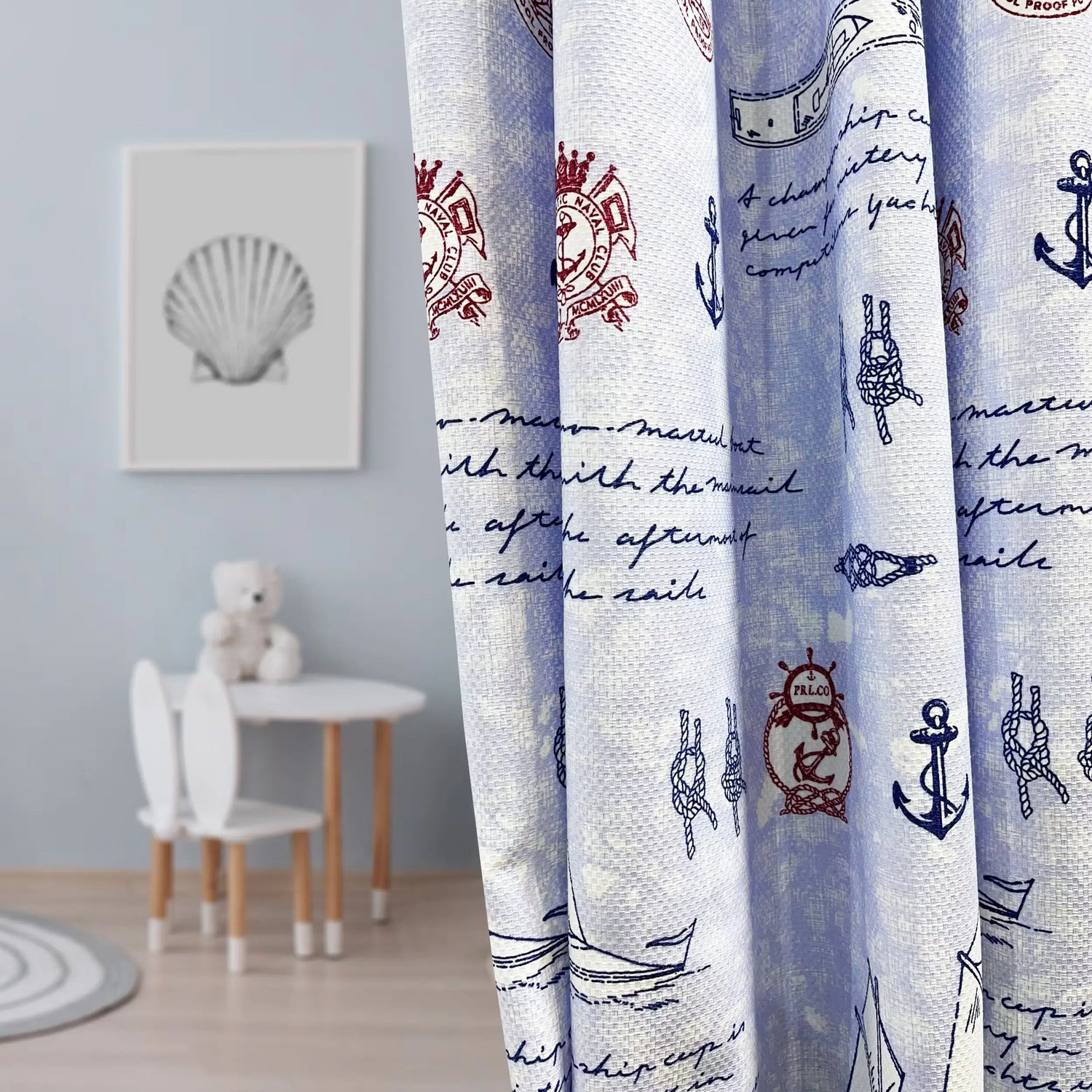
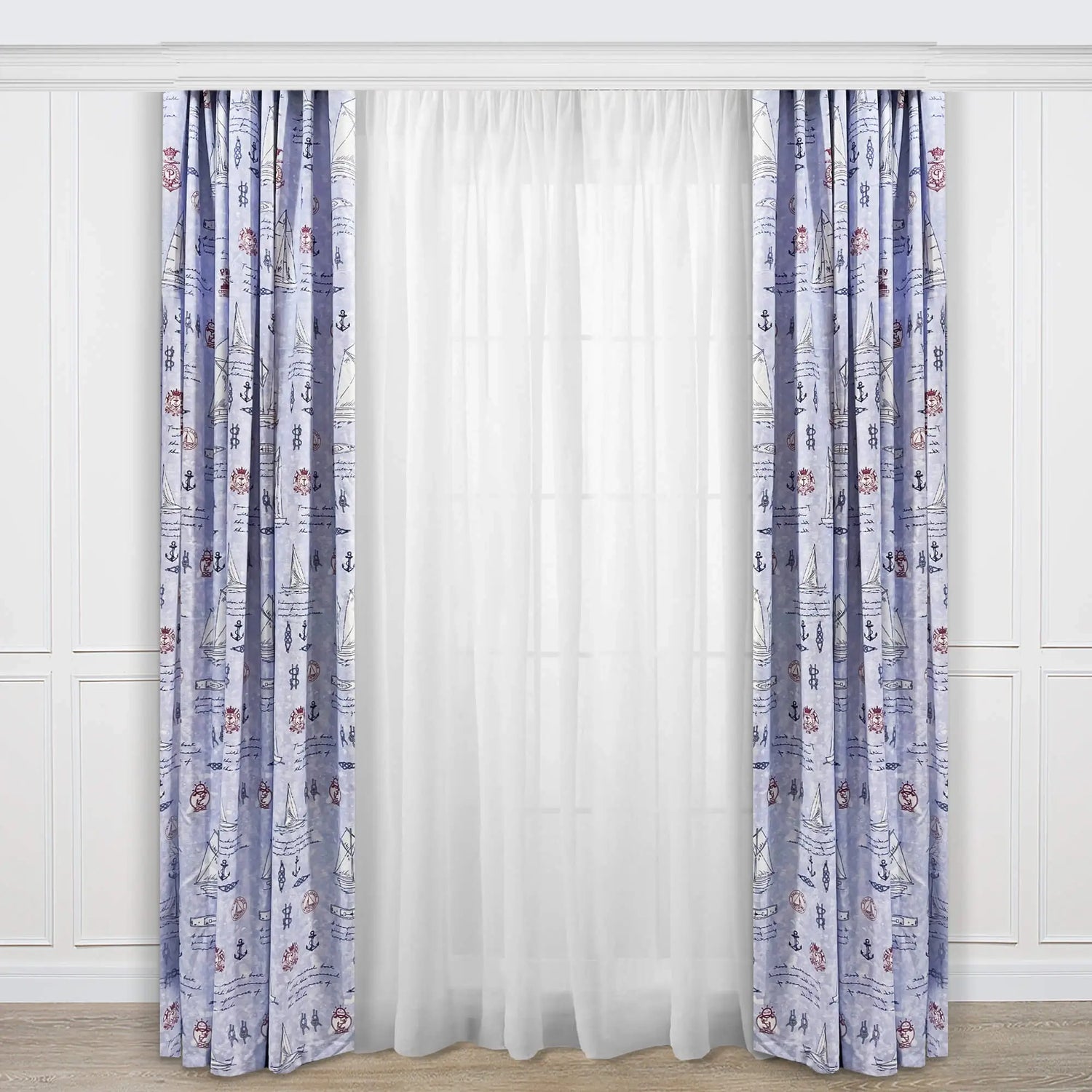
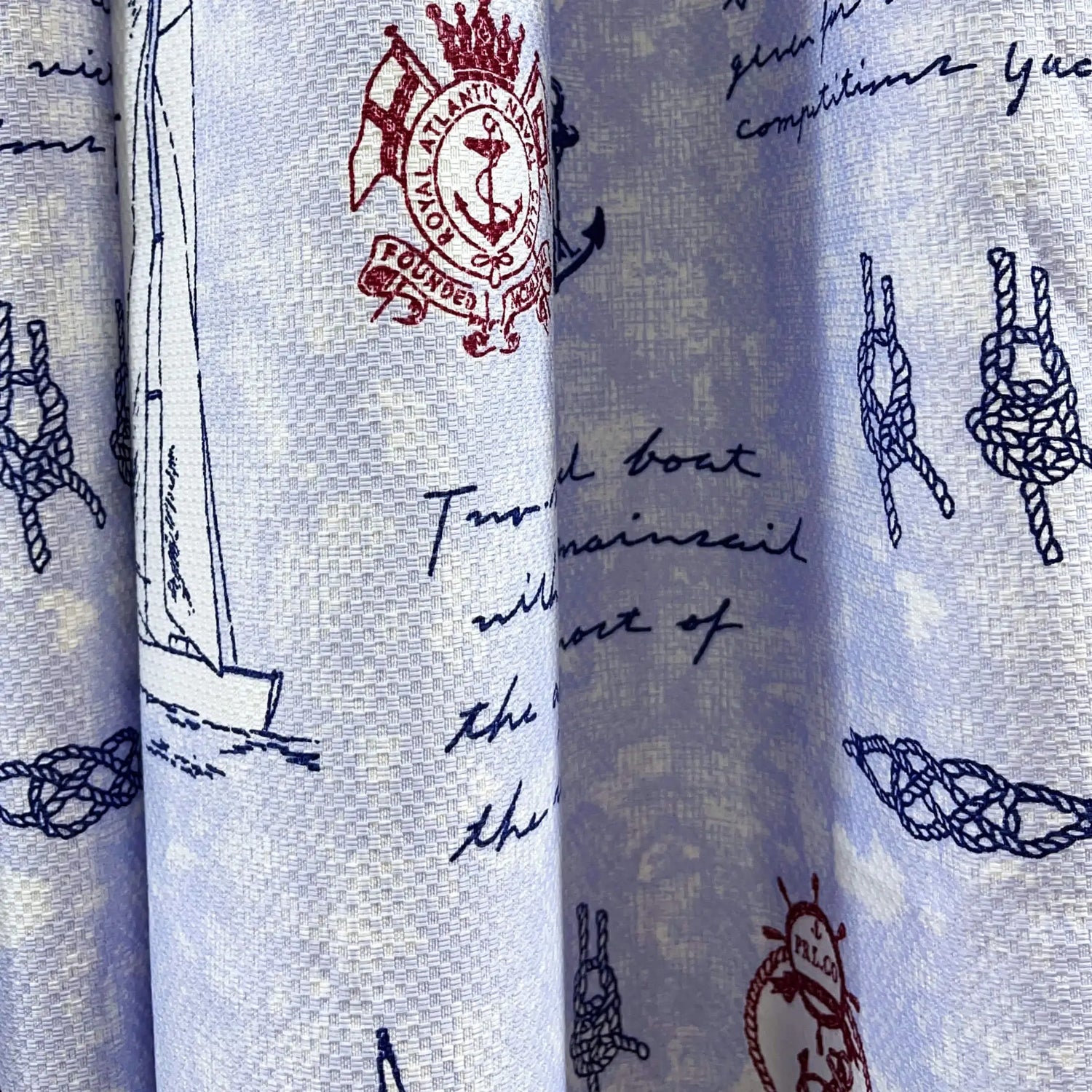
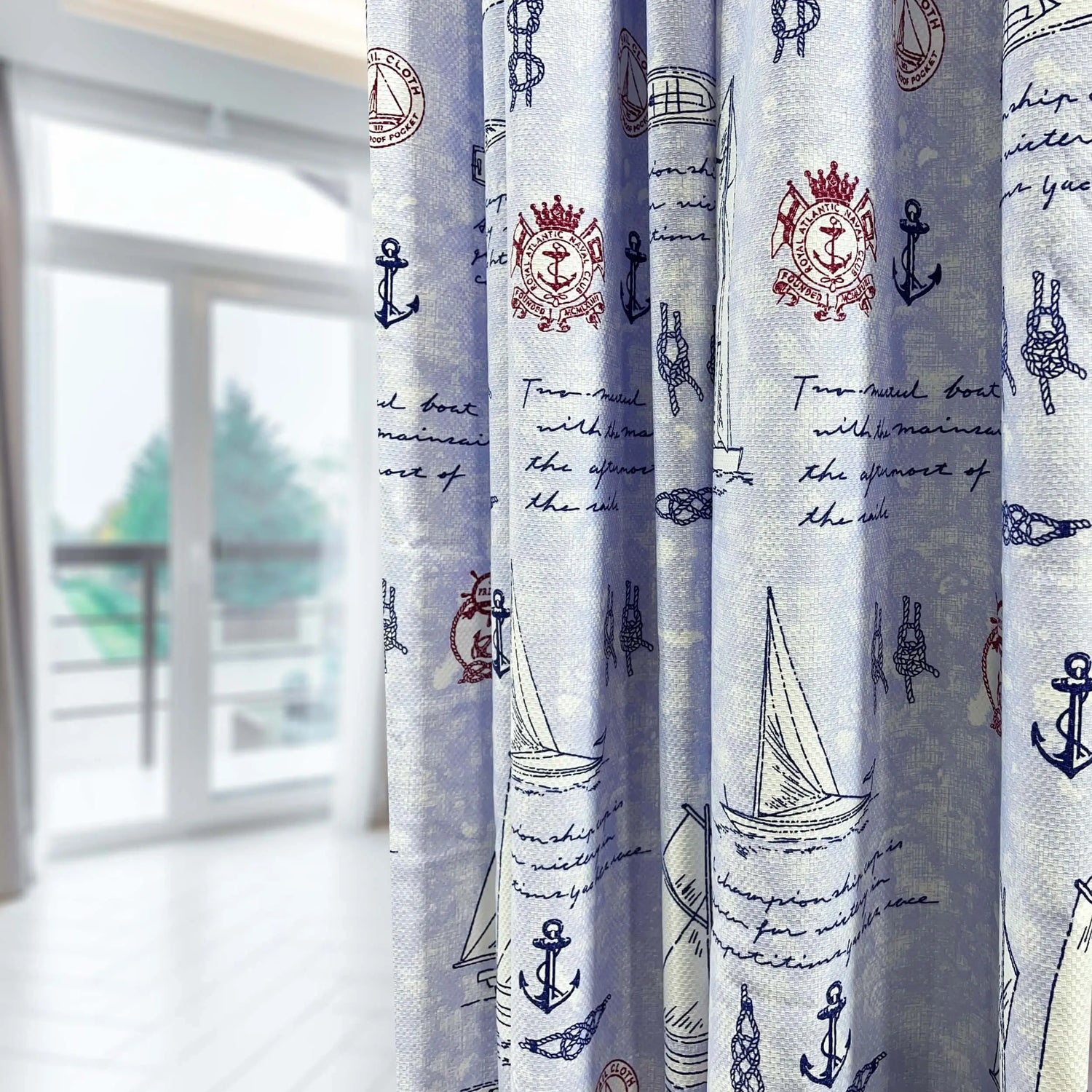
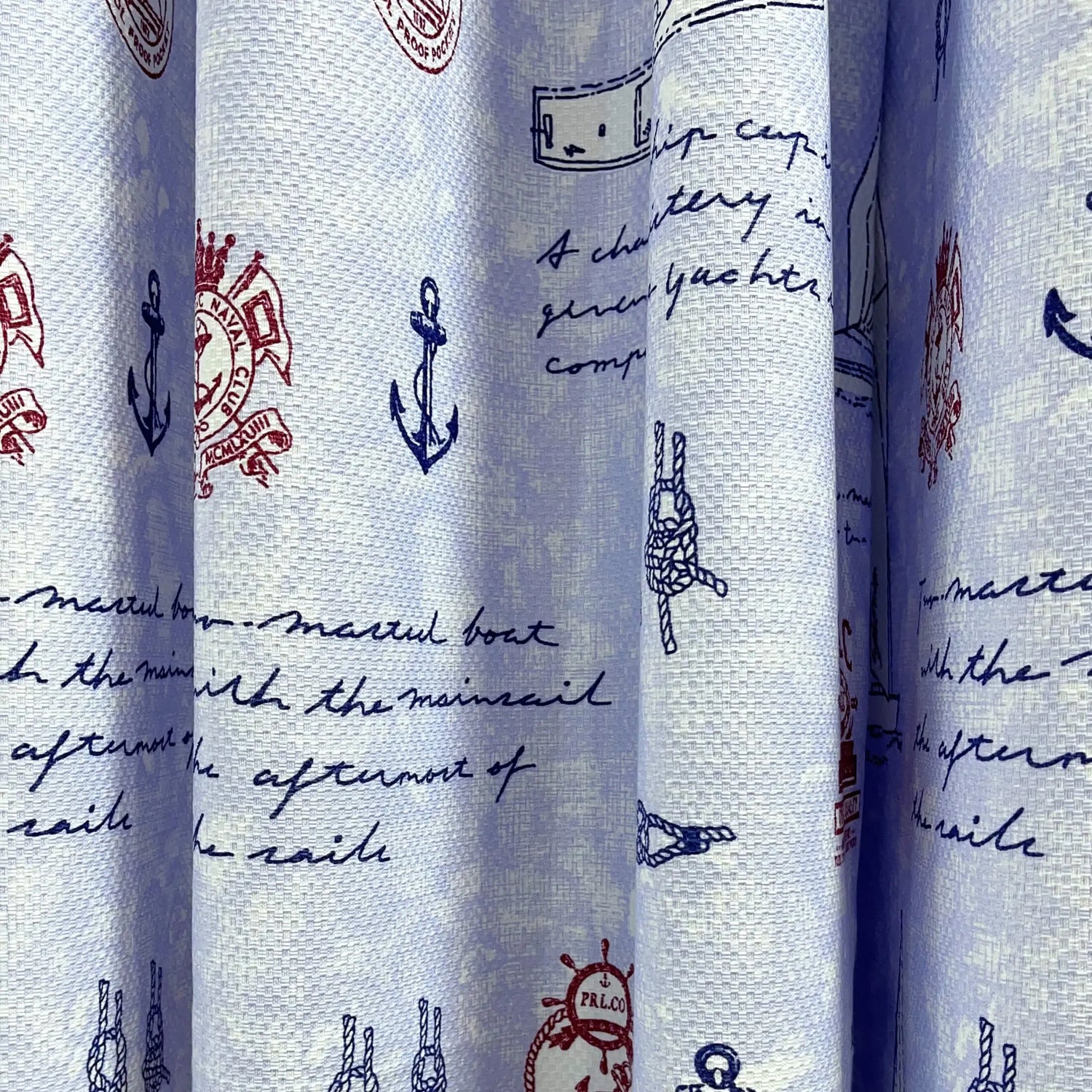
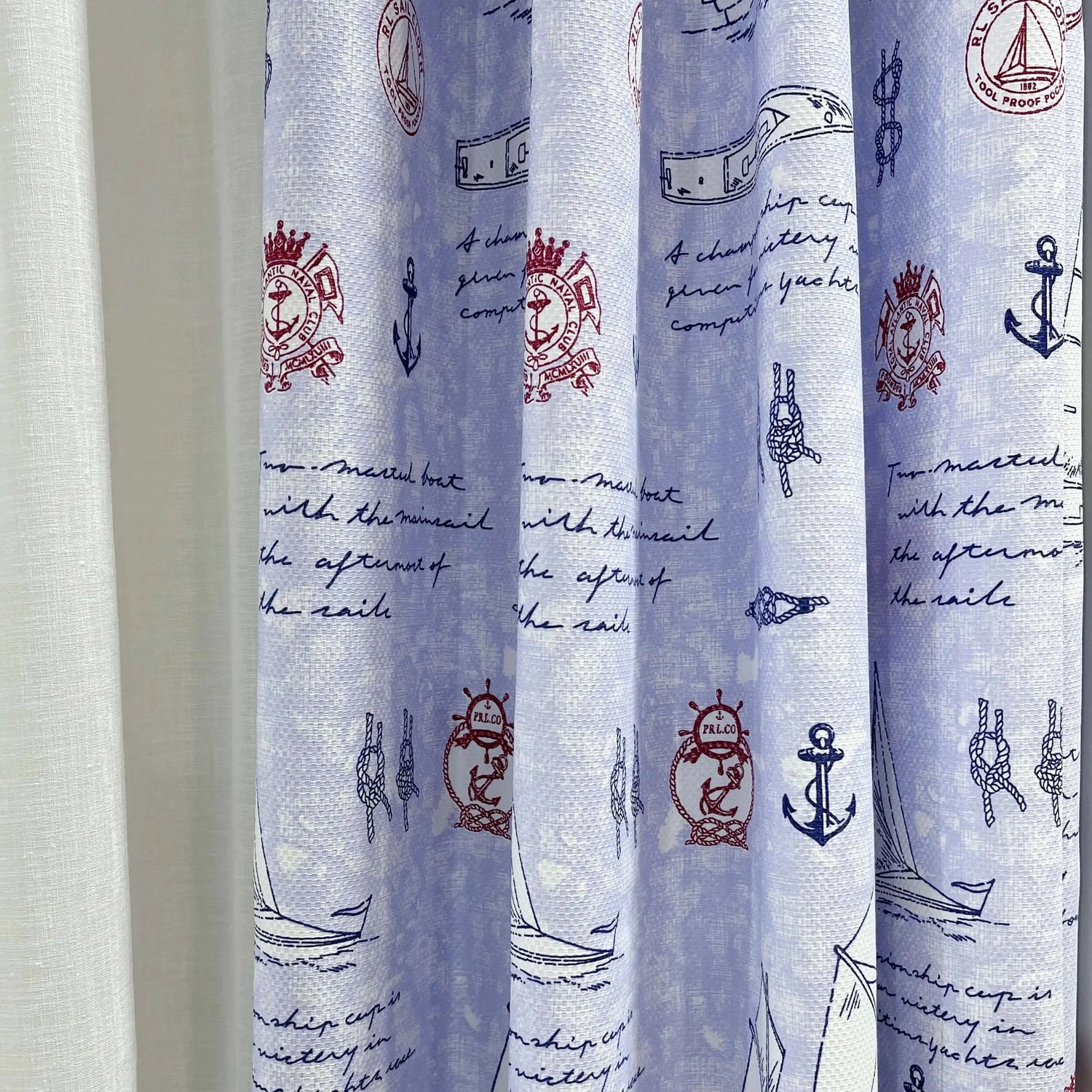
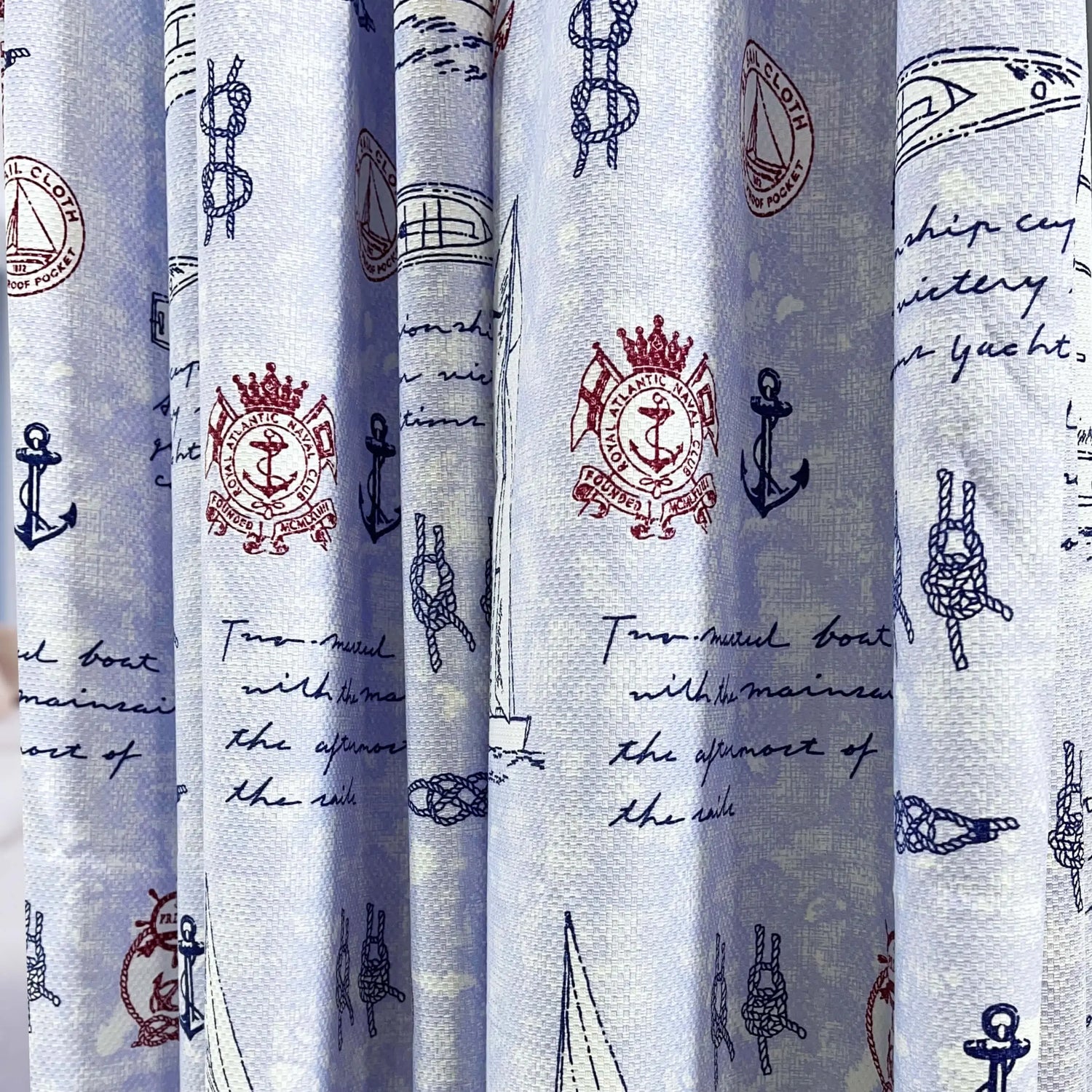
Unit price perCreate the atmosphere of a tropical paradise with a light sea breeze and sailboats on the horizon with these Navy Blue linen Ocean Theme curtains for Boys Bedroom. Curtains can be used in the children's room, the boy's room, nursery. We make curtains to the sizes that will best suit your window.
These curtains will be manufactured on the customer's request only and cannot be exchanged or returned.
- Deviations from the sizes up to 0.5" are possible.
- Care instruction: Machine wash on gentle mode, no soaking, no bleaching. No dryer. Air dry only. Iron at low temperature (polyester setting) or use steam.
- Actual color may slightly vary from the picture due to various display monitors and reproduction of the actual product.
Custom-made drapes and curtains with thematic patterns – a style that highlights your individuality
Curtains are more than just window textiles. Custom drapes and curtains with thematic patterns will become the highlight of your interior, adding character and harmony to the space. Choose a design that reflects your personality – whether it’s refined floral motifs, abstract lines, or classic elements.
Custom Window Curtains and Drapes – Small Details That Transform the Space.
Sometimes, one right detail can change everything. Themed curtains and drapes will be a bright accent that makes your home both stylish and cozy.
Benefits of ordering online at Pointdecor.
On the website, you can find many interesting decor ideas and order custom tailoring. So, what are the advantages?
- exclusivity – order a unique product that will perfectly fit into your room's interior;
- quality – we use fabrics that retain their color and shade and do not fade;
- motorized tailoring – with this approach, the curtains are more durable and easy to maintain;
- functionality – regulates natural light, adds coziness and privacy;
- harmony – choose a pattern style that complements your atmosphere – from modern minimalism to luxurious classics.
Create your unique design with thematic patterns for your curtains! Order custom-made curtains at Pointdecor for great prices!
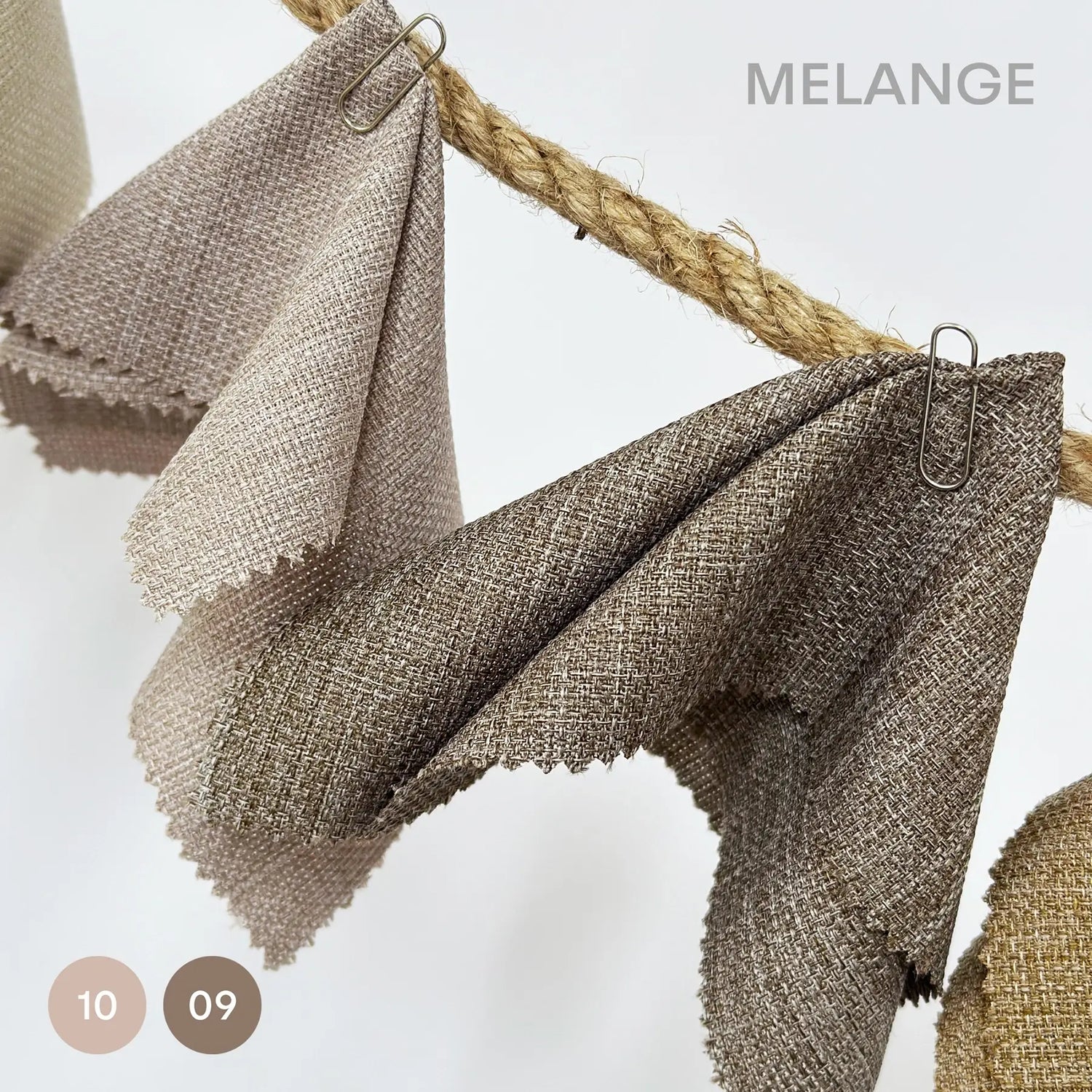
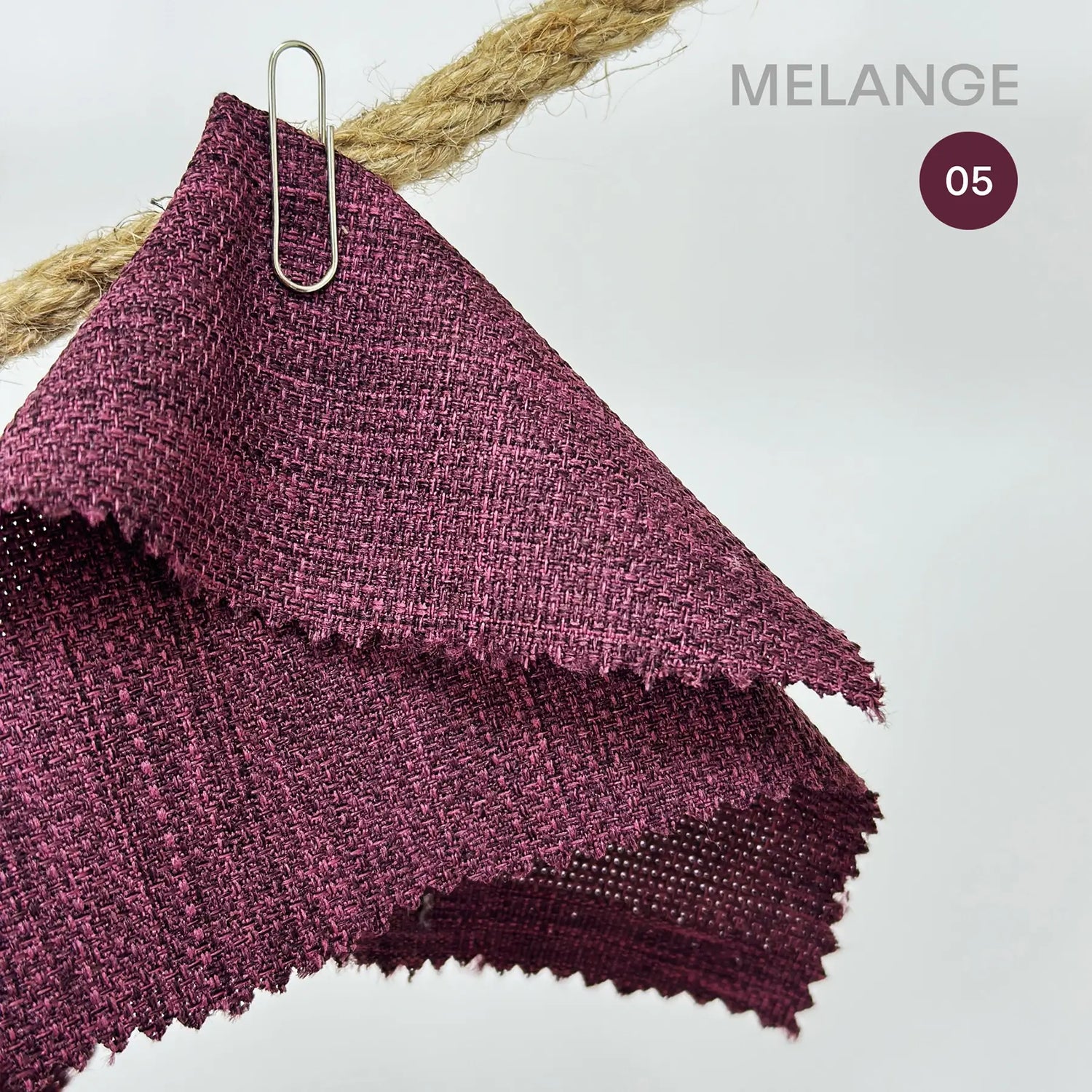
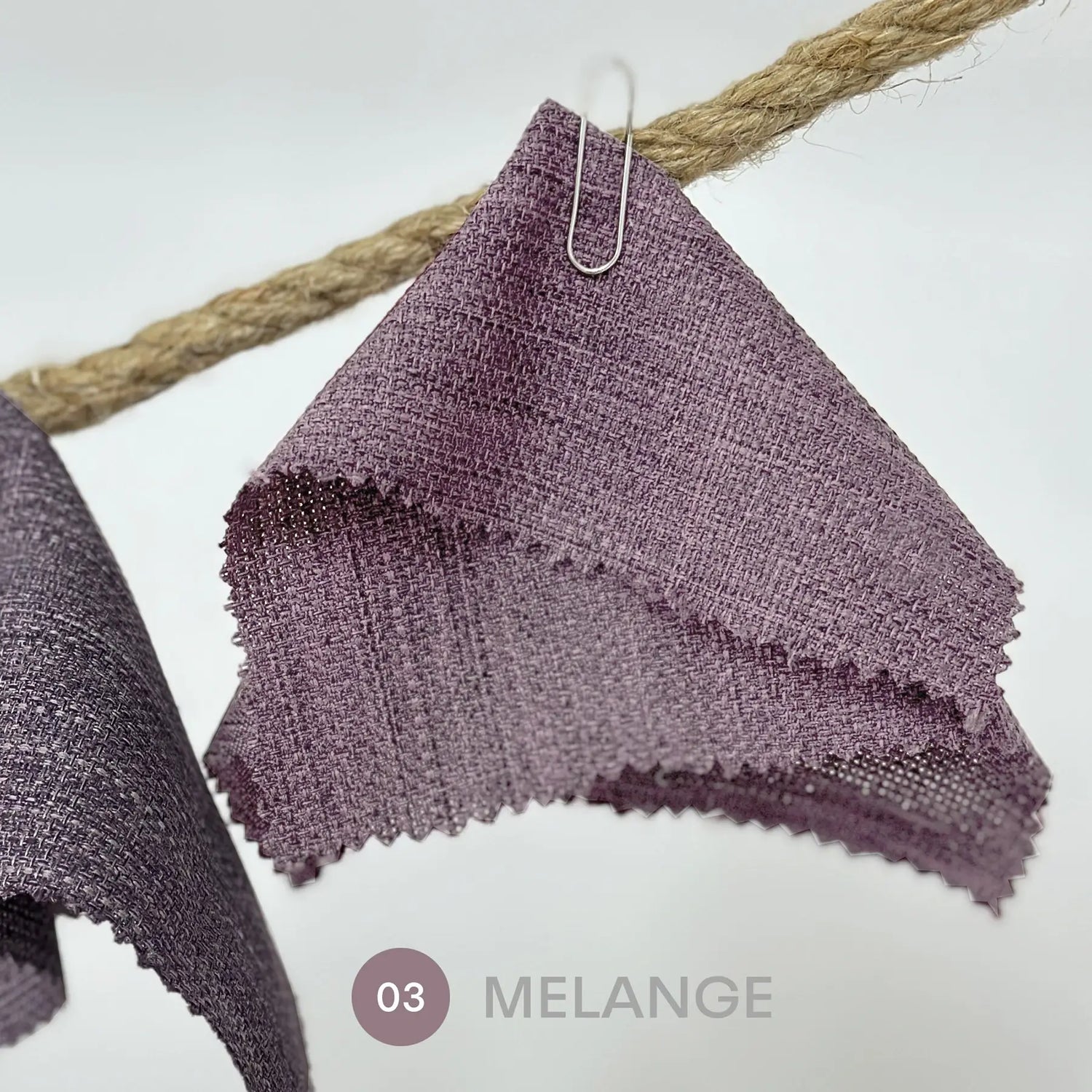
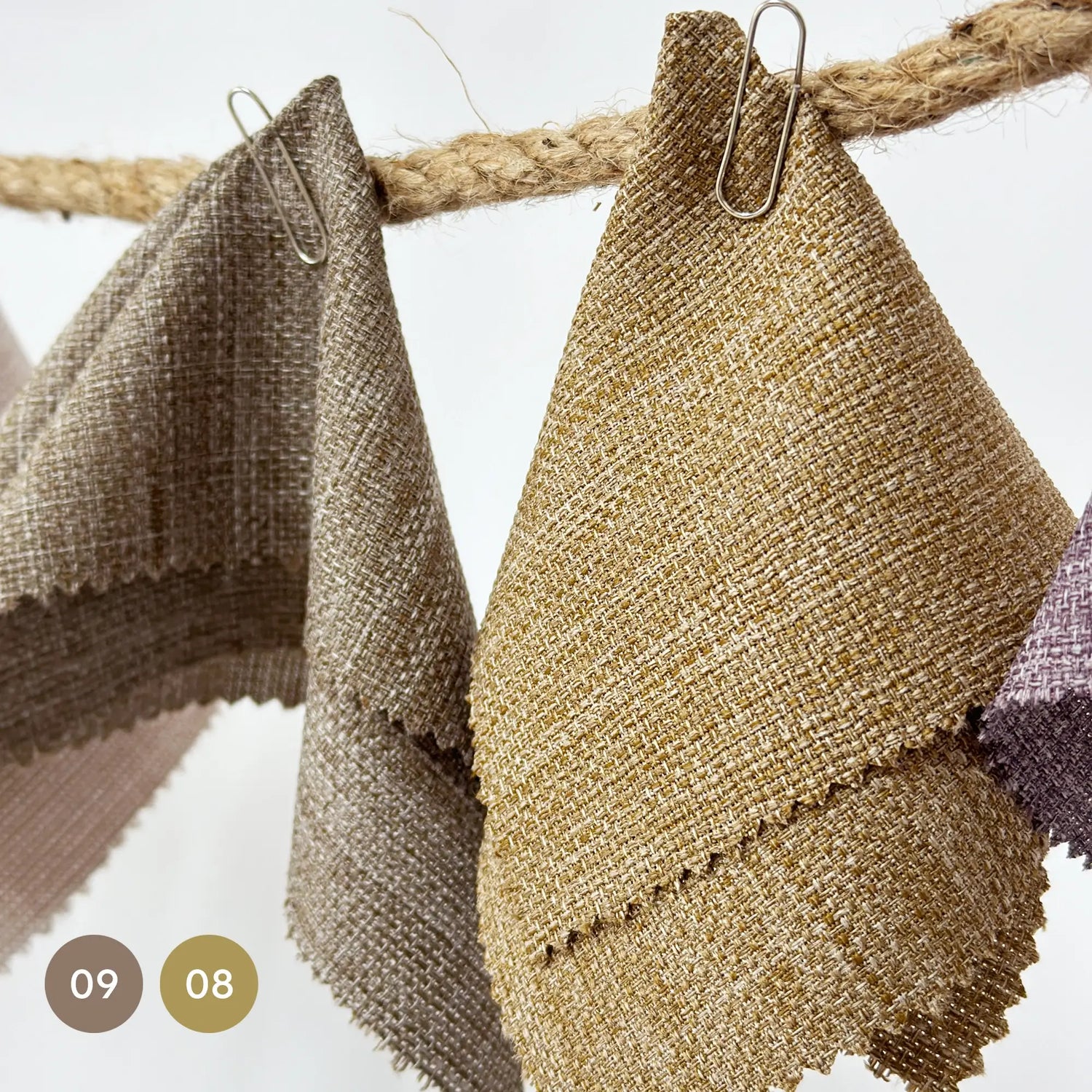
From $5.00
Unit price perFrom $5.00
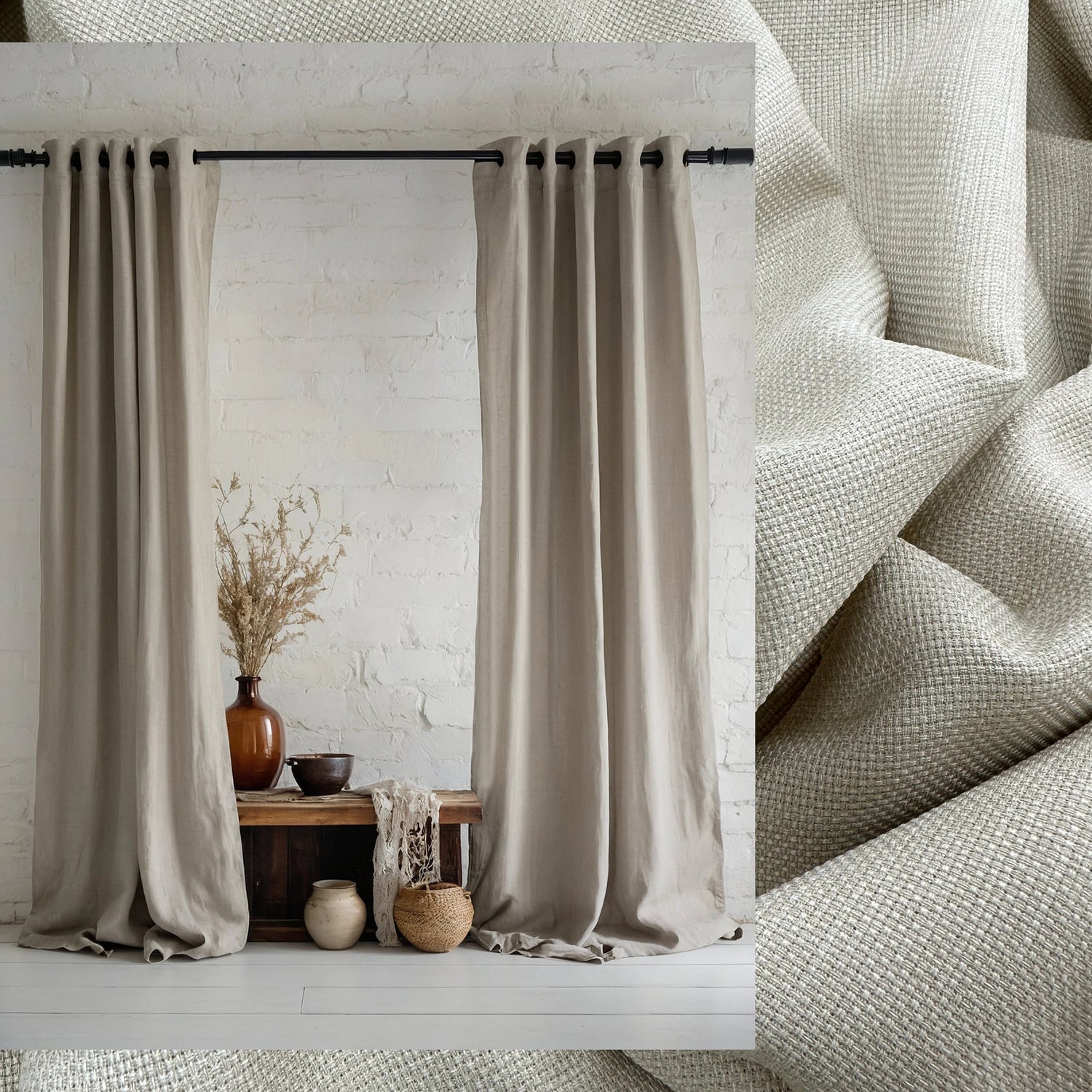
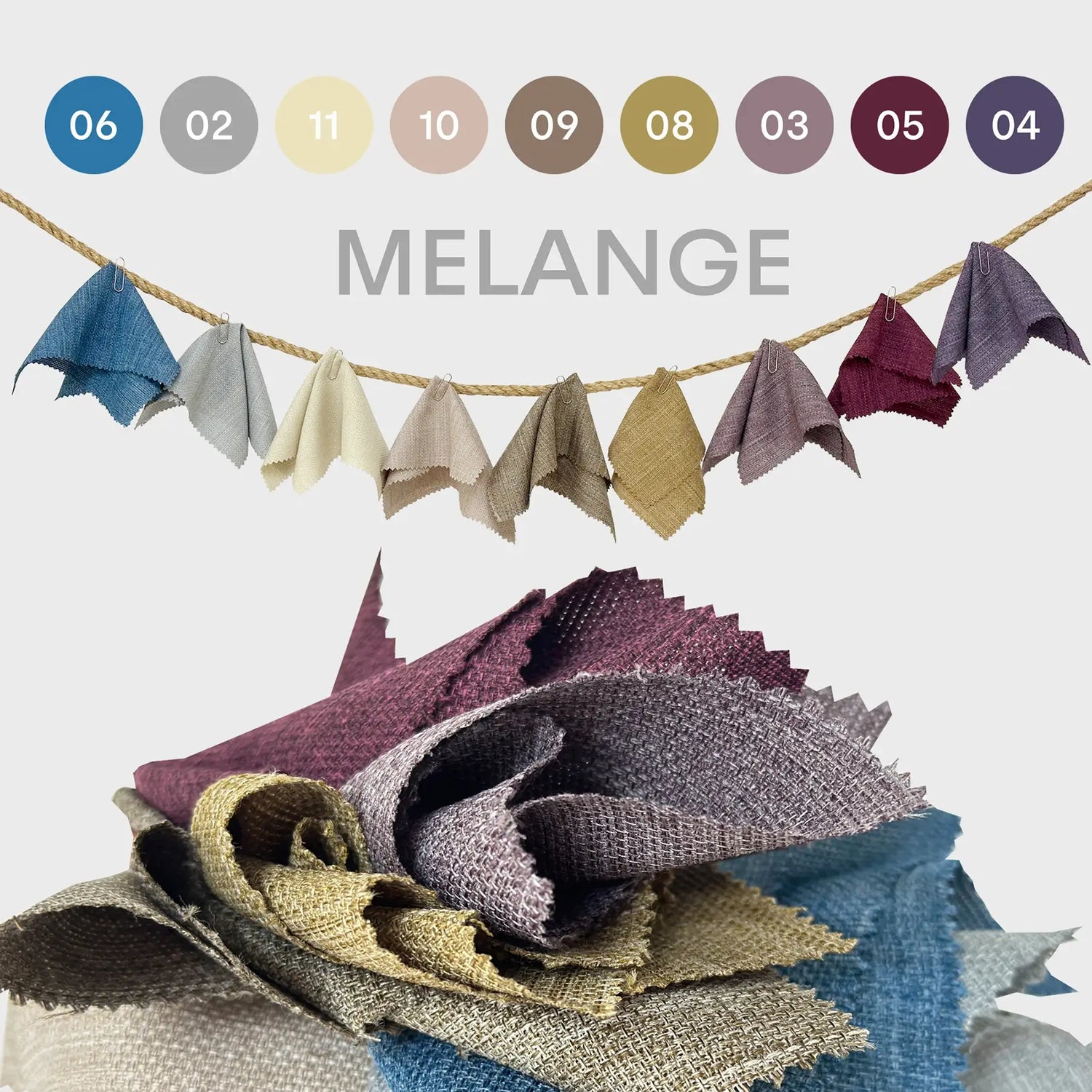
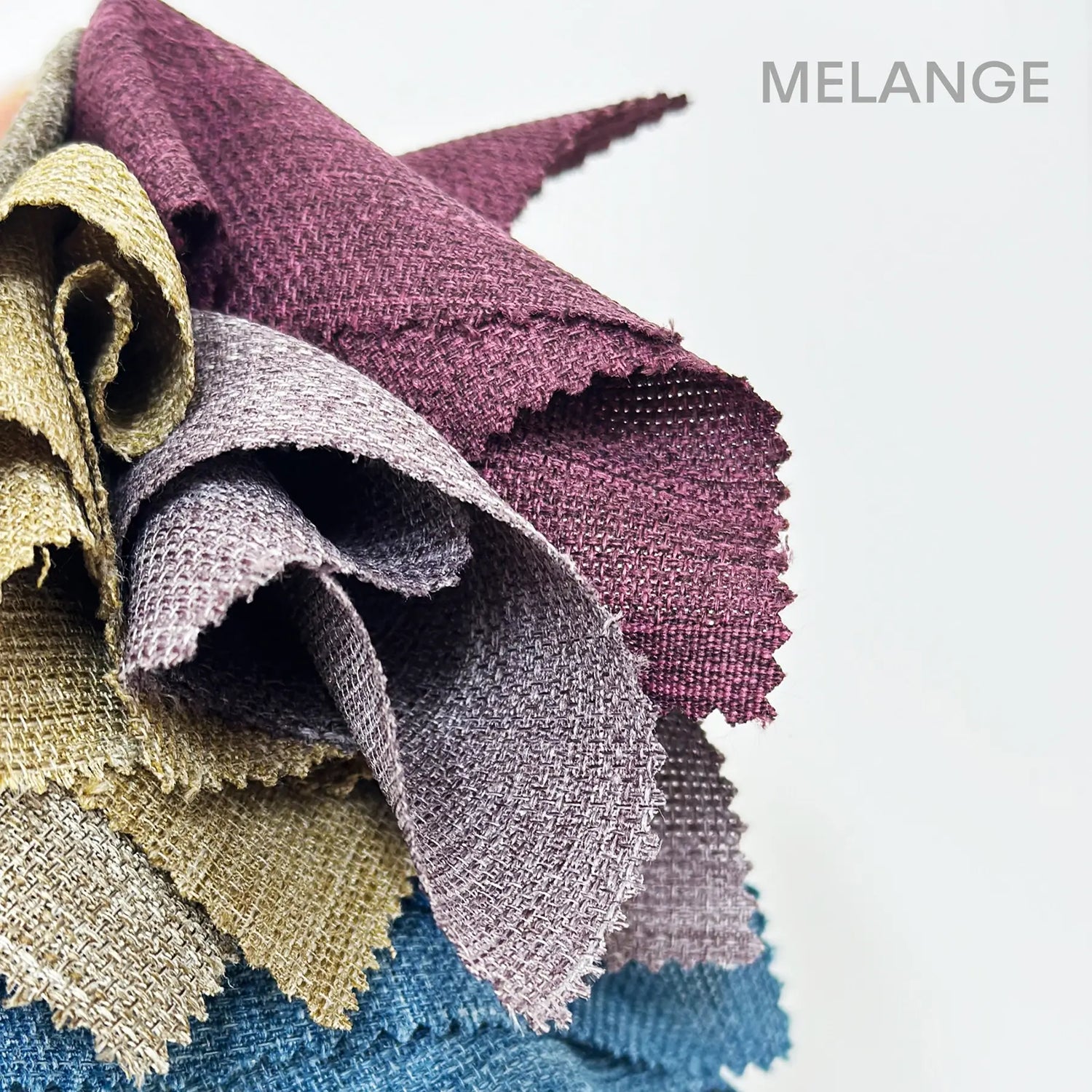
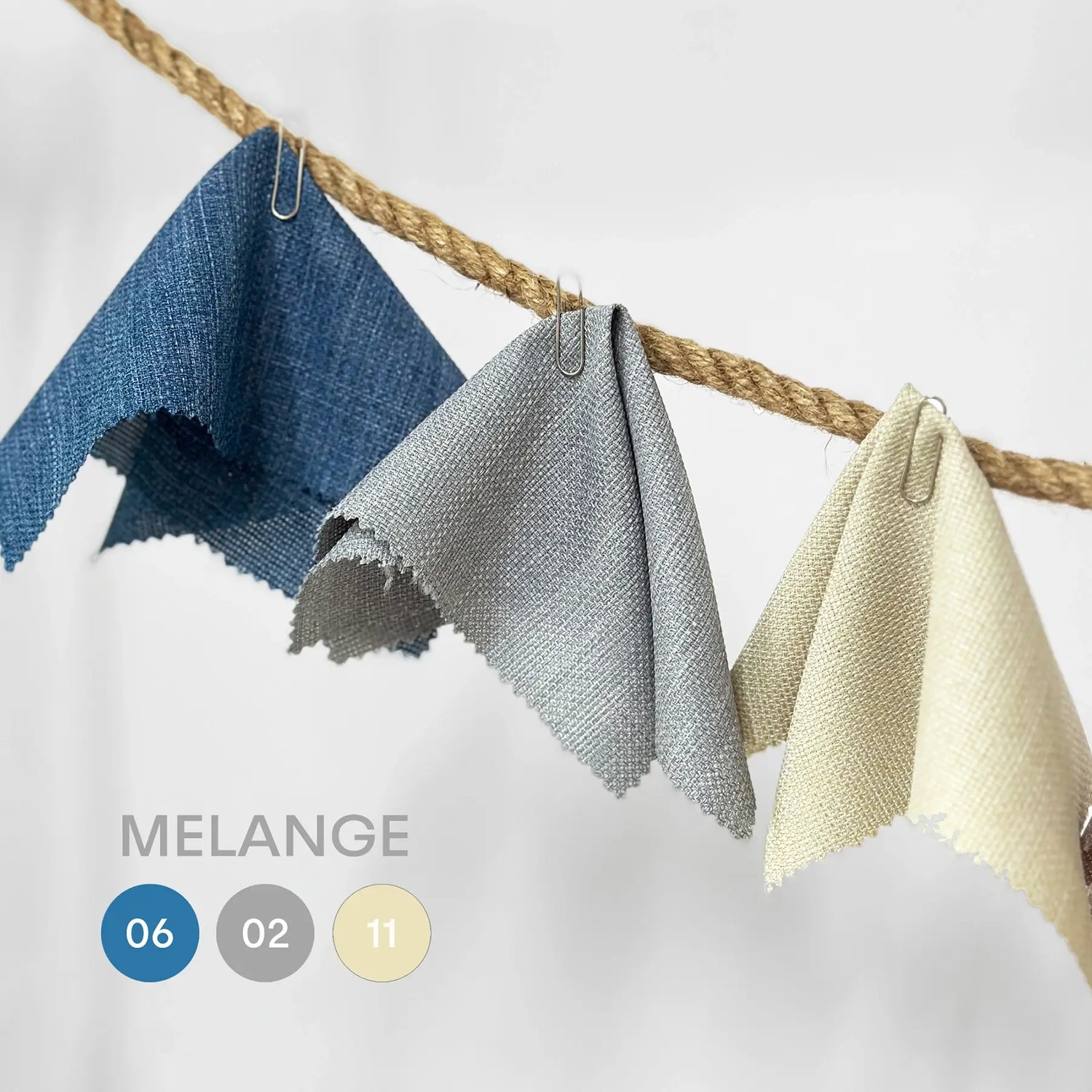
Unit price perElevate the ambiance of your living room or bedroom with these elegant Flax Linen Curtain Panels. Handcrafted with care, these custom-sized medium sheer curtains feature a versatile design that effortlessly complements any home decor style.
Choose between a rod pocket or grommet top for easy installation and a perfect fit for your windows. Add a touch of sophistication and luxury to your space with these timeless and high-quality linen curtains.
- These curtains will be manufactured on the customer's request only and cannot be exchanged or returned.
- Deviations from the sizes up to 0.5" are possible.
- Care instruction: machine wash on gentle mode, no soaking, no bleaching. No dryer. Air dry only. Iron at low temperature (polyester setting) or use steam.
- Actual color may slightly vary from the picture due to various display monitors and reproduction of the actual product.


From $5.00
Unit price perFrom $5.00
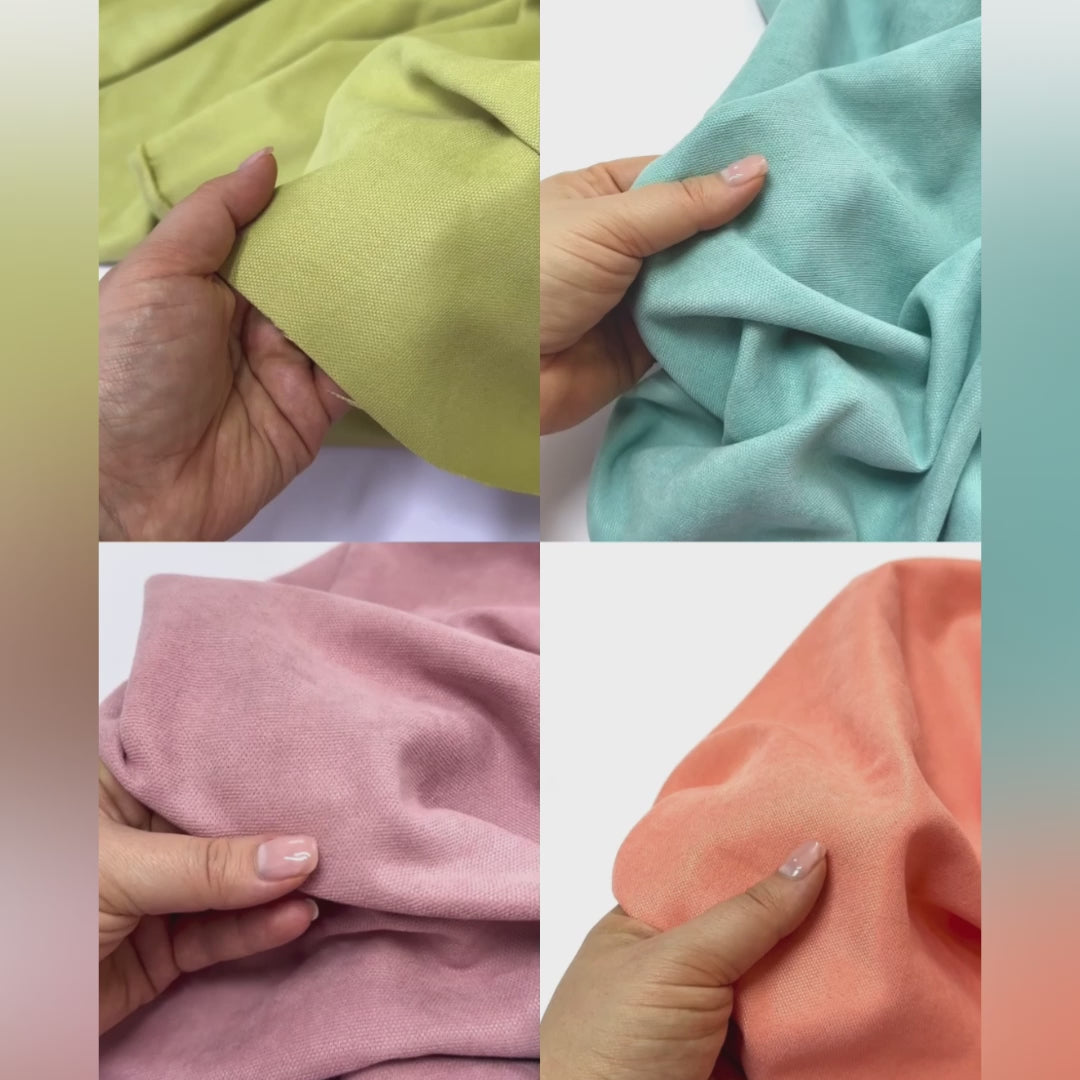
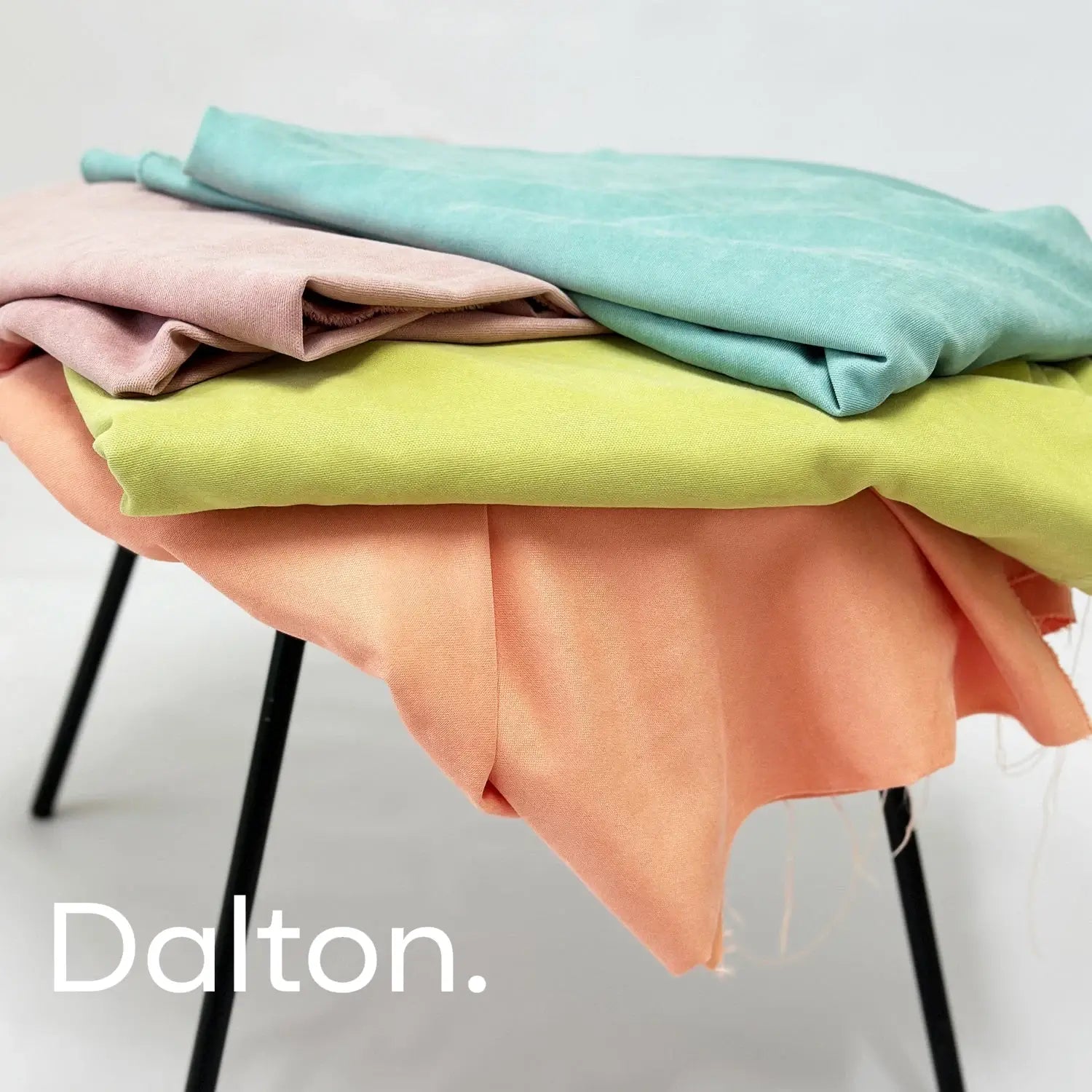
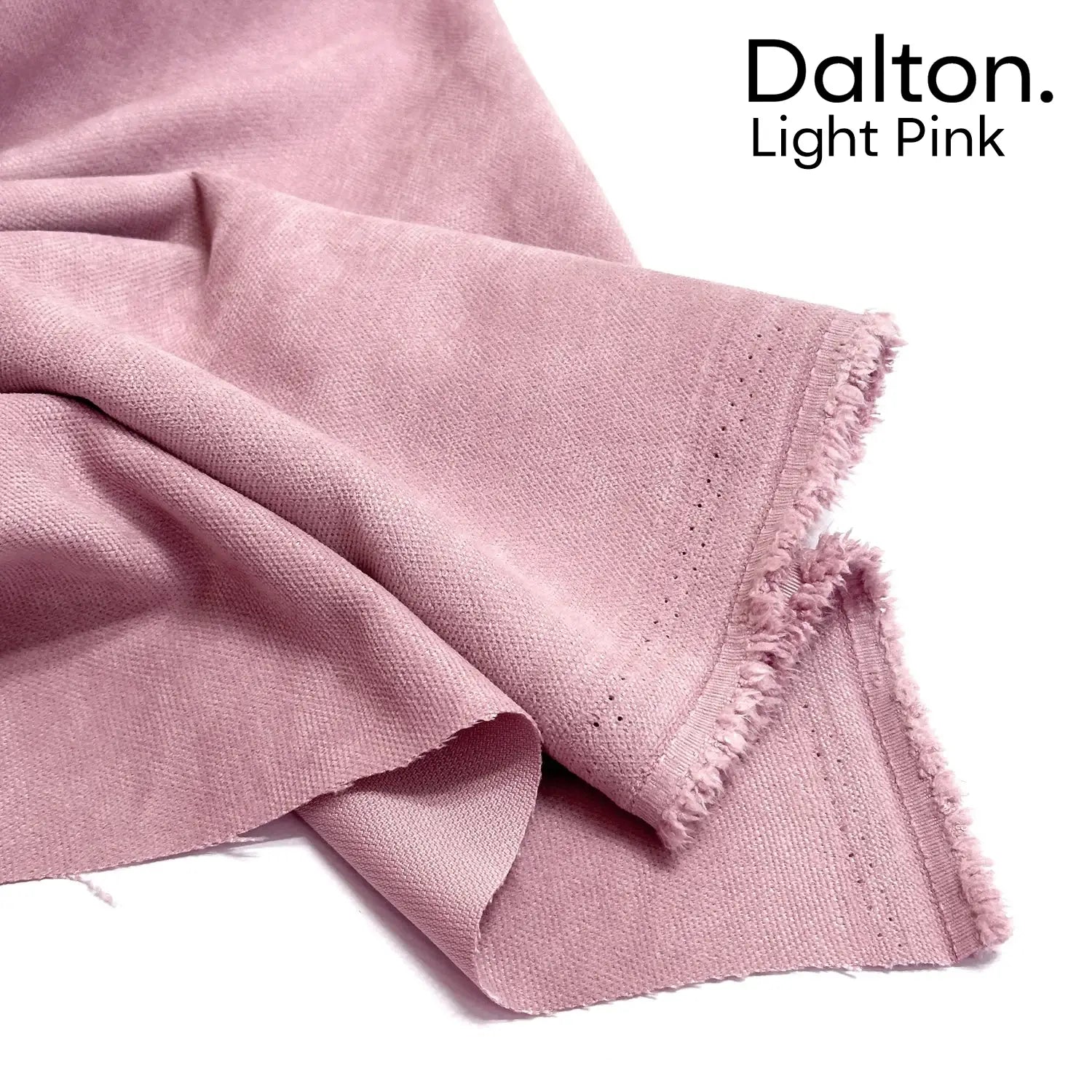
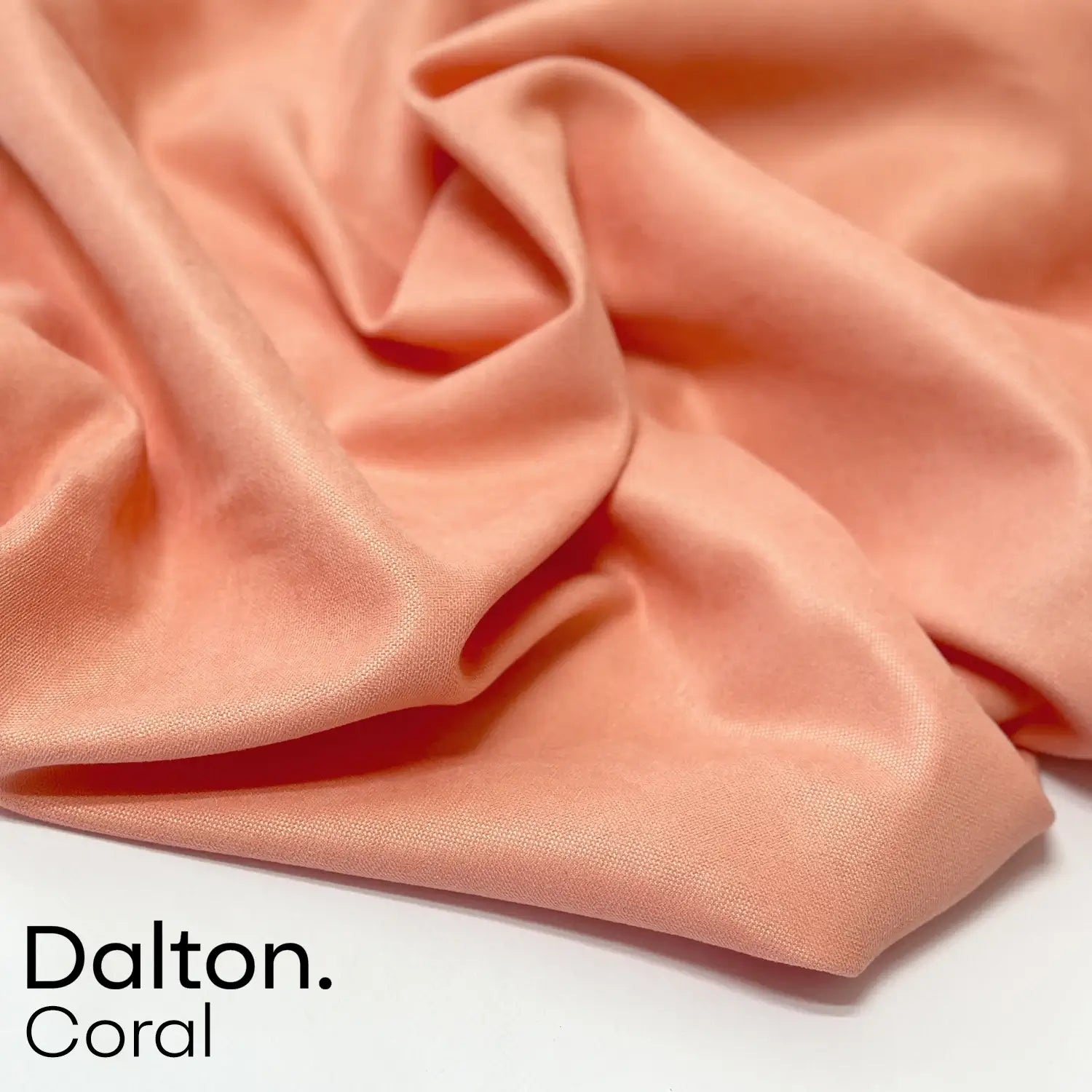
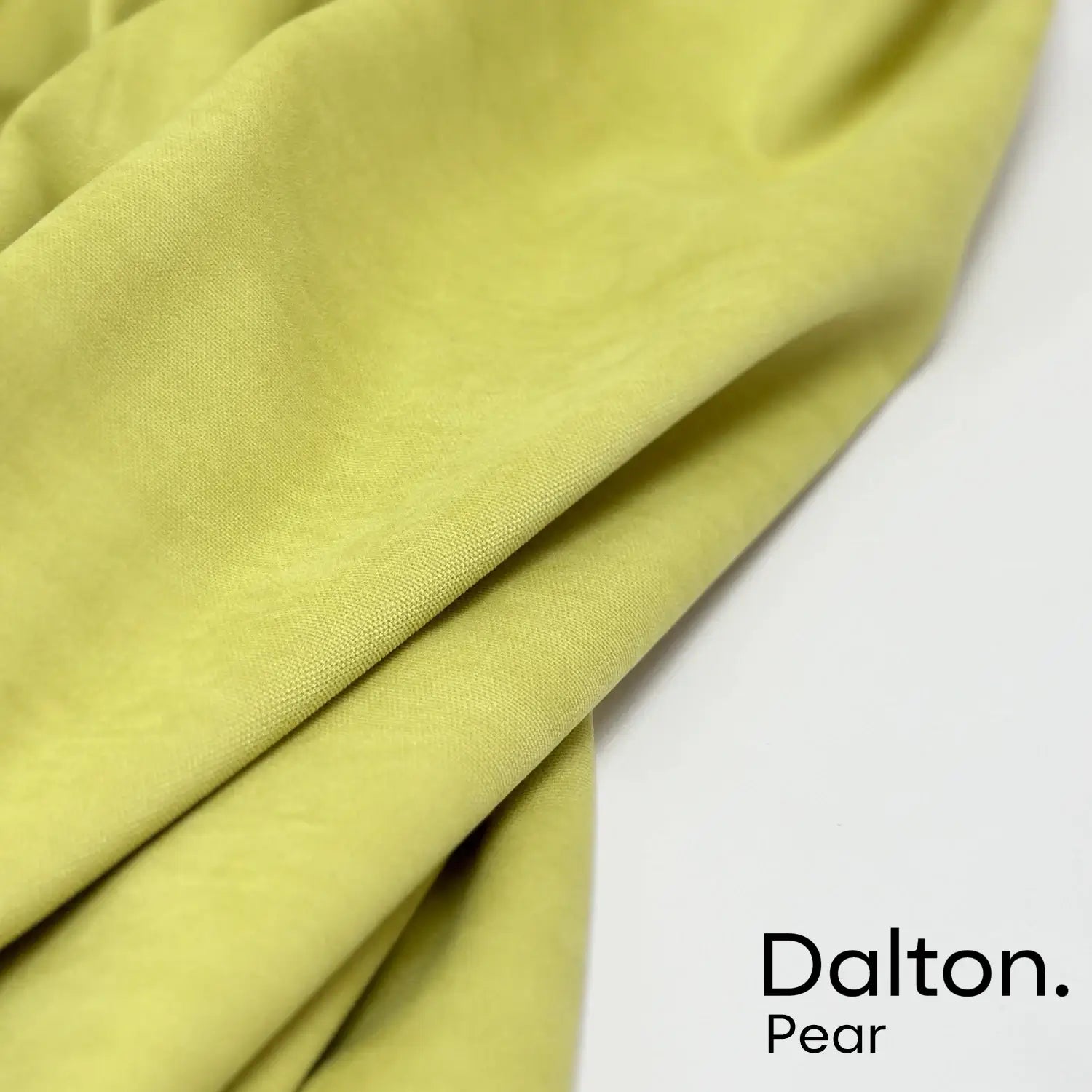
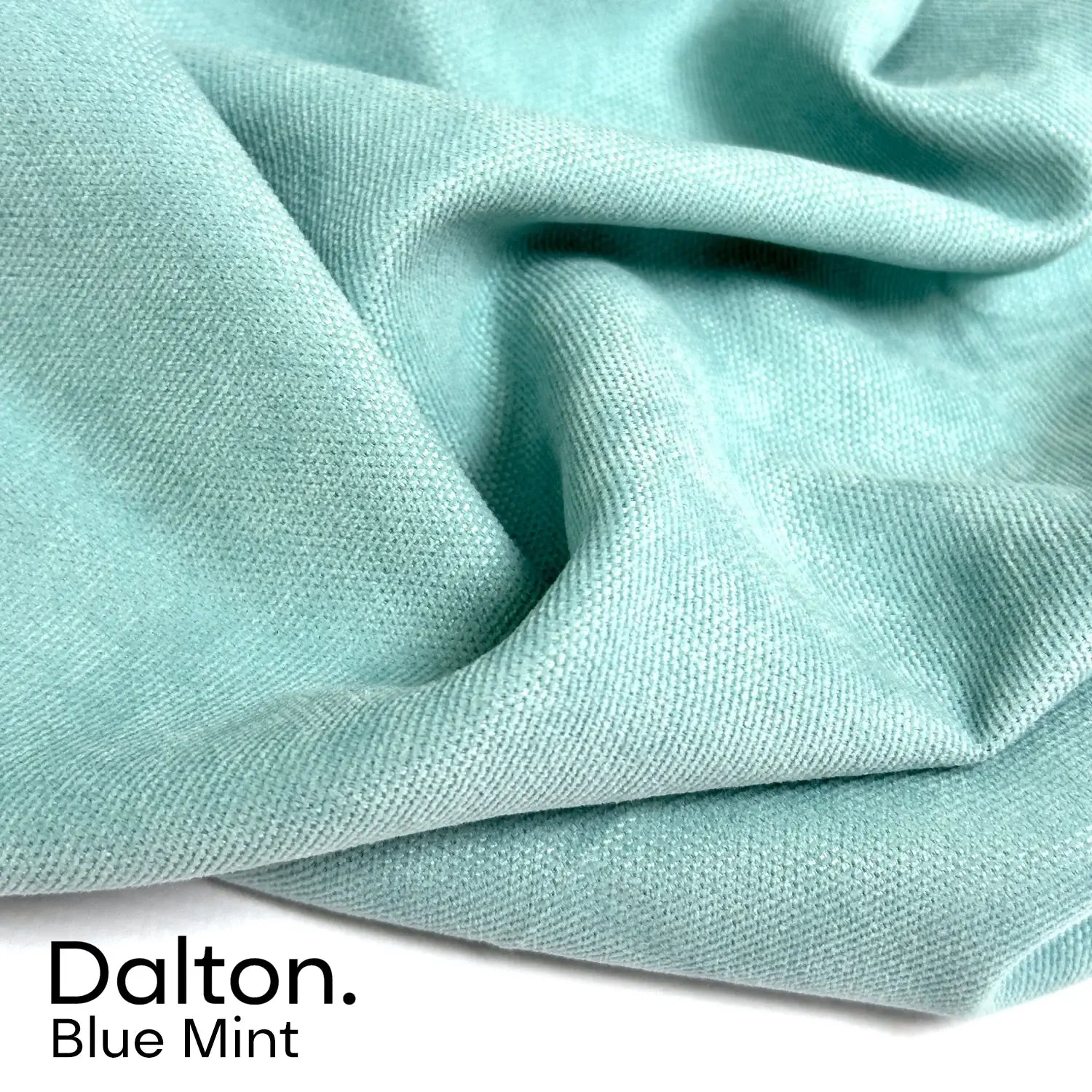
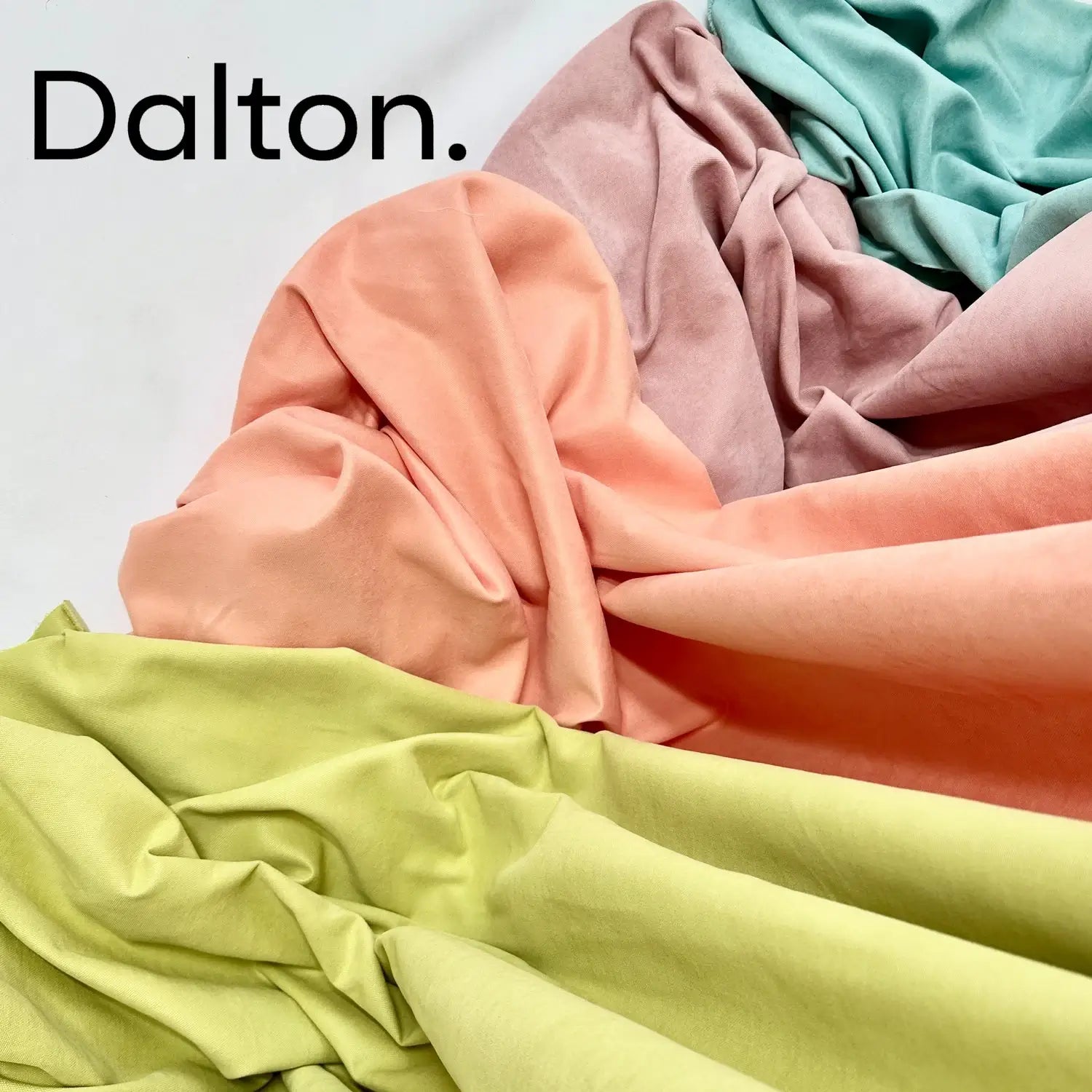
Unit price perTransform your little one's room with these Custom Cute Velvet Curtains for Kids Room Decor! This set includes four bright, colorful curtains handcrafted to perfection for a nursery or bedroom. Made with a blackout privacy lining, these curtains not only add a pop of color but also provide essential privacy and light control.
For enhanced sun protection, don't forget to add blackout lining to your order. Make your child's space both fun and functional with these lovely handmade curtains.
- These curtains will be manufactured on the customer's request only and cannot be exchanged or returned.
- Colors/patterns available: See photos.
- The picture effect is 2.5 times the width of the actual measurement.
- Deviations from the sizes up to 0.5" are possible.
- Care instruction: Machine wash on gentle mode, no soaking, no bleaching. No dryer. Air dry only. Iron at low temperature (polyester setting) or use steam.
- Actual color may slightly vary from the picture due to various display monitors and reproduction of the actual product.
FAQs
- Tracking
Once an order was picked up by the carrier, you will receive an email to advise the carrier and tracking number. You may visit the carrier official website to monitor your package.
- Returns
Custom orders are not returnable. For more information, please visit our Return & Refund Policy page.
- Shipping time
Regular delivery is usually 14 – 21 days, Express Delivery is 5 – 10 days. Once an order is shipped, you'll receive a tracking number to follow up with the carrier.
- Countries we ship to
We send our products to the USA, Canada and European countries.
- VAT and Duties
All shipping costs are always covered by the buyer. The seller is not responsible for the passing of custom control. All of the taxes, duties, and fees of the destination country are at the buyer's expense.
- Cancellation
1. In case of cancellation or return for any reason except our fault, we return only 80% due to nonrefundable commissions.
2. Refunds will be made only after we get our item back.
3. No refunds for custom orders.
4. No refunds for items from section «Sale».
5. No refunds after 45 days from purchase.
6. No refunds for unclaimed packages. These packages can be sent to the buyer again. In this case, shipping costs are on the client.
Machine was in a gentle mode. No soaking. No bleaching. No dryer. Air dry only. Iron at low temperature (polyester setting) or use steam iron.
Producing time is usually 1 – 2 weeks.
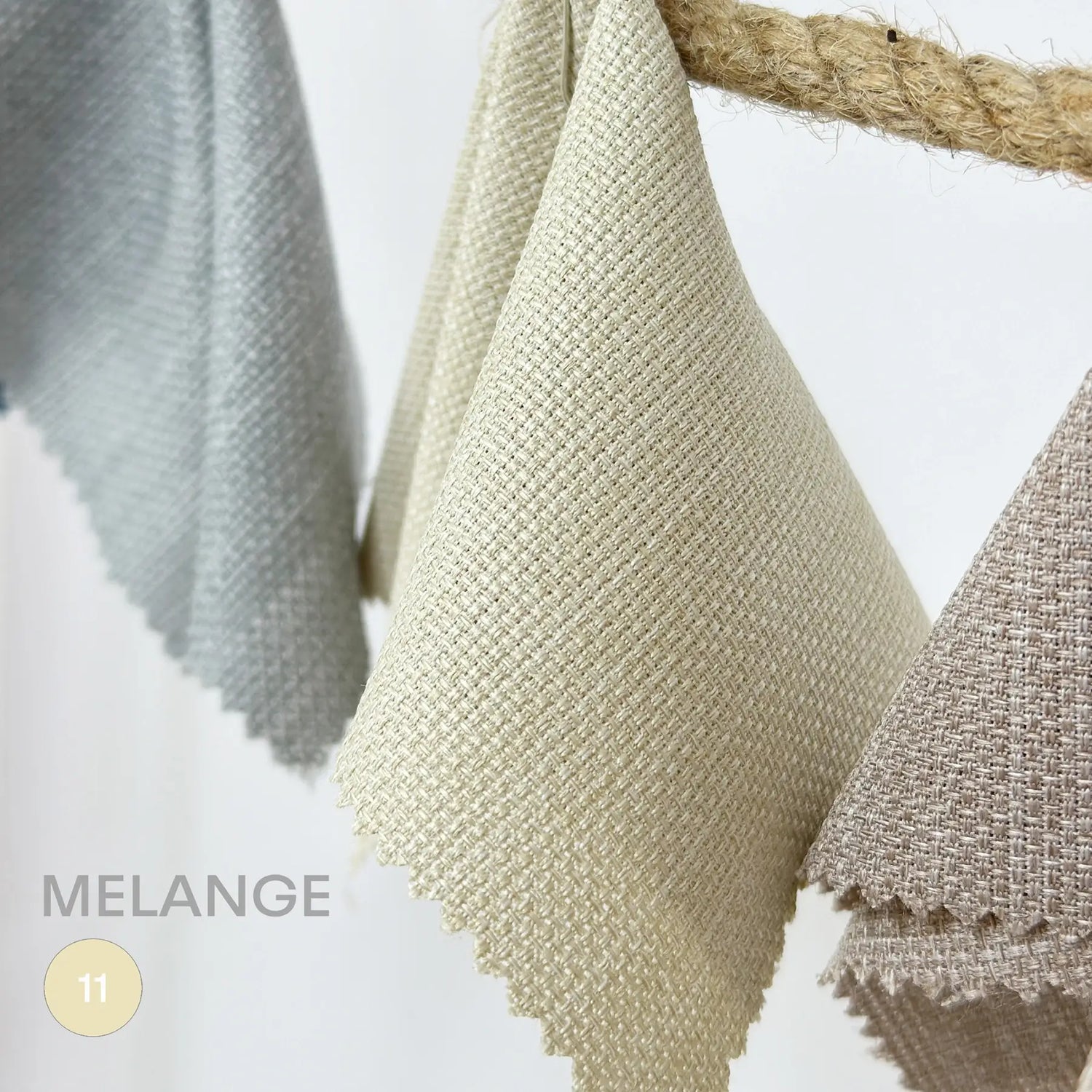
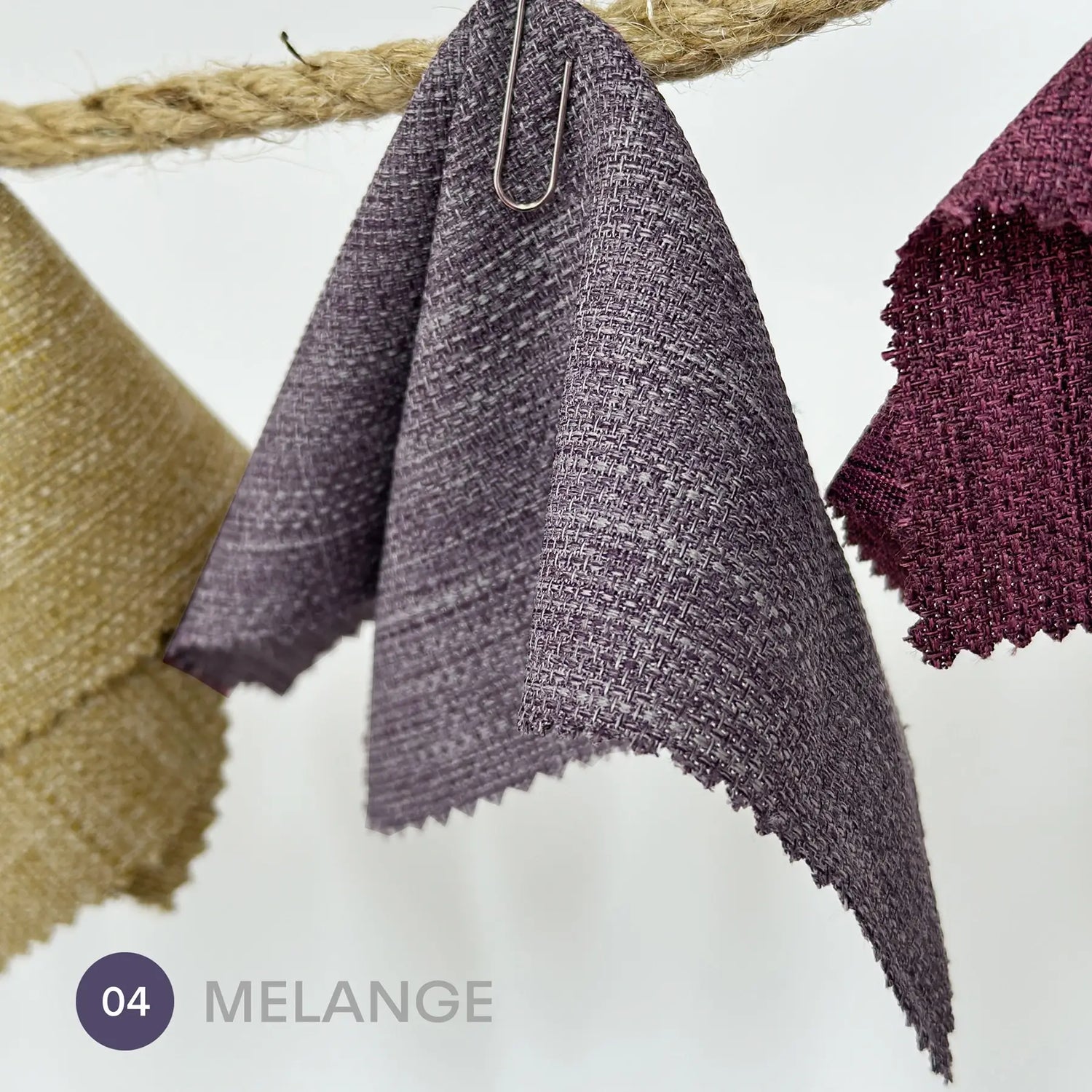
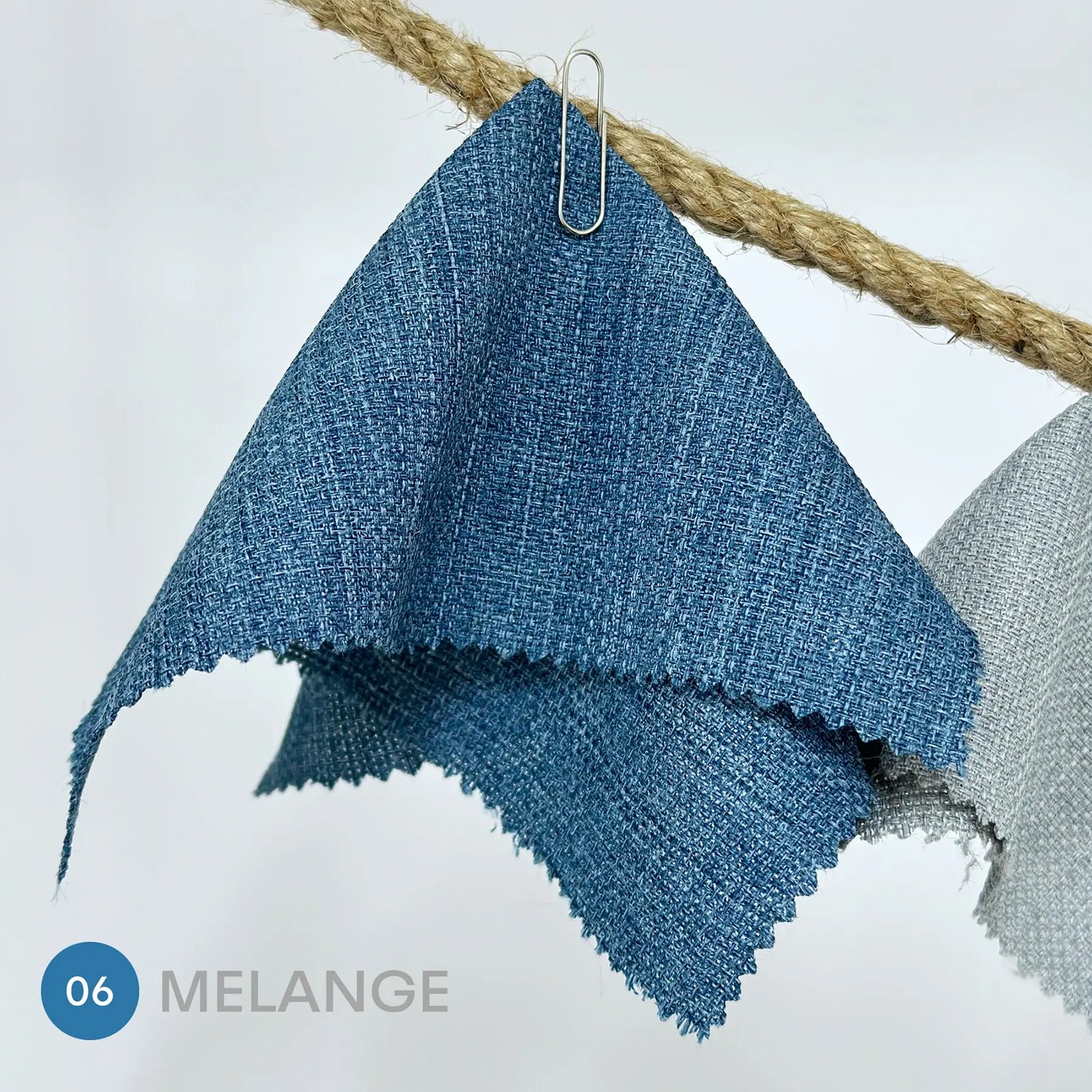
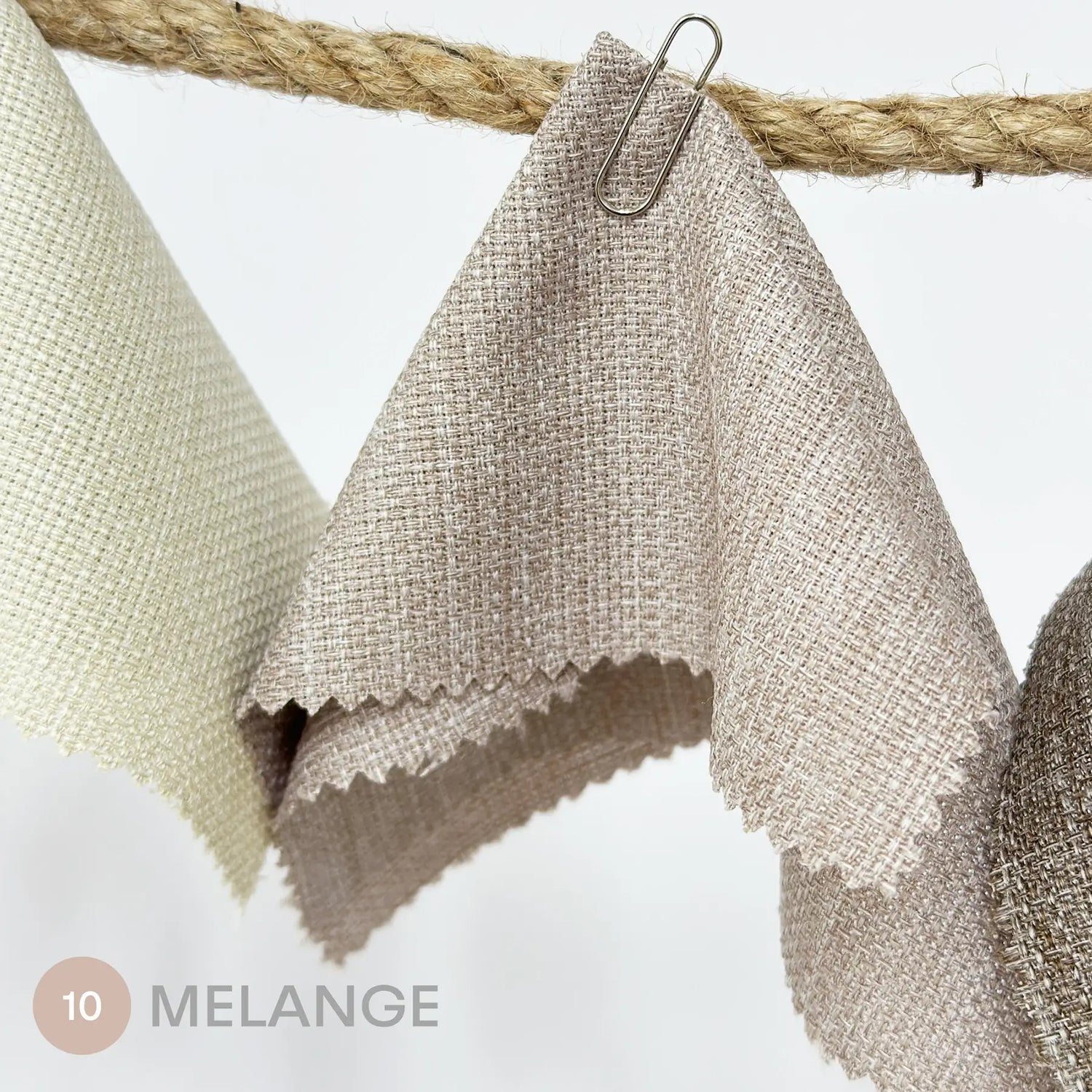
Actual color may slightly vary from the picture due to different display monitors. For a more accurate understanding of the color, please order a fabric sample before ordering curtains.
Custom Nursery Curtains That Grow With Your Child
The right curtains in a child's room do more than cover windows. They block early morning light so your toddler doesn't wake at 5am. They create the darkness babies need for quality naps. They turn a bright, overstimulating space into a calm environment where kids can actually settle down at bedtime.
If you've struggled with a child who won't sleep past sunrise, or fought nap resistance in a room flooded with afternoon light, you already know: window treatments matter. Not decoratively — functionally. The difference between a room with proper blackout curtains and one with flimsy panels is measurable in hours of sleep gained or lost.
What Makes Children's Curtains Different
Children's curtains need to do things regular curtains don't. They need to block serious amounts of light — not just filter it, but actually eliminate it during nap time and early bedtime. They need to be safe, with no dangling cords or strangulation hazards. They need to hold up to frequent washing because kids' rooms get dirty. And ideally, they shouldn't look like you just stapled black fabric over the window.
Our collection focuses on curtains designed specifically for kids' spaces:
Blackout and room-darkening panels that actually work — blocking 90-100% of light to support healthy sleep patterns. These aren't just dark-colored curtains; they're constructed with light-blocking materials or linings that prevent early wake-ups and improve nap quality.
Age-appropriate designs from nursery-friendly neutrals to playful patterns kids love. Themes that work for toddlers but don't feel babyish by age five. Designs sophisticated enough for tweens and teens who want style without cartoon characters.
Custom sizing options because not every kids' room has standard windows. Proper fit means no light gaps at the edges, no awkward too-short panels that defeat the purpose of blackout fabric.
Safe construction with cord-free designs or breakaway features. All curtains meet current safety standards for children's products. Because the best curtain is worthless if it's a hazard.
Why Light Control Matters for Kids' Sleep
Children's bodies are more sensitive to light than adults'. Even small amounts of ambient light can suppress melatonin production and disrupt sleep cycles. This is especially true for:
Babies and toddlers who need 12-14 hours of sleep daily, including daytime naps. A dark room signals the body that it's time to sleep, even when the sun is blazing outside at 1pm.
Young children who go to bed while it's still light outside in summer months. Blackout curtains allow for consistent bedtime routines year-round, regardless of sunset time.
Early risers who wake with the first hint of daylight. Room-darkening curtains keep rooms dark until a reasonable wake time, giving both kids and parents better rest.
Light control isn't about preference — it's about biology. Kids sleep better in dark rooms. Better sleep means better mood, behavior, development, and overall health. Curtains are one of the simplest, most effective tools for improving children's sleep.
Types of Children's Curtains Available
Blackout Curtains for Maximum Darkness
These panels block 95-100% of light using thick, tightly woven fabrics or special blackout linings. Essential for nurseries, rooms with east-facing windows, or any situation where you need complete darkness during daylight hours.
Available in solid colors (navy, gray, soft pink, cream) and playful patterns (stars, animals, geometric designs). Many can be custom-ordered to your exact window dimensions.
Room-Darkening Curtains
Slightly less opaque than blackout — typically blocking 85-95% of light. Good for kids who don't need total darkness but benefit from significantly reduced light levels. Often available in more decorative patterns and lighter colors than full blackout options.
Sheer and Tulle Panels
For rooms where you want filtered daylight — common in playrooms, reading nooks, or spaces where kids spend time during the day but don't sleep. These soften harsh sunlight without creating darkness.
Can be layered with blackout panels for flexibility: sheers during the day, blackout at night.
Themed and Patterned Curtains
From subtle stars and moons (perfect for nurseries) to more vibrant designs featuring animals, space, florals, or geometric patterns. Styles that reflect kids' interests without overwhelming the room or looking juvenile as they grow.
We focus on designs with staying power — patterns that work for several years rather than trendy themes that feel dated quickly.
Custom-Sized Options
Standard curtain lengths (63", 84", 96") work for many windows, but kids' rooms often have unique dimensions — especially in older homes, renovated attics, or rooms with architectural quirks.
Custom sizing ensures:
- Proper coverage with no light gaps;
- Floor-length panels that look intentional;
- Width proportions that allow curtains to close completely;
- Perfect fit for unusually tall, short, wide, or narrow windows
Choosing the Right Curtains for Different Ages
Nursery Curtains (0-2 years)
Priority: Maximum light blocking
Babies sleep better in very dark rooms. Choose blackout curtains in calming, neutral tones or soft patterns. Avoid overly stimulating colors or busy designs that might distract from the room's purpose: sleep.
Consider ease of use — you'll be opening and closing these curtains multiple times daily for naps and nighttime. Simple rod pocket or grommet styles work well.
Safety is critical: ensure all cords are inaccessible or use cord-free mounting systems entirely.
Toddler and Young Children (2-7 years)
Priority: Light blocking + engaging design
This age group still benefits from room-darkening curtains but may appreciate more playful designs. Stars, animals, simple geometric patterns — themes that feel special without being overly juvenile.
Layering works well here: blackout panels for sleep, sheer curtains for daytime that add color and softness.
Durability matters — curtains will be touched, potentially pulled, possibly used as hiding spots during games. Choose fabrics that can handle some wear and are machine washable.
Older Kids and Tweens (8-12 years)
Priority: Style + function
Kids this age want input on their room design. Offer sophisticated patterns, solid colors in their favorite shades, or geometric designs that feel more grown-up.
Light blocking may still be important, especially for kids involved in early morning sports or activities who need quality sleep. Room-darkening curtains in styles they choose give them ownership of their space while supporting healthy sleep.
Custom options allow for personalization — exact colors, specific lengths, coordinating with their overall room theme.
Teen Rooms (13+ years)
Priority: Personal style
Teens want curtains that reflect their aesthetic. Modern, minimalist solids. Bold colors. Subtle patterns. Whatever fits their vision for their space.
Functionality remains important: blackout for sleep, privacy from neighbors or street-facing windows, sound dampening if the room faces a busy area.
Let them choose within practical parameters. Custom sizing and color options make it possible to meet both style preferences and functional needs.
Safety Considerations for Children's Curtains
Window covering safety is non-negotiable in kids' rooms. Corded window blinds and curtains have caused child injuries and deaths — this is preventable.
Choose cord-free or inaccessible cord systems:
- Curtains that simply drape open and closed by hand
- Motorized systems with remote controls
- Wand-operated mechanisms
- Breakaway cords designed to separate under pressure
Secure all hardware properly:
- Mount curtain rods and brackets into studs or use appropriate anchors
- Ensure rods can't be easily pulled down by climbing or tugging
- Keep decorative finials and hardware out of reach of babies and toddlers
Select child-safe materials:
- Non-toxic fabrics (no harmful chemicals or flame retardants)
- Hypoallergenic options for kids with sensitivities
- Machine-washable materials for easy cleaning
Our children's curtains meet current safety standards and regulations for juvenile products. When in doubt, prioritize safety over aesthetics.
How to Measure for Children's Curtains
Proper measurement ensures curtains actually block light and look proportional to the window.
Width: Measure the window width, then multiply by 1.5 to 2 for proper fullness. Curtains that are exactly window-width look stretched and won't close completely. For blackout effectiveness, extend the rod 3-4 inches beyond each side of the window frame.
Length: Measure from where you'll mount the rod (typically 4-6 inches above the window frame, or at ceiling height) down to the floor. For maximum light blocking, curtains should touch or nearly touch the floor — gaps at the bottom let light leak through.
Common lengths:
- 63" — works for windows in rooms with low ceilings or shorter windows;
- 84" — standard for many bedrooms with 8-foot ceilings;
- 96" — for taller windows or higher rod placement;
- 108" and up — for rooms with 9-10 foot ceilings or dramatic floor-length look
If your measurements fall between standard sizes, go longer and hem, or choose custom sizing to get exact fit.
Pro tip: For blackout curtains, measure carefully and don't leave gaps. Light will find any opening — top, sides, or bottom. Proper installation is as important as the curtain fabric itself.
Layering Curtains for Flexibility
One set of curtains doesn't have to do everything. Layering gives you options:
Blackout panels + sheer curtains: Sheers filter daylight during playtime and homework hours. Blackout panels close for naps and nighttime. Best of both functions without compromise.
Decorative panels + functional lining: Pretty patterned curtains the front, blackout lining attached behind. The room gets visual interest plus light-blocking performance.
Seasonal adjustments: Lighter curtains for summer when you want more airflow and brightness during the day. Heavier blackout panels for winter when early darkness and cold windows benefit from insulation.
Layering requires slightly more complex hardware — double rods or ceiling-mounted tracks — but the functionality is worth it.
Caring for Children's Curtains
Kids' rooms get messy. Curtains in these spaces need regular cleaning.
Most curtains are machine washable:
- Check care labels before washing;
- Use gentle cycle, cold water;
- Avoid harsh detergents or bleach;
- Hang to dry or tumble dry on low to prevent shrinkage
Spot cleaning between washes:
- Treat stains quickly (kids' hands, food, art supplies);
- Use gentle fabric cleaner or mild soap and water;
- Blot, don't rub, to avoid spreading stains
Refresh without washing:
- Vacuum with upholstery attachment to remove dust;
- Steam to eliminate wrinkles and refresh fabric;
- Air out in sunlight to naturally deodorize
Blackout curtains with coatings or linings may require more careful washing or dry cleaning — always check manufacturer instructions.
Custom Curtains vs. Ready-Made: What Makes Sense?
Choose ready-made if:
- You have standard window sizes;
- You need curtains quickly;
- Budget is tight;
- You're fine with available colors and patterns
Choose custom if:
- Windows are unusually sized (very tall, very wide, odd proportions);
- You need specific colors to match existing decor;
- You want exact length for optimal light blocking;
- Standard options don't fit your space properly
Custom curtains cost more but eliminate the frustration of "almost fits" or visible light gaps that undermine blackout functionality. For kids' rooms where sleep quality is the goal, proper fit matters.
Why These Curtains Work for Children's Spaces
We focus on curtains that solve actual problems parents face: kids who won't sleep, rooms too bright for naps, windows that need both style and serious light blocking.
The collection prioritizes:
- Effective blackout and room-darkening materials;
- Safe, cord-free or child-safe designs;
- Durable, washable fabrics for real-life use;
- Age-appropriate styles from nursery through teen years;
- Custom sizing for windows that don't fit standard dimensions;
- Accessible pricing for quality that lasts
These aren't decorative add-ons. They're functional tools that help kids sleep better, which means better days for everyone.
Browse the collection below to find curtains that work for your child's room — and your family's sleep.